
Key Highlights
- European nations are focusing on maritime security in the Strait of Hormuz.
- The strait is crucial for global oil and liquefied natural gas shipments.
- Increased naval presence and cooperation are being discussed to ensure safe passage.
The Strait of Hormuz, a narrow passage that connects the Persian Gulf to the Arabian Sea, is a critical artery for global trade, particularly for oil and liquefied natural gas. Approximately 20% of the world's oil supply passes through this strait daily, making it a focal point for international maritime security. Recent tensions in the region have prompted European nations to reassess their strategies for safeguarding these vital shipping lanes.
In light of escalating incidents involving commercial vessels, European officials have begun discussions on enhancing maritime security measures. These discussions are not merely theoretical; they reflect a growing recognition of the strait's strategic importance and the potential economic repercussions of any disruption. The urgency of these talks has increased as geopolitical tensions rise, particularly with regional actors asserting their influence over these waters.
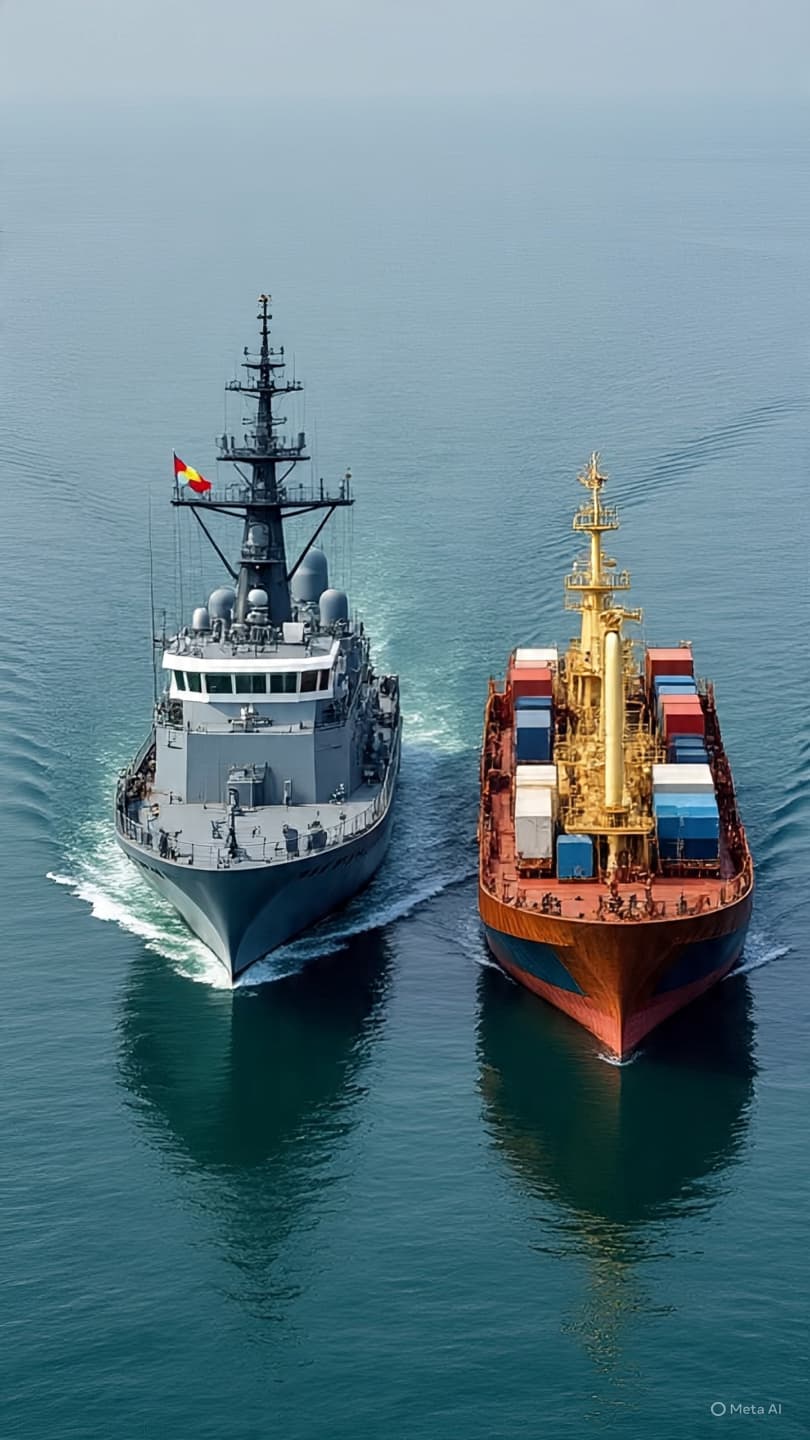
The proposed measures include increasing naval presence in the region, conducting joint patrols, and fostering closer cooperation with existing international missions. While these strategies are not new, their implementation is becoming more pressing. The goal is to deter potential threats and ensure that the flow of goods through the strait remains uninterrupted, thereby stabilizing global markets that rely on this passage.
Naval forces from various nations already operate in the region, maintaining a constant presence alongside civilian shipping traffic. Their role is multifaceted, encompassing both deterrence and rapid response to incidents. The overarching objective is to ensure that the strait remains open for commerce, which is vital for economies that depend on energy imports and exports.
For Europe, the implications of maritime security in the Strait of Hormuz extend beyond immediate concerns. The continent's energy imports are closely tied to the stability of these maritime routes. Any fluctuations in supply can have cascading effects on European economies, which are already grappling with various challenges. Thus, the focus is not only on responding to specific incidents but also on fostering a broader sense of reliability in a region characterized by unpredictability.
Diplomatic considerations are equally important in this context. Efforts to secure shipping lanes must navigate a complex landscape of regional politics, international law, and the delicate balance between military presence and diplomatic engagement. Each decision made by European leaders—whether to deploy additional naval assets or to engage in dialogue with regional powers—carries significant implications for both security and international relations.
As discussions among European nations progress, concrete measures are expected to be announced in the coming weeks. These may include expanded missions or new cooperative frameworks aimed at bolstering maritime security in the Strait of Hormuz. The overarching aim remains clear: to preserve the openness of this critical passage, which is essential for global trade and energy security.
In conclusion, the Strait of Hormuz stands as both a physical and symbolic representation of the complexities of global trade. The ongoing discussions among European nations reflect a shared understanding that maintaining stability in such vital corridors is an ongoing challenge that requires careful management and international cooperation.
Published by Banx Network. This article is part of the Banx decentralized media programme, powered by the BXE token on the XRP Ledger.



