
Key Highlights
- UK Prime Minister Keir Starmer emphasizes diplomatic approach amid Middle East tensions.
- The Strait of Hormuz is crucial for global oil shipments, making its security vital.
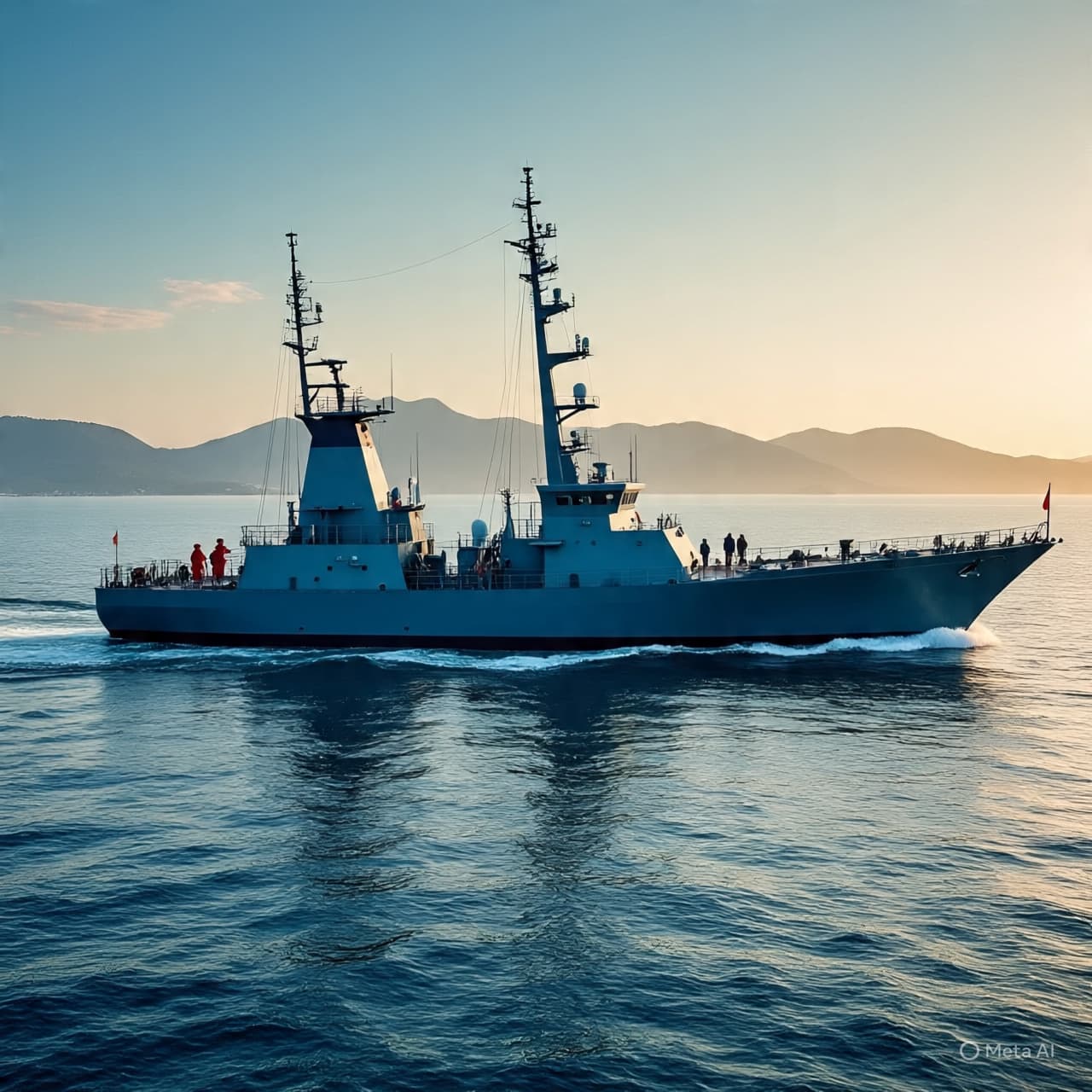
- Britain aims to maintain a naval presence without direct military involvement.
In the early hours, as dawn breaks over the Thames River, London awakens to its familiar rhythm. Buses traverse the iconic bridges, and the city stirs with the sounds of daily life. Yet, beyond this tranquil scene, significant geopolitical events are unfolding thousands of miles away, particularly in the Middle East, where tensions between Israel and Iran are escalating.
UK Prime Minister Keir Starmer has recently articulated a cautious stance regarding Britain's involvement in the ongoing conflict. In a statement reflecting the government's position, Starmer emphasized that the UK does not seek to engage in a broader regional war, despite the rising tensions. His remarks come as discussions with international allies focus on maintaining stability in the strategically significant Strait of Hormuz.
The Strait of Hormuz, a narrow waterway between Iran and the Arabian Peninsula, is a critical passage for global oil shipments. Approximately 20% of the world's oil supply traverses this strait daily, underscoring its importance in international trade. As tensions in the region escalate, the strait becomes a focal point for global attention, with nations closely monitoring the situation.
British officials have indicated that their current role will prioritize diplomatic coordination and maritime security rather than direct military engagement. The UK has a longstanding naval presence in the Gulf, where it collaborates with international coalitions to ensure the safe passage of commercial vessels. This approach aligns with Britain's historical commitment to maintaining stability in the region while avoiding direct confrontation.
The backdrop of these discussions is the intensifying conflict between Israel and Iran, marked by Israeli airstrikes targeting Iranian military infrastructure. This escalation has prompted a reevaluation of strategies among European nations and beyond, as they seek to navigate the complexities of the situation without exacerbating tensions further.
For the UK, this balancing act is not new. As a key ally of the United States and a member of NATO, Britain often finds itself intertwined with international military efforts. However, British leaders have consistently advocated for diplomacy and maritime security as essential tools for managing regional conflicts. The Strait of Hormuz, with its continuous flow of oil tankers, is central to this strategic calculus, as any disruption could have far-reaching implications for global energy markets and trade routes.
As life continues in London, with office workers sipping coffee and checking news updates, the realities of geopolitical tensions persist in the background. The juxtaposition of everyday life against the backdrop of international conflict highlights the delicate balance that governments must maintain. Starmer's statements suggest that the UK aims to uphold a careful distance from direct military involvement while contributing to the protection of vital shipping routes in the Strait of Hormuz.
In conclusion, as the Thames flows steadily and tankers navigate distant waters, the themes of diplomacy and caution remain at the forefront of Britain's response to the evolving situation. The coming days will be crucial in determining whether these measured approaches can effectively stabilize a region where the currents of conflict and commerce intersect.
Published by Banx Network. This article is part of the Banx decentralized media programme, powered by the BXE token on the XRP Ledger.



