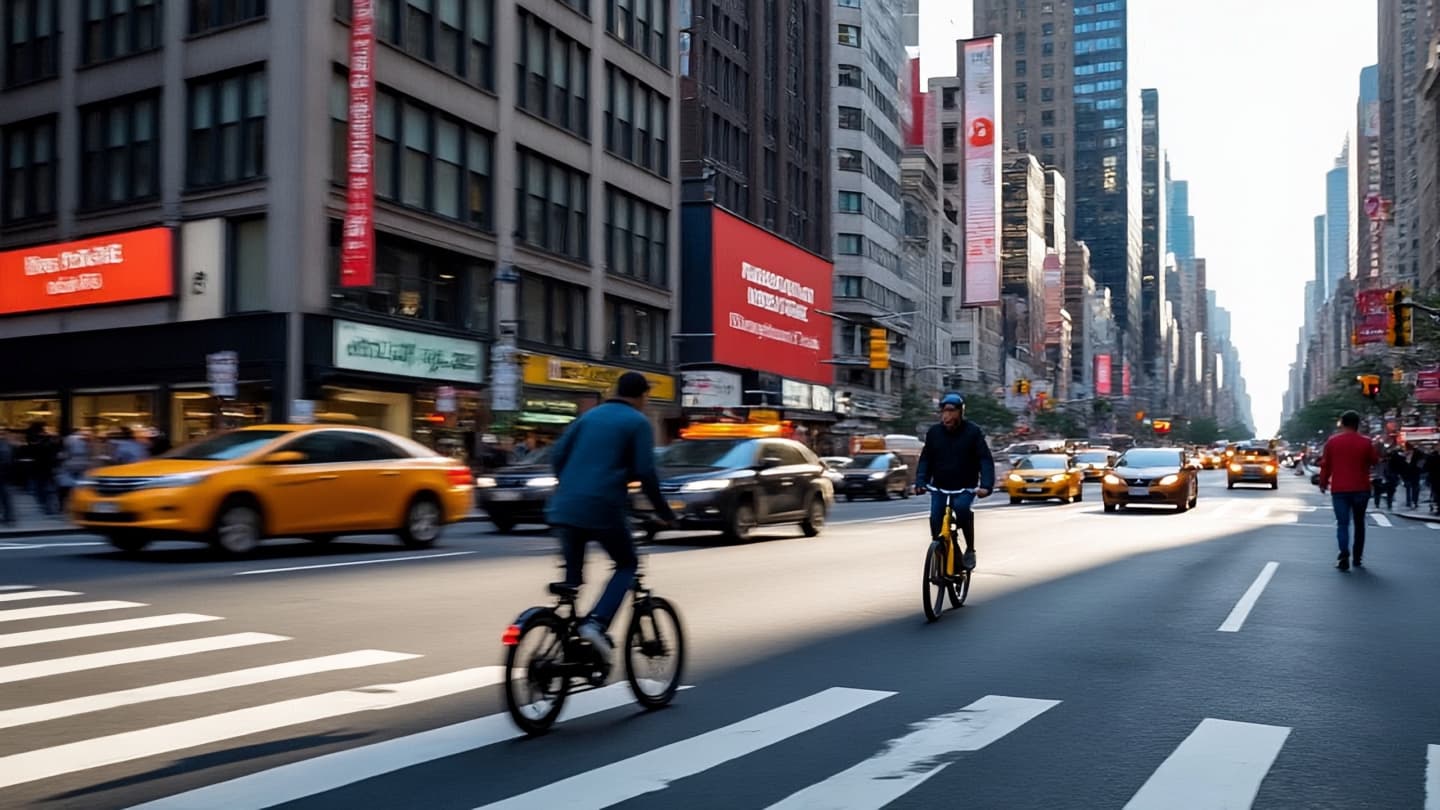
In the bustling ecosystem of New York City, where streets are shared by pedestrians, cyclists, and a growing fleet of electric vehicles, safety has become a central theme of urban governance. Mayor Zohran Mamdani has taken a firm stance against the proliferation of illegal e-bikes and scooters, sending cease-and-desist letters to dozens of major retailers, including Target and Amazon. This move reflects a broader effort to curb the sale of non-compliant devices that pose fire risks and traffic hazards, signaling a shift toward stricter enforcement of local safety standards.
The letters target retailers accused of selling motorized scooters and e-bikes that do not meet the city’s strict safety requirements, particularly those lacking UL certification. These certifications are designed to ensure that batteries and electrical components are safe for use, reducing the risk of fires that have plagued apartment buildings across the five boroughs. By holding large online and brick-and-mortar stores accountable, the administration aims to cut off the supply chain at its source.
For many New Yorkers, the presence of illegal e-bikes has been a source of both convenience and concern. While they offer an affordable mode of transport for delivery workers and commuters, their unregulated nature has led to accidents and hazardous conditions on sidewalks and in homes. The mayor’s action acknowledges this dual reality, seeking to protect public safety without entirely dismantling the mobility options that many residents rely on.
Retailers receiving the letters have been given a deadline to stop selling the prohibited items and to remove them from their inventories. Failure to comply could result in significant fines and legal action. This aggressive approach underscores the city’s determination to prioritize resident safety over commercial convenience, challenging some of the largest corporations in the world to adhere to local laws.
Critics argue that such measures may disproportionately affect low-income workers who depend on these vehicles for their livelihoods. They call for more supportive policies, such as subsidies for compliant bikes and better infrastructure, rather than just punitive actions against sellers. The debate highlights the complex interplay between regulation, equity, and urban mobility in a dense metropolitan area.
Supporters of the mayor’s initiative praise it as a necessary step to address a growing public health crisis. Fire departments have reported a surge in battery-related incidents, prompting urgent calls for action. By targeting the retailers, the city hopes to create a safer market environment where only certified, safe products are available to consumers.
Mayor Mamdani’s cease-and-desist campaign marks a significant chapter in New York’s ongoing effort to regulate micromobility. It balances the need for safety with the realities of urban transport, aiming to create a system that works for everyone. As retailers adjust their practices, the city continues to seek solutions that protect its residents while supporting sustainable mobility.
AI Image Disclaimer: The visual elements accompanying this report are AI-generated interpretations designed to reflect the urban and regulatory context of the story.
Sources: PIX11 Gothamist ABC7 NY
Published by Banx Network. This article is part of the Banx decentralized media programme, powered by the BXE token on the XRP Ledger.