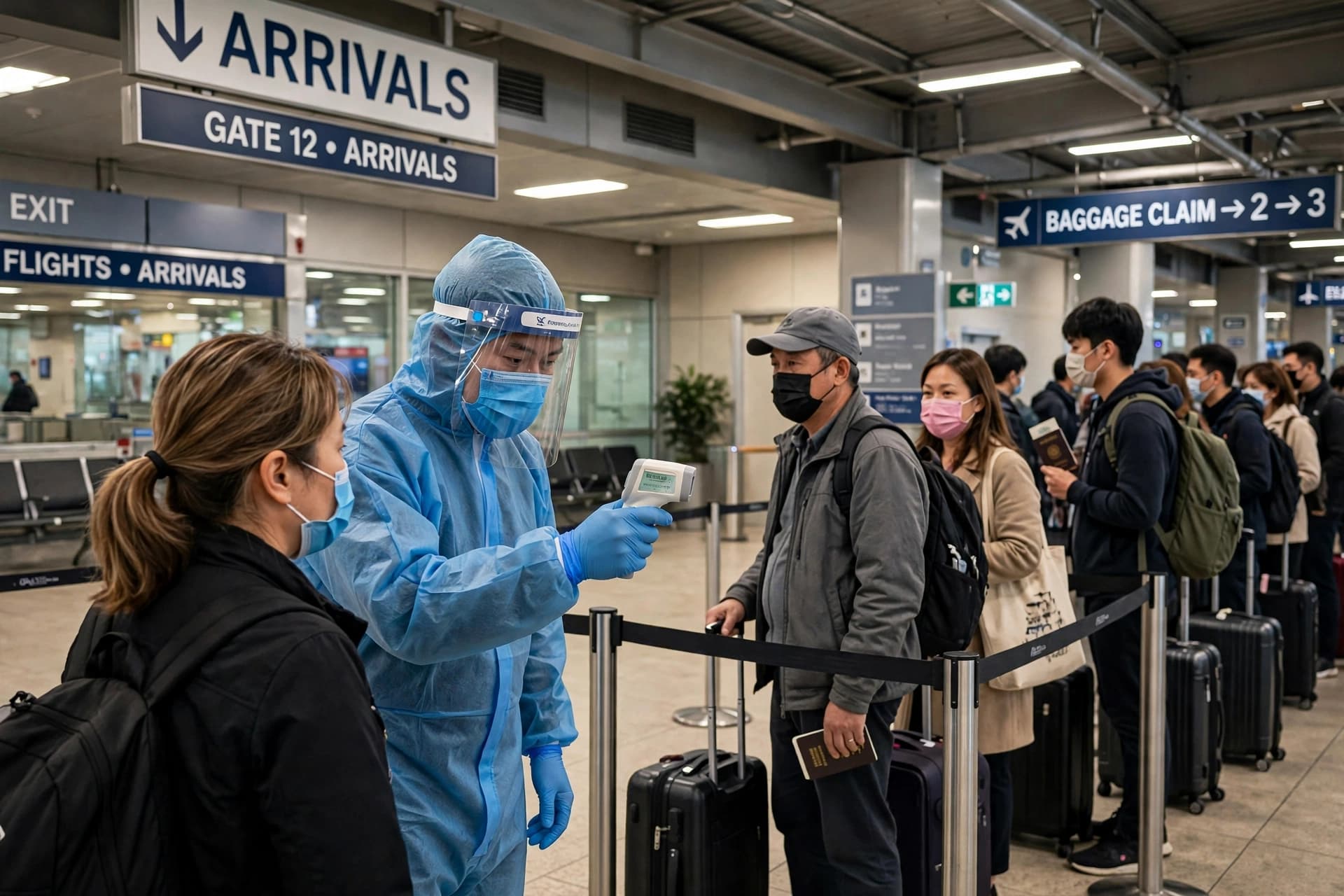
In a small corner of the Carolinas where forested hills slope toward quiet towns, a story has been unfolding almost unnoticed by many outside its state lines. It is a story told not in the clang of headlines but in the incremental rise of a number — an unassuming tally that, over the span of a week, has doubled. In places where school bells ring with familiar cadence and the cadence of everyday life persists, the tally of measles cases has climbed with surprising velocity, like shadows lengthening in winter light.
As of mid-January, health officials in South Carolina reported that confirmed cases of measles have surged from a few hundred to 434 and beyond, an increase of more than 200 new cases in just a matter of days. What began as an outbreak centered in Spartanburg County has radiated outward into classrooms, public spaces, and families, leading to hundreds of individuals now quarantined and dozens in isolation.
Measles, an airborne virus, is known for its contagiousness — lingering in the air long after an infected person has moved on, carried by the very breath and cough of community life. In South Carolina this year, that invisible quality has once again come to light. Public health leaders have described the outbreak as accelerating, an image that brings to mind a slow but steady rise that eventually outpaces expectation.
Among those counted are children and adults alike, clustered around school classrooms, neighborhood gatherings and everyday interactions. Officials report robust quarantine numbers, with hundreds of people instructed to stay apart from friends and neighbors as a precautionary step to contain spread.
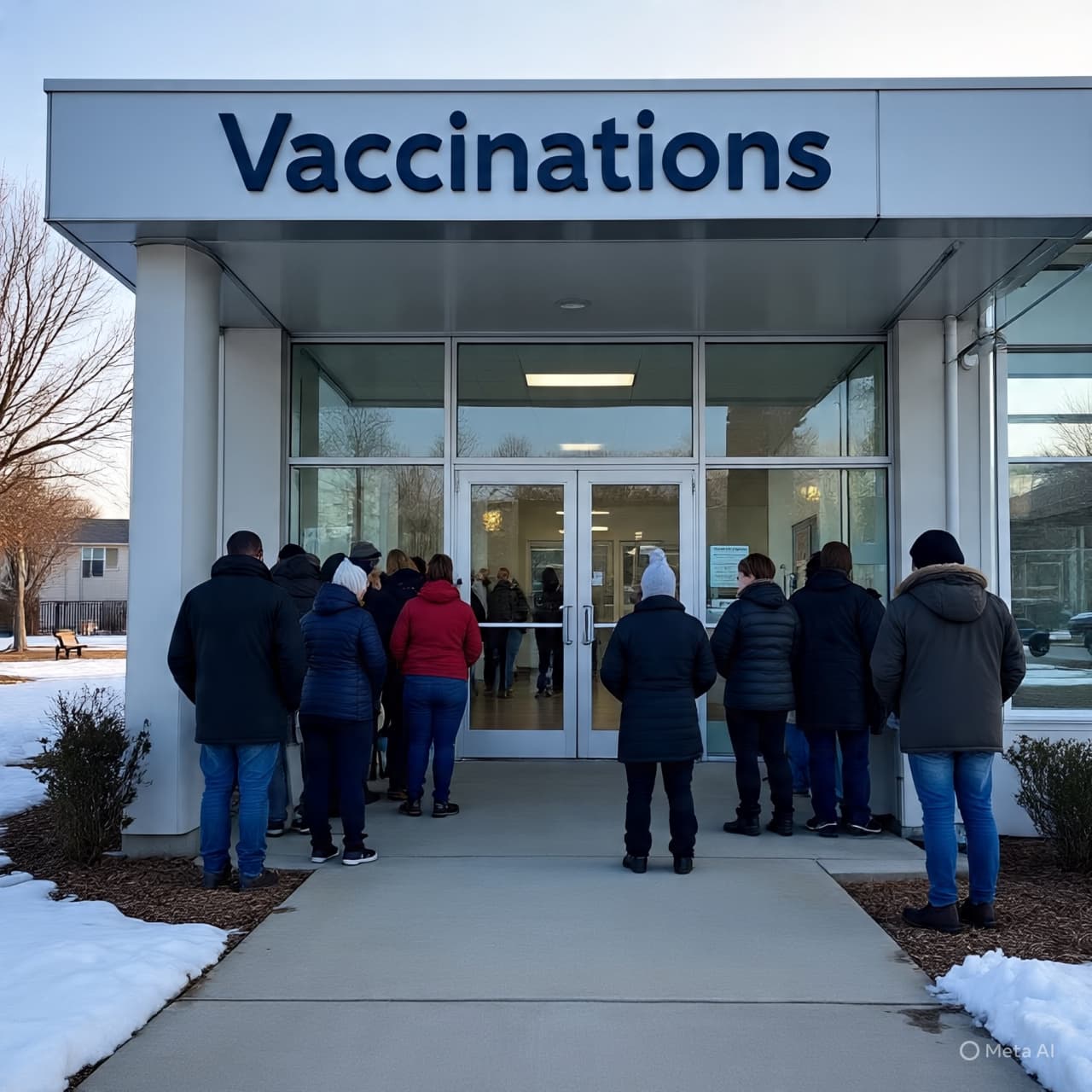
Vaccination remains the key message from health authorities. The widely used MMR (measles, mumps, rubella) vaccine is highly effective, yet coverage levels in certain communities have fallen below the threshold needed for broad protection. Recent data suggest that some districts hover well below the levels typically required to prevent outbreaks. Public health clinics and mobile units have been deployed to offer vaccinations, a gentle reminder of both the vulnerability and resilience of community health infrastructure.
In these narrative contours — the counts, the quarantines, the space between numbers and faces — there is an underlying truth: infectious diseases, though old, continue to weave through modern life, shaped by human movement, community choices, and the rhythms of local days. And in telling this story, it is not just about a number that doubled over a week, but about a collective experience that unfolds quietly within towns and homes.
As officials continue to update the public and provide resources for vaccination and prevention, the broader arc of responsibility — between individual health, community care, and informed public conversation — remains central to navigating the weeks ahead AI Image Disclaimer (Rotated) “Visuals are created with AI tools and are not real photographs.”
📌 Sources (Credible Media) Associated Press People WBTV Reuters ABC News NBC News
Published by Banx Network. This article is part of the Banx decentralized media programme, powered by the BXE token on the XRP Ledger.