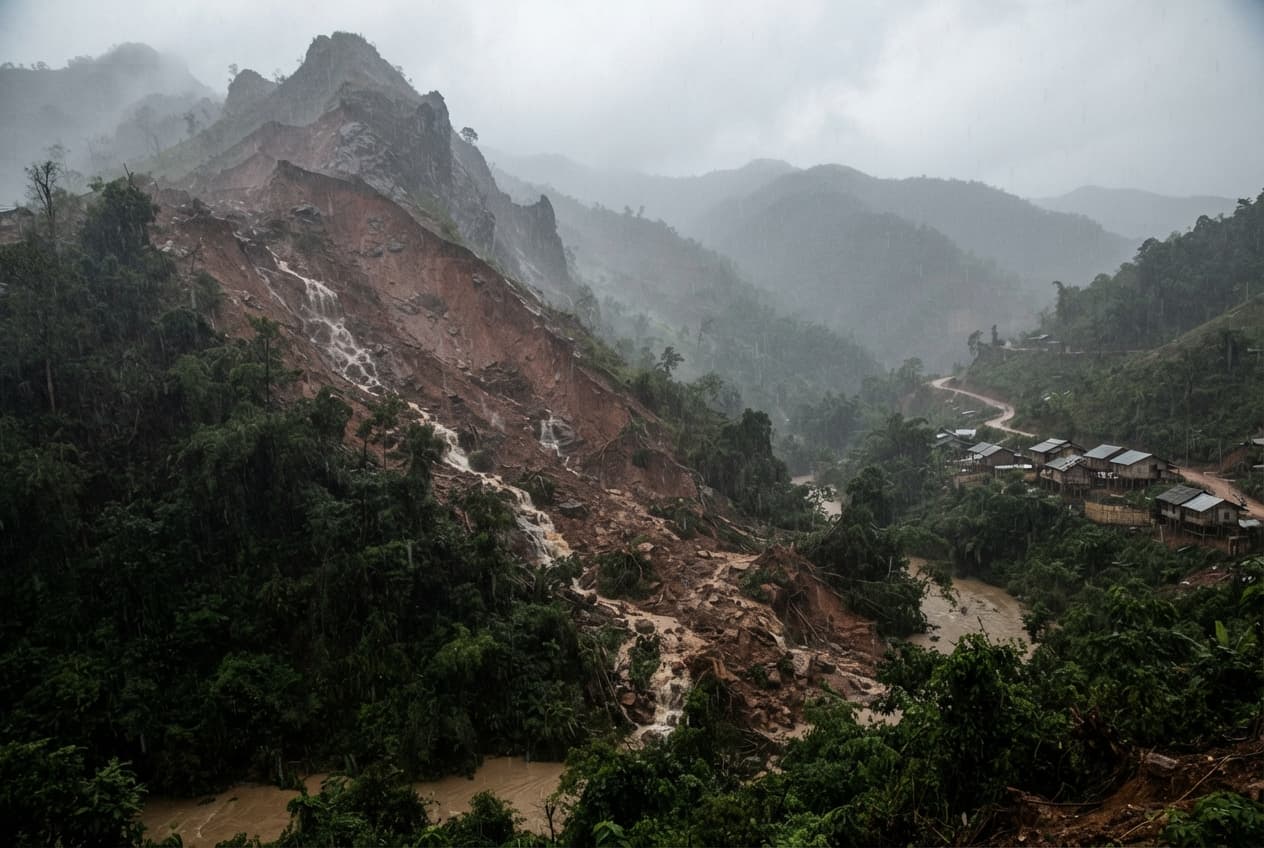
Shimla, India—A massive hillside gave way early Friday morning in a remote Himalayan district, burying several residential stone structures under thousands of tons of wet earth. Continuous monsoonal rainfall had saturated regional slopes over the preceding week, pushing geological stability past its absolute breaking point. Local administrators confirmed that eight villagers died instantly when the wall of mud and rock smashed through their sleeping quarters. Rescuers from the state disaster response force rushed to the remote valley, navigating treacherous washouts and active rockfalls. Heavy earth-moving equipment stalled miles away due to secondary road closures caused by multiple minor landslides blocking arterial routes.
Surviving villagers used hand shovels and iron bars to claw through dense red mud in desperate bids to locate trapped relatives before nightfall. Medical tents were hastily erected on a narrow ridge overlooking the disaster zone to treat the injured survivors pulled from the debris. District commissioners declared a total travel ban across vulnerable mountain passes as saturated hillsides continued shifting unpredictably. The state meteorological department reported that seasonal rainfall totals had exceeded historical averages by a wide margin, accelerating soil erosion. Power transmission towers snapped near the ridge line, severing electrical feeds to dozens of surrounding hamlets.
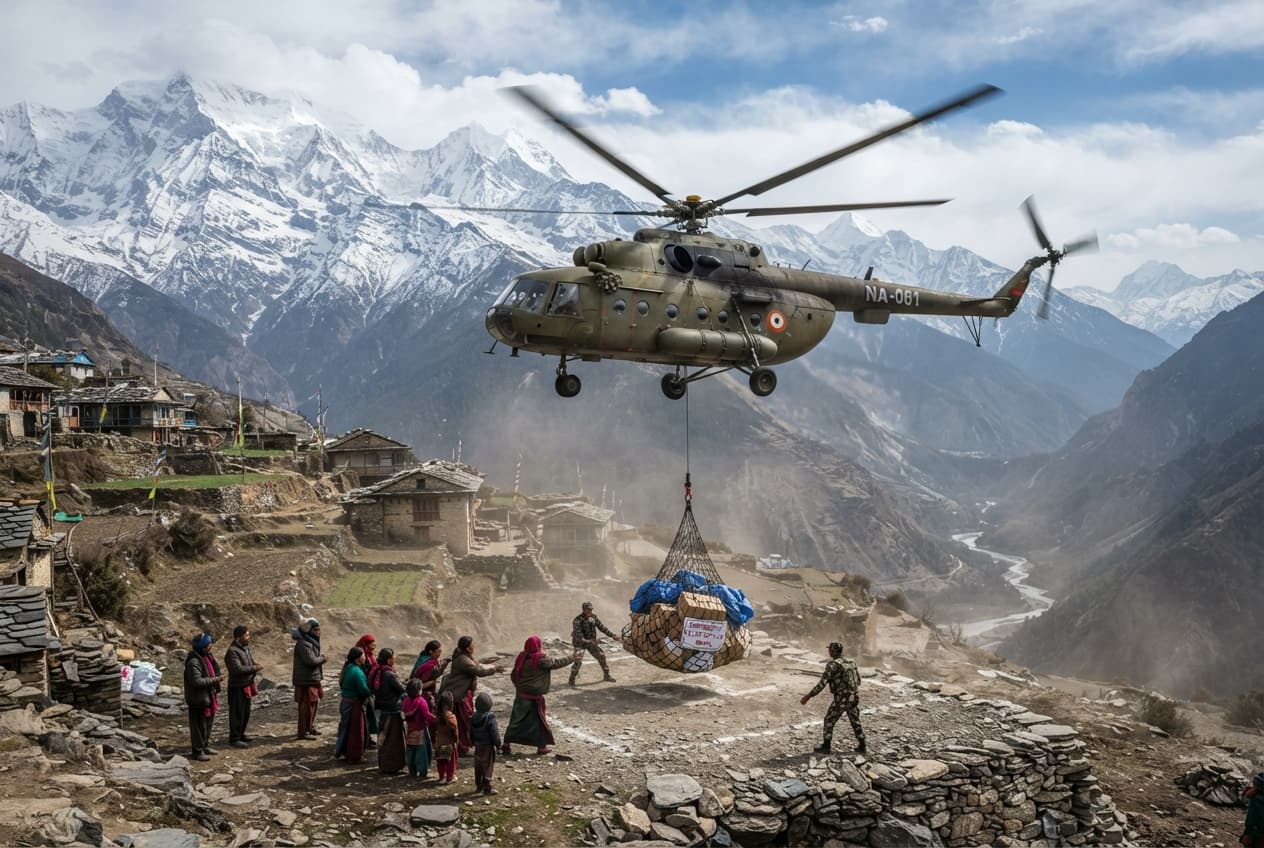
Relief supplies had to be airlifted by military helicopters because ground transport corridors remained entirely blocked by debris slides. Senior disaster management officials established an emergency command post near the impact zone to coordinate multi-agency excavation protocols. Families gathered near the perimeter fence, weeping silently as rescue personnel recovered bodies wrapped in heavy canvas sheets. Geological survey teams warned that further rainfall could trigger additional catastrophic slope failures across neighboring sub-divisions. Local farmers watched helplessly as acres of terraced agricultural land vanished beneath sliding torrents of mud.
Rescue operations slowed to a cautious crawl as darkness fell and unstable mudbanks threatened to slide further down the canyon. State ministers announced emergency financial compensation packages for families who lost members in the catastrophic morning slide. Heavy engineering units awaited dawn to resume clearing tons of debris choking the main valley river channel. Medical teams administered tetanus booster shots and psychological first aid to traumatized survivors huddled in relief camps. Emergency monitoring stations continued tracking rainfall telemetry across the northern Himalayan ranges as fresh storm clouds gathered overhead.
Published by Banx Network. This article is part of the Banx decentralized media programme, powered by the BXE token on the XRP Ledger.