Throughout history, humanity has looked toward mountains in search of perspective. From ancient observatories to modern telescopes, elevated landscapes have often provided clearer pathways to understanding the universe. New research suggests that parts of the Tibetan Plateau may offer another exceptional location for astronomical exploration.
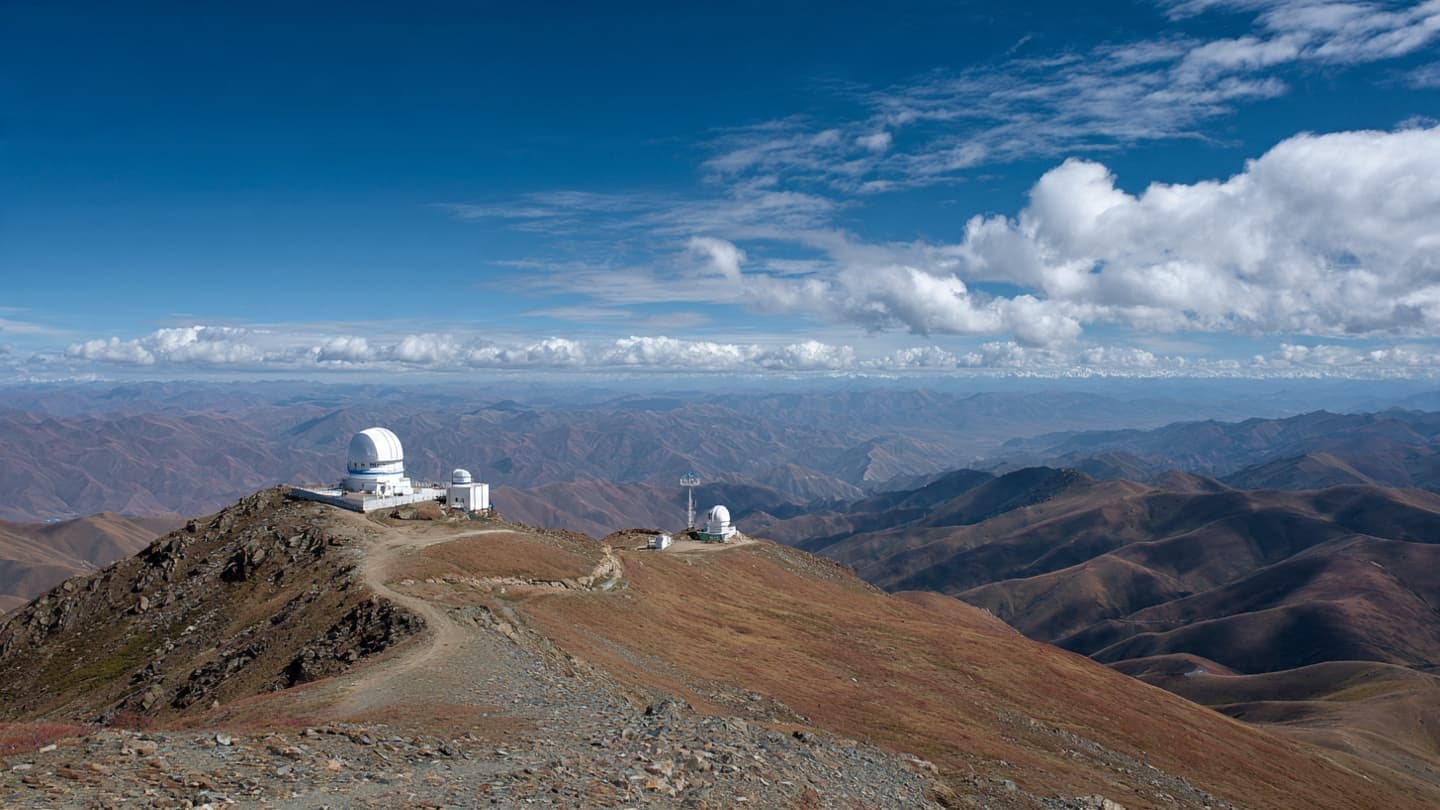
Recent scientific studies indicate that the Shigatse region on the Tibetan Plateau possesses atmospheric conditions highly favorable for astronomical observations. Researchers believe the area's altitude, low humidity, and stable atmosphere make it particularly attractive for future observatory development.
Astronomical observatories benefit greatly from dry, clear air. Water vapor in the atmosphere can interfere with observations, especially at infrared and submillimeter wavelengths. High-altitude locations help reduce these atmospheric effects.
Scientists conducted extensive assessments using meteorological data, satellite observations, and atmospheric modeling to evaluate the site's long-term suitability. Preliminary findings suggest that observing conditions in parts of Tibet may rival those at some established observatory sites worldwide.
Major observatories are often located in remote regions with minimal light pollution. The Tibetan Plateau's sparse population and geographic isolation provide important advantages for sensitive astronomical instruments.
Researchers also note that accessibility, infrastructure, and environmental considerations will influence any future development decisions. Building and maintaining advanced observatories in high-altitude environments presents significant logistical challenges.
International collaboration has become increasingly important in astronomy, and future projects at promising locations frequently involve partnerships among research institutions from multiple countries.
Although additional studies are needed before final decisions are made, the findings reinforce the Tibetan Plateau's growing reputation as a valuable location for astronomical research and future scientific investment.
AI Image Disclaimer: Images presented with this article are AI-generated illustrations intended to visually represent the scientific subject.
Sources: arXiv, atmospheric research studies, astronomy publications
Published by Banx Network. This article is part of the Banx decentralized media programme, powered by the BXE token on the XRP Ledger.