
Key Highlights
- Hezbollah issues a warning to President Aoun regarding potential talks with Israel.
- The group claims Aoun will face severe political consequences if he meets Netanyahu.
- Rising regional tensions complicate Lebanon's political landscape.
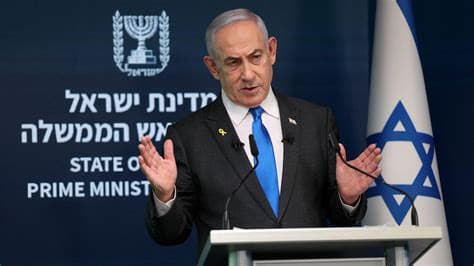
Hezbollah, the powerful Lebanon-based militant group, has issued a stark warning to President Michel Aoun regarding any potential diplomatic engagements with Israel. In a recent statement, Hezbollah cautioned that if Aoun were to proceed with a meeting with Israeli Prime Minister Benjamin Netanyahu, it would result in significant repercussions for his political standing. This warning reflects the sensitive nature of Lebanon's political dynamics, particularly concerning relationships with Israel.
The threat from Hezbollah underscores its long-standing position as a defender of Lebanese sovereignty against Israeli actions. The group views any perceived normalization of relations with Israel as a direct affront to its mission and its supporters. Hezbollah's influence in Lebanon is substantial, and it has consistently opposed any form of engagement with Israel, which it considers an enemy state.
The backdrop of this warning includes rising tensions in the region, with various factions vying for influence. As Hezbollah seeks to consolidate its power within Lebanon, Aoun's potential engagement with Netanyahu could be interpreted not just as a diplomatic move, but as a challenge to Hezbollah's authority. The group has historically positioned itself as a bulwark against Israeli incursions, and any shift in Lebanon's diplomatic stance could threaten its legitimacy.
Political analysts emphasize the critical choices facing Lebanon's leadership in light of this warning. The ramifications of any meeting between Aoun and Netanyahu could ripple through Lebanon's already fragile political environment, prompting further instability and conflict. The delicate balance of power in Lebanon is influenced by both internal and external pressures, making any diplomatic overture to Israel a contentious issue.
As the situation unfolds, the complexities involved in Lebanese-Israeli relations become increasingly apparent. The balancing act that Lebanon's leaders must perform is crucial to maintaining both national and political integrity amidst external pressures. Hezbollah's warning serves as a reminder of the stakes involved in any potential diplomatic engagement with Israel, highlighting the intricate web of alliances and enmities that define the region.
In conclusion, the threat from Hezbollah to President Aoun illustrates the precarious nature of Lebanon's political landscape. As leaders navigate these turbulent waters, the potential for conflict remains ever-present, underscoring the challenges of governance in a region marked by historical animosities and ongoing tensions.
Published by Banx Network. This article is part of the Banx decentralized media programme, powered by the BXE token on the XRP Ledger.



