
Key Highlights
- Over 15,000 enemy targets have been hit in the Iran conflict.
- The military's aggressive stance aims to neutralize perceived threats.
- International concerns about humanitarian implications are rising.
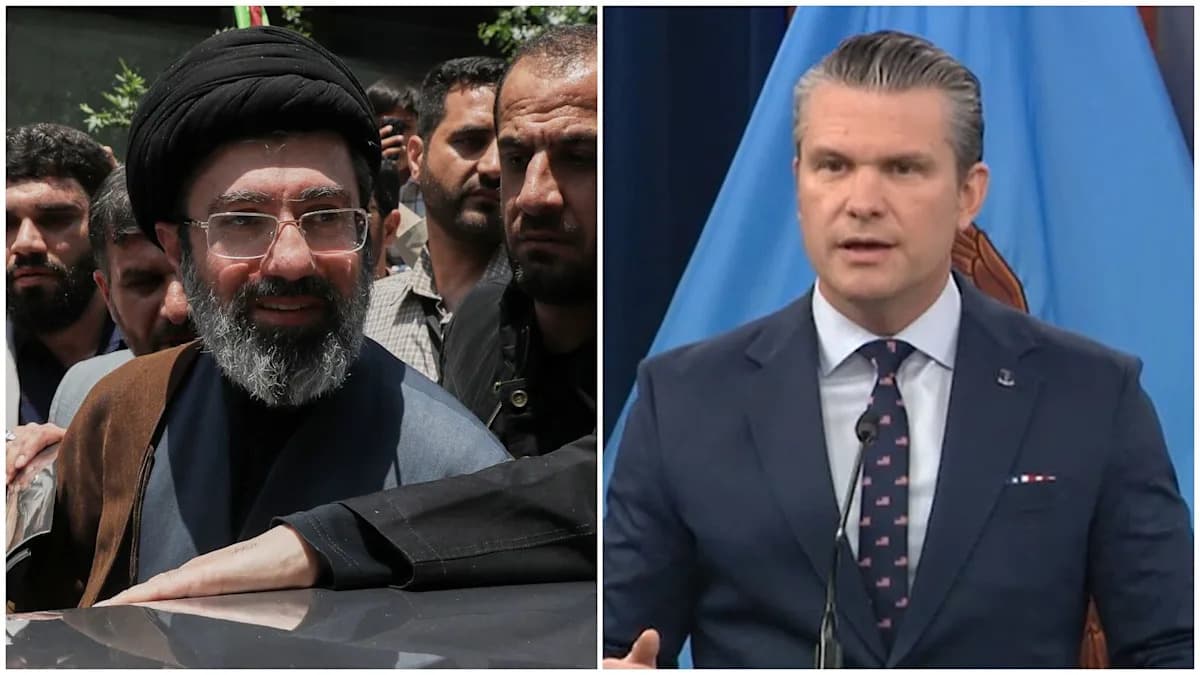
In a recent statement, military spokesperson Hesgeth reported that over 15,000 enemy targets have been targeted in the current conflict involving Iran. This figure highlights the significant scale of ongoing military operations and underscores the commitment to neutralizing threats perceived by the military. The announcement comes amid escalating tensions between Iran and its adversaries, prompting extensive military actions across various fronts.
Each targeted action signals a strategic approach aimed at disrupting enemy capabilities and operations. The military's aggressive stance reflects a broader strategy to achieve specific tactical objectives, which has been a hallmark of recent engagements in the region. However, such announcements often raise concerns internationally about the humanitarian implications of large-scale military engagements and the potential for civilian casualties.
As the conflict persists, the reporting of high target counts may impact public sentiment and perceptions of military effectiveness. The military's narrative emphasizes the necessity of these operations to ensure national security and regional stability. Yet, the implications of such extensive military actions are complex, as they can lead to increased scrutiny from international observers and human rights organizations.
The situation remains fluid, and the international community is closely monitoring developments to gauge the implications for regional stability and security. Analysts suggest that while the military's operations may achieve short-term tactical successes, the long-term strategy in dealing with regional adversaries remains a critical concern. The balance between military effectiveness and humanitarian considerations will likely shape future discussions on the conflict.
As the situation evolves, it is essential for military leaders to communicate transparently about the objectives and outcomes of their operations. This transparency can help mitigate concerns about civilian impacts and foster a more informed public discourse regarding the ongoing conflict. The military's commitment to addressing these concerns will be crucial in maintaining both domestic and international support as the conflict continues.
Published by Banx Network. This article is part of the Banx decentralized media programme, powered by the BXE token on the XRP Ledger.



