
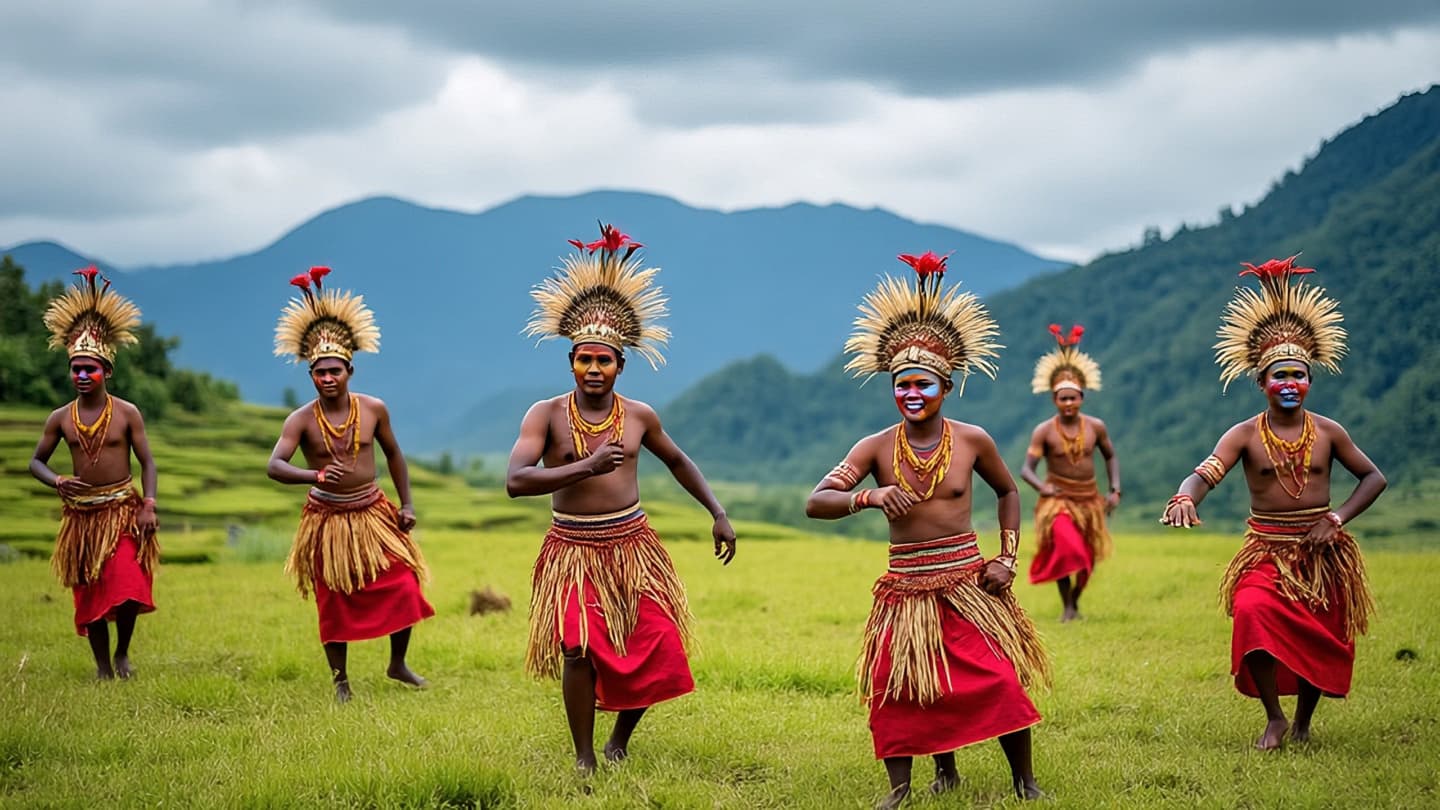
High in the mist-shrouded peaks of West Papua, time seems to move at a different pace, governed by the rhythms of nature and ancient tradition. Here, in the Baliem Valley, the annual cultural festival serves as a vibrant bridge between the past and the present. For three days in August 2026, the valley echoed with the sounds of traditional drums, chants, and the footsteps of dancers from the Dani, Lani, and Yali tribes. This gathering is more than a spectacle for visitors; it is a profound celebration of identity, resilience, and community. It invites the world to witness a culture that has thrived in isolation for millennia, offering a glimpse into a way of life that remains deeply connected to the land.
The festival, held in Wusilimo Village within the Jayawijaya Regency, draws thousands of spectators from across Indonesia and abroad. The air is thick with anticipation as warriors adorned in traditional attire—feathers, bone ornaments, and body paint—prepare for mock battles and ceremonial dances. These performances are not merely for entertainment but are rooted in historical rituals that honor ancestors and mark significant communal events. For the tribespeople, the festival is a chance to pass down knowledge to younger generations, ensuring that their heritage remains alive and vibrant.
For tourists, the experience is transformative. Traveling to this remote region requires effort, but the reward is an authentic encounter with one of the world’s most unique indigenous cultures. Visitors are welcomed with warmth and curiosity, invited to share in meals and stories. The exchange is mutual, with locals gaining economic benefits from tourism while sharing their pride in their traditions. This interaction fosters understanding and respect, breaking down stereotypes and building connections across cultural divides.
The economic impact of the festival is significant for the highland communities. Local artisans sell handmade crafts, such as woven bags and wooden carvings, providing a vital source of income. Hotels and guesthouses in Wamena fill up, supporting local businesses and employment. The influx of visitors also encourages infrastructure improvements, such as better roads and communication networks, which benefit residents year-round. Tourism, when managed responsibly, can be a powerful tool for development.
However, the festival also raises questions about the balance between preservation and commercialization. Organizers work diligently to ensure that the core values of the event remain intact, prioritizing cultural integrity over tourist demands. Guidelines are in place to protect sacred sites and respect tribal customs. The goal is to create a sustainable model where tourism supports rather than exploits the local culture. This careful approach ensures that the festival remains a genuine expression of Papuan identity.
The natural beauty of the Baliem Valley provides a stunning backdrop for the celebrations. Surrounded by towering mountains and lush greenery, the setting enhances the spiritual atmosphere of the event. The landscape itself is a character in the story, shaping the lives and traditions of its inhabitants. For many visitors, the combination of cultural richness and natural splendor creates an unforgettable experience.
The Baliem Valley Festival is a testament to the enduring spirit of Highland Papua’s indigenous peoples. By sharing their culture with the world, they not only preserve their heritage but also build bridges of understanding. As the drums fall silent and visitors depart, the valley returns to its quiet rhythm, holding within it the memories of a vibrant celebration.
AI Image Disclaimer: The visual elements accompanying this report are AI-generated interpretations designed to reflect the cultural and natural context of the story.
Sources: Antara News Baliem Valley Tour Guide Trek Papua
Published by Banx Network. This article is part of the Banx decentralized media programme, powered by the BXE token on the XRP Ledger.


