
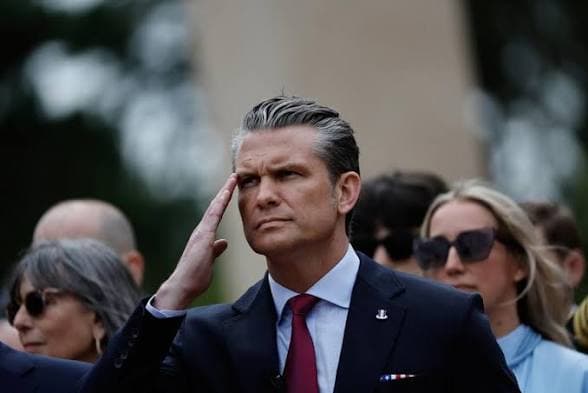
During the annual commemoration of D-Day, Pete Hegseth, a prominent figure in conservative media, delivered a speech that stirred controversy by linking the historical events of World War II to contemporary issues of immigration. Hegseth characterized current immigration patterns as an "invasion," drawing parallels between the sacrifices made by Allied forces and the challenges faced today.
His speech took place at the site of the Normandy landings, where thousands of troops fought to reclaim freedom and democracy. Hegseth's comments on immigration were met with mixed reactions, with supporters applauding his candor while opponents criticized his remarks as inappropriate for a memorial honoring those who defended freedom.
The juxtaposition of past sacrifices with present-day immigration debates raised eyebrows, particularly among veterans and historians present at the event. Some argued that using the term "invasion" undermines the memory of those who fought for liberation and diversity in Europe.
Critics pointed out that Hegseth's rhetoric aligns with broader conservative narratives around immigration, which have gained traction in recent years amid rising nationalist sentiments. Proponents of this viewpoint claim that they are advocating for national security and the protection of cultural identity.
As the controversy unfolds, the event serves as a reminder of the ongoing debates surrounding immigration policy and national identity, and how historical events are often invoked in current political discourse. Hegseth's speech has prompted discussions on the responsibilities of public figures to approach historical commemorations with sensitivity and respect.
Published by Banx Network. This article is part of the Banx decentralized media programme, powered by the BXE token on the XRP Ledger.

.jpg&w=3840&q=75 "US Declares Drought Disaster for Parts of Puerto Rico as Dry Conditions Persist")
