The skies above North America are changing, not just in color but in composition. A recent Yale-led study reveals that extreme weather events, such as scorching heat waves and severe cold snaps, are fundamentally altering the habitats of more than 500 bird species. These shifts are not merely temporary disruptions but long-term transformations that are redefining the geographic ranges of our avian neighbors.
For decades, scientists have tracked bird migrations in response to gradual climate change. However, the new research highlights the disproportionate impact of sudden, extreme weather. A single intense heat wave can render a breeding ground uninhabitable, while a unexpected cold snap can decimate populations ill-equipped to survive the freeze. These events act as powerful filters, determining which species can persist in specific regions and which must move or face decline.
The Great Plains and southwestern United States are identified as hotspots for these changes. In these areas, species ranges are often overestimated when models ignore extreme weather variability. When these factors are included, the picture becomes starkly different: many birds are being pushed out of their traditional territories, seeking refuge in cooler or more stable climates. This redistribution affects biodiversity estimates and conservation planning.
Birds serve as sensitive indicators of environmental health, and their shifting ranges signal broader ecological disruptions. As they move, they leave behind roles in seed dispersal, pest control, and pollination, creating gaps in ecosystem functions. Conversely, their arrival in new areas can introduce competition for resources, affecting resident species and altering local ecological balances.
Conservationists are urged to adapt their strategies to account for this dynamic reality. Protected areas designed for historical ranges may no longer be effective if the species they were meant to safeguard have moved elsewhere. Flexible conservation corridors and habitat restoration efforts that consider future climate scenarios are becoming essential tools for preserving avian diversity.
The study also underscores the importance of citizen science. Data collected by birdwatchers through platforms like eBird provide the granular, real-time information needed to track these rapid changes. This collective effort allows scientists to validate models and identify emerging trends, fostering a collaborative approach to understanding and mitigating climate impacts.
Public awareness plays a crucial role in supporting these efforts. By recognizing the link between extreme weather and bird populations, communities can advocate for policies that address climate change and protect natural habitats. Simple actions, such as planting native vegetation and reducing pesticide use, can help create resilient spaces for birds in transition.
As the climate continues to evolve, so too must our understanding of nature’s resilience. The story of North America’s birds is one of adaptation and survival, but it is also a call to action. By protecting their habitats and addressing the root causes of extreme weather, we can ensure that the skies remain filled with song for generations to come.
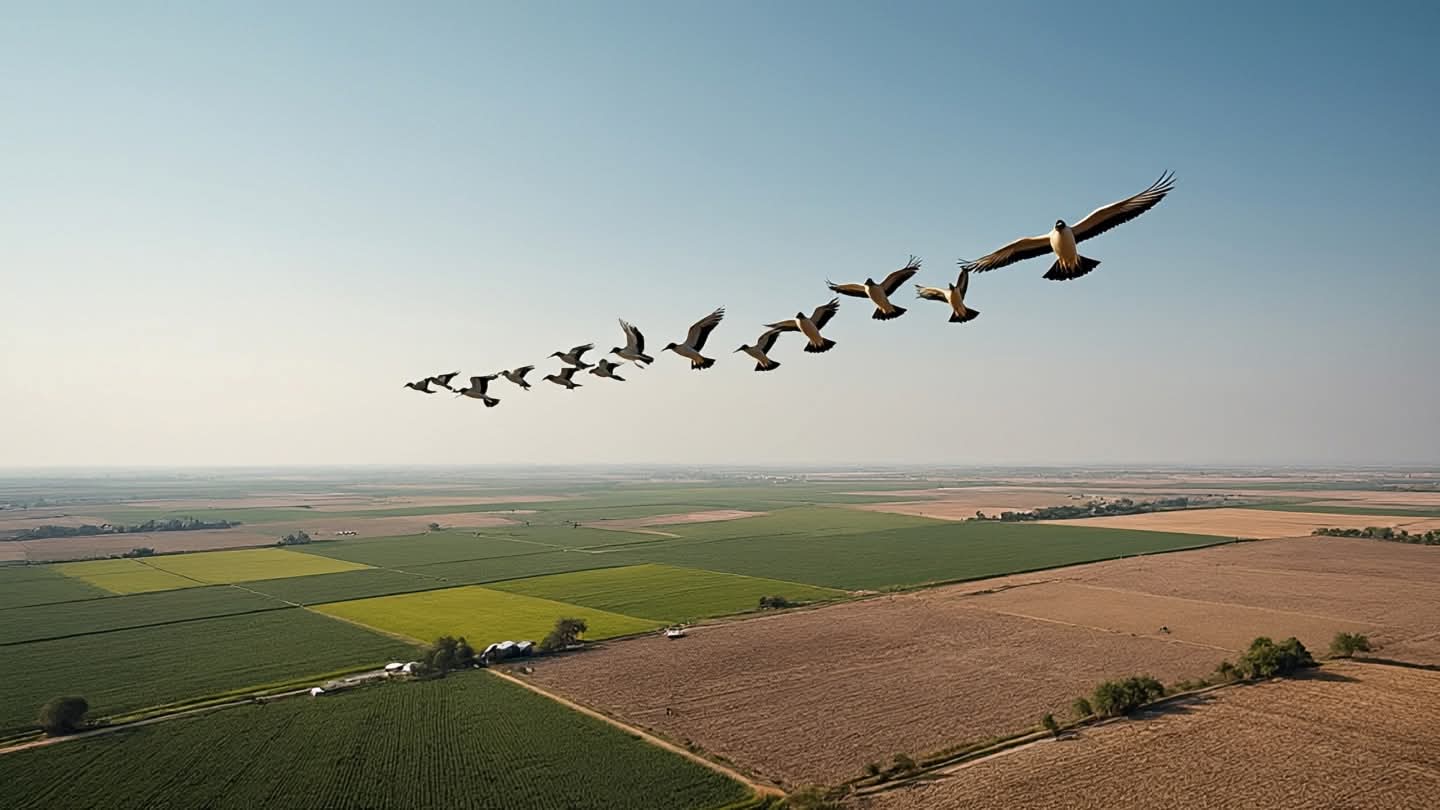
AI Image Disclaimer: The visuals in this article are AI-generated illustrations of North American landscapes and bird species, intended to evoke the beauty and fragility of nature.
Sources: Yale News, Audubon Society, The Cool Down, Phys.org
Published by Banx Network. This article is part of the Banx decentralized media programme, powered by the BXE token on the XRP Ledger.