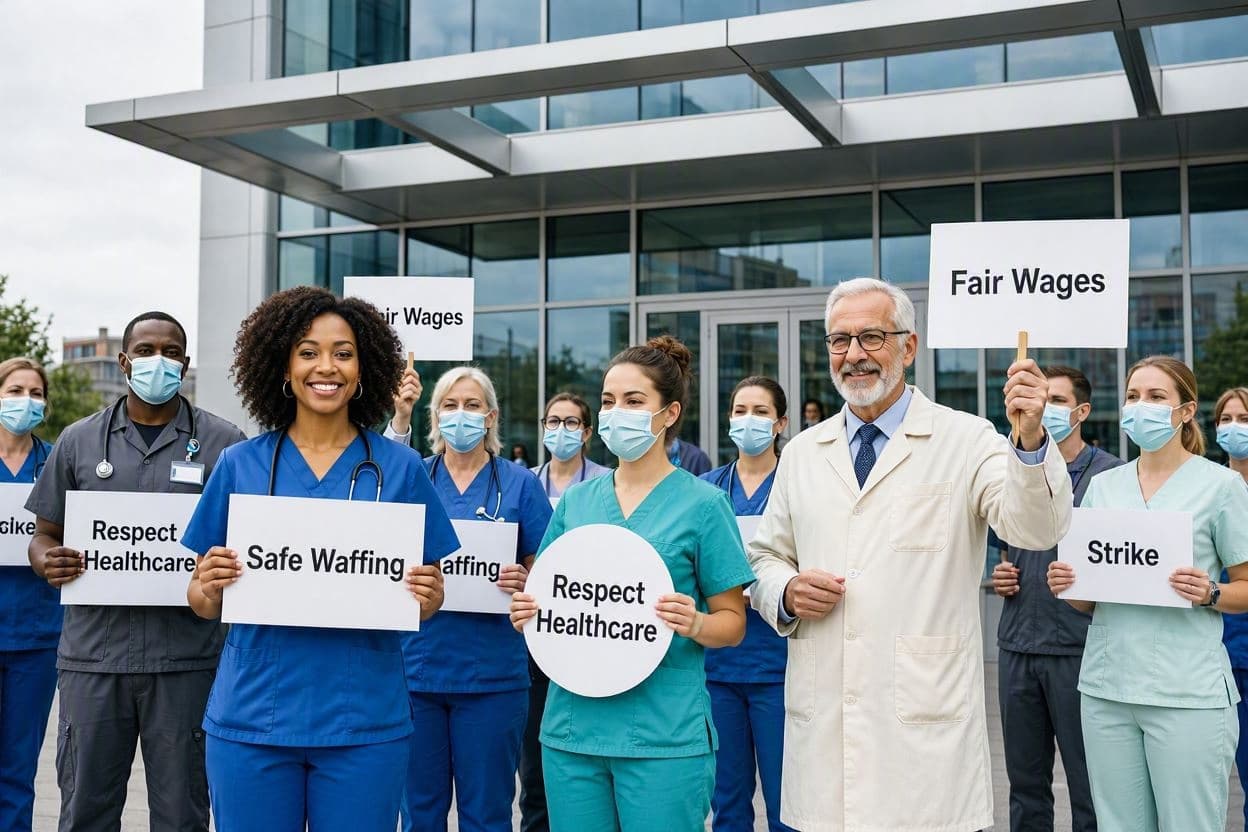
In the quiet, sterile corridors of medical laboratories, a vital but often unseen workforce ensures the health of the community. These technicians and support staff are the silent guardians of diagnosis, processing the samples that guide critical medical decisions. In Manitoba, however, this silence has been replaced by the picket line as Dynacare lab workers have gone on strike. The impasse in contract negotiations, primarily centered on wages, highlights the growing tension between the essential nature of healthcare work and the economic pressures facing both employees and employers. This disruption invites us to reflect on the value we place on those who keep our healthcare system functioning behind the scenes.
The strike action follows months of negotiation between the union representing the workers and Dynacare management. Despite numerous rounds of discussion, the two sides have been unable to reach an agreement on wage increases that workers argue are necessary to keep pace with inflation and the rising cost of living. For the employees, the issue is not just about numbers on a paycheck; it is about recognition of their skill, dedication, and the critical role they play in patient care. They seek compensation that reflects the responsibility and precision required in their daily tasks.
For patients and healthcare providers, the strike introduces uncertainty into an already strained system. While emergency services remain operational, routine testing may face delays, potentially impacting diagnosis and treatment timelines. This ripple effect underscores the interconnectedness of the healthcare ecosystem. When one component falters, the entire structure feels the strain. It is a reminder that healthcare is not just about doctors and nurses, but a vast network of professionals who must all be supported to function effectively.
Dynacare has stated its commitment to reaching a fair resolution while maintaining service levels. The company faces its own financial constraints and market pressures, which complicate the ability to meet union demands fully. Balancing fiscal sustainability with fair labor practices is a delicate act, requiring compromise from both sides. The current stalemate suggests that finding this balance has proven more difficult than anticipated, leading to the current industrial action.
The union emphasizes that the workers are prepared for a prolonged dispute if necessary, driven by a strong sense of solidarity. Strike votes were overwhelmingly in favor of action, indicating a unified front among the staff. This unity provides leverage in negotiations but also means that the resolve to return to work without a satisfactory deal is low. The emotional toll on workers who are forced to choose between their livelihoods and their professional duties is significant.
Community reaction has been mixed, with sympathy for the workers’ plight tempered by concern for healthcare access. Many residents understand the need for fair wages, especially in essential sectors, but worry about the immediate impact on their health needs. Public discourse has turned toward the broader issue of funding and valuation of allied health professions. It raises questions about how society prioritizes healthcare spending and whether support staff are adequately compensated for their contributions.
Mediators may be called upon to help bridge the gap between the parties, offering neutral ground for further discussion. The hope is that third-party intervention can break the deadlock and facilitate a mutually acceptable agreement. History shows that such interventions can be effective when both sides are willing to listen and adjust their expectations. The goal remains a return to normalcy that respects the dignity and needs of the workers.
As the strike continues, the focus remains on resolving the core issues of wage disparity and working conditions. The outcome will set a precedent for other laboratory and healthcare support sectors in the province. It is a pivotal moment for labor relations in Manitoba’s healthcare industry, with implications that extend beyond the immediate dispute. The resolution will shape the future of work in this critical field.
The strike by Dynacare lab workers in Manitoba highlights the urgent need for fair compensation in essential healthcare roles. It calls for renewed dialogue and compromise to restore services. Let us hope for a swift and equitable resolution.
AI Image Disclaimer: Please note that any visual representations in this article are AI-generated illustrations created for conceptual clarity.
Sources: CBC News Manitoba CTV News Winnipeg Global News
Published by Banx Network. This article is part of the Banx decentralized media programme, powered by the BXE token on the XRP Ledger.