
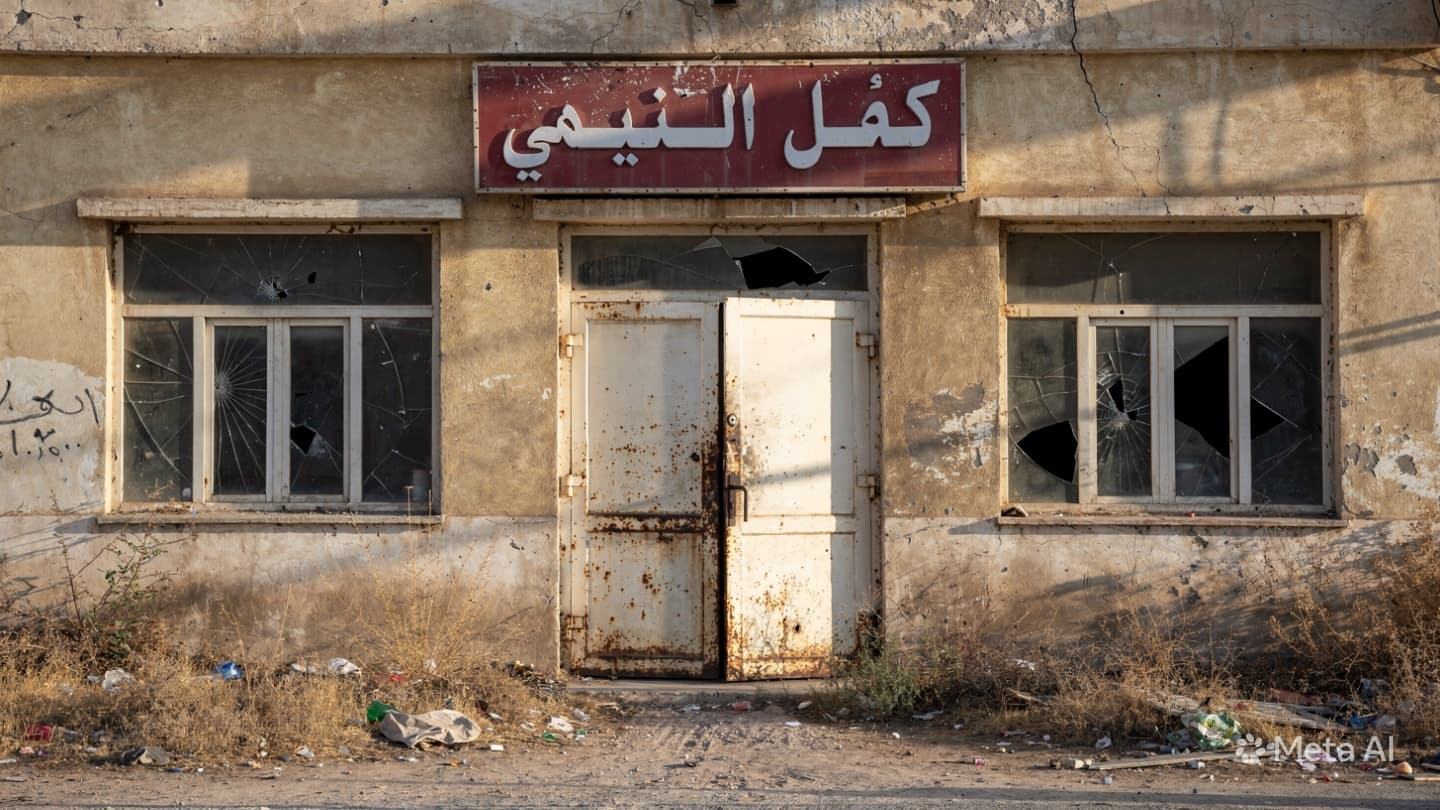
Key Highlights
- Closure of 49 health centers:Military orders have forced the shutdown of 49 primary health centers in Lebanon.
- Impact on civilians:Thousands of civilians are now without access to essential medical care.
- Escalating health crisis:The situation is described as a significant blow to the public health system, with dire consequences expected.
Beirut, Lebanon—The medical infrastructure in Lebanon is facing a catastrophic collapse as forty-nine primary health centers have been shuttered following military evacuation orders in their surrounding areas. This alarming development is cutting off life-saving care for thousands of civilians who rely on these facilities for essential health services.
The closure of these centers is not merely a temporary setback; they served as critical points of contact for chronic disease management, maternal care, and emergency stabilization. With these facilities now closed, the remaining hospitals are overwhelmed with patients who have nowhere else to turn for medical assistance. The sudden influx of patients is straining an already fragile healthcare system, which is struggling to cope with the demands of the ongoing conflict.
Medical personnel have been forced to evacuate alongside the populations they serve, leading to the rapid shuttering of clinics. Many of these centers were closed within hours of the evacuation orders, leaving no time for the safe transfer of medical records or essential equipment. This chaotic situation has left many patients without access to their ongoing treatments, exacerbating an already critical health crisis.
International organizations have condemned the situation, describing it as a devastating blow to Lebanon's public health system. Patients who require daily medication or ongoing treatment are now left to fend for themselves, with no alternative healthcare network prepared to absorb the volume of displaced patients. The areas affected by the evacuation orders have effectively become medical deserts, where access to healthcare is nearly impossible.
Ambulances are struggling to navigate these zones due to the active nature of the conflict, further complicating the delivery of care. Health officials are warning that the death toll from indirect causes, such as untreated medical conditions, may soon surpass those from direct injuries sustained in the conflict. When primary care collapses, even minor health issues can become fatal, leading to a long-term deterioration in the health of the population.
Currently, there is no coordination between military forces and the health sector regarding the protection of these vital facilities. The health centers remain empty, their doors locked, and the staff scattered. As the situation stands, nothing is being done to reopen these essential centers, leaving the population in a precarious state.
The status of the healthcare system remains critical, with military operations continuing to expand and more evacuation orders anticipated in the coming days. As the health system teeters on the brink of total failure, the prospect of further closures looms large, threatening to deepen the humanitarian crisis in Lebanon.
Published by Banx Network. This article is part of the Banx decentralized media programme, powered by the BXE token on the XRP Ledger.



