
Key Highlights
- Wearable health devices are transforming personal healthcare.
- Continuous monitoring enhances preventive care strategies.
- Consumer demand for health technology is on the rise.
Wearable health devices are revolutionizing the way individuals monitor their health, marking a significant shift in personal healthcare. These devices, which include smartwatches and fitness trackers, have evolved from simple activity monitors to sophisticated tools capable of tracking a wide range of health metrics. This transformation is not just about convenience; it represents a broader trend towards personalized healthcare, where individuals take an active role in managing their well-being.
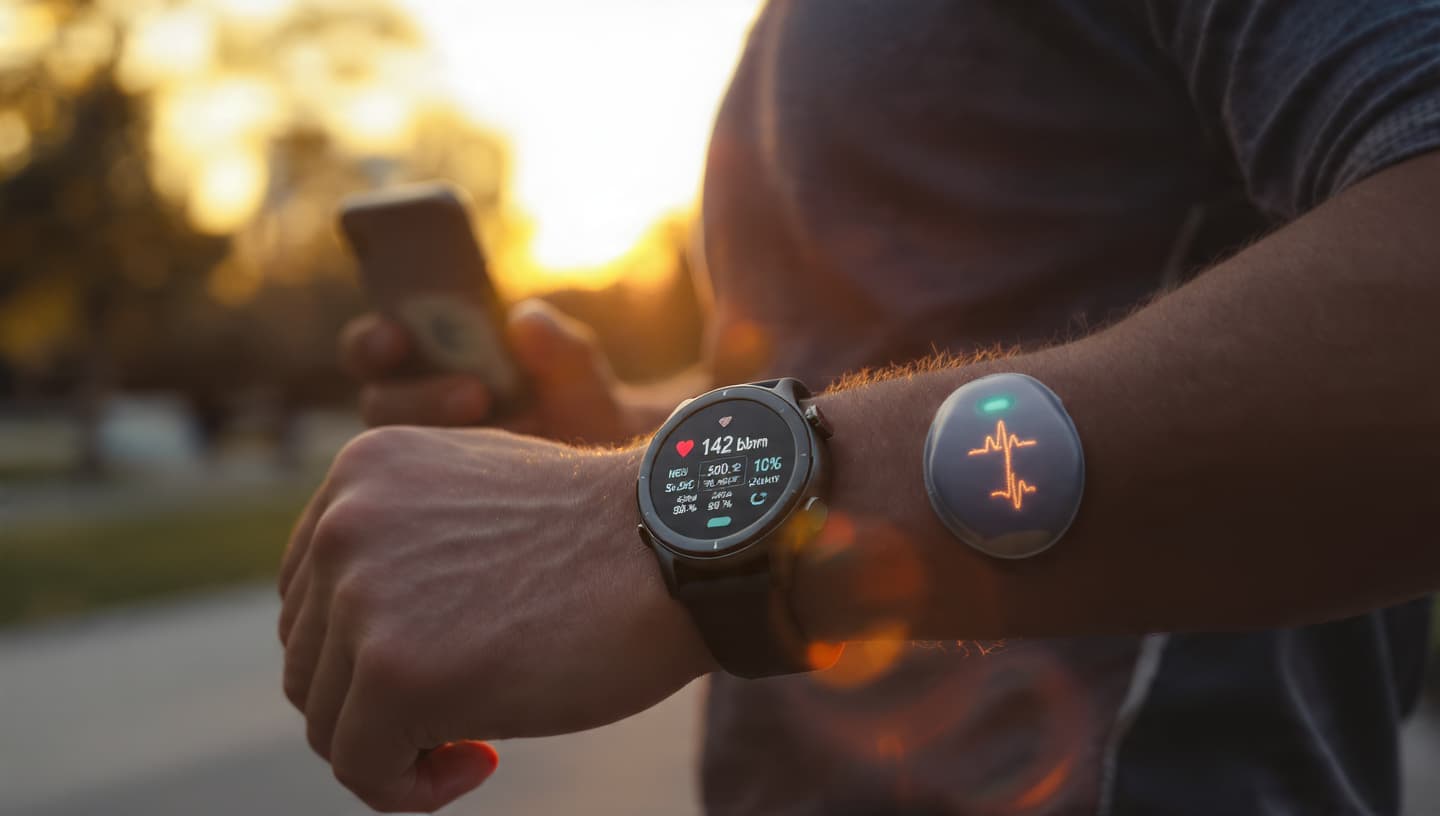
Modern wearable technology can track various health indicators, including physical activity, sleep patterns, heart rate, and even stress levels. This continuous data collection allows users to gain insights into their daily habits and behaviors, empowering them to make informed decisions about their health. The ability to monitor these metrics seamlessly throughout the day enhances user engagement and encourages healthier lifestyle choices.
Healthcare providers are increasingly recognizing the value of data collected from wearable devices. This information can support preventive care strategies, enabling healthcare professionals to tailor their recommendations based on individual patient data. For instance, a patient with a history of heart issues may benefit from real-time heart rate monitoring, allowing for timely interventions if irregularities are detected.
Research into the potential applications of wearable technology is ongoing. Studies are exploring how these devices can aid in early detection of health issues, manage chronic diseases, and contribute to population health initiatives. The integration of artificial intelligence and advanced analytics into these platforms is further enhancing their capabilities. By identifying trends and generating personalized insights, these technologies can provide users with actionable recommendations tailored to their unique health profiles.
Consumer interest in wellness and preventive healthcare continues to grow, driving demand for innovative features in wearable devices. Manufacturers are responding by expanding device functionalities, such as incorporating advanced sensors and improving user interfaces. This trend indicates a shift towards a more health-conscious society, where individuals are equipped with the tools to take charge of their health.
However, as the adoption of wearable technology increases, so do concerns regarding privacy and data security. Companies developing these devices are investing in robust safeguards to protect user information and maintain consumer trust. Transparency about data usage and security measures is crucial for fostering confidence among users.
As wearable health devices become more sophisticated, they are paving the way for a future where health information is not only accessible but also actionable. By integrating health monitoring into daily life, these technologies are contributing to a proactive approach to wellness and informed healthcare decisions, ultimately leading to better health outcomes for individuals.
AI Image Disclaimer Illustrations were produced with AI and serve as conceptual depictions.
Published by Banx Network. This article is part of the Banx decentralized media programme, powered by the BXE token on the XRP Ledger.



