
Key Highlights
- Death Toll:Fatalities from a rare Ebola strain are rising in Bunia, Ituri Province.
- Health System Strain:Local hospitals are overwhelmed with patients exhibiting severe symptoms.
- Containment Challenges:Efforts to control the outbreak are hampered by distrust and logistical issues.
Bunia, Democratic Republic of Congo—The Ituri Province is facing a dire health emergency as the death toll from a rare and aggressive strain of the Ebola virus continues to rise. Local hospitals are overwhelmed, struggling to manage the influx of patients presenting with symptoms of hemorrhagic fever. Reports indicate that many individuals are succumbing to the virus in their homes, unable to receive timely medical intervention.
Containment efforts are faltering as the virus spreads rapidly, catching provincial authorities off guard. Health workers are racing against time to track contacts of infected individuals, but the challenging terrain and ongoing regional insecurity have severely disrupted supply chains for essential medical equipment. Protective gear and other critical supplies remain stranded in warehouses, miles away from the outbreak's epicenter.
Field reports highlight the unusually severe clinical presentation of this Ebola strain. Patients are experiencing rapid organ failure within days of the onset of fever, drastically reducing the window for effective medical intervention. The situation is exacerbated by a pervasive atmosphere of fear in Bunia, where families are concealing sick relatives out of desperation and distrust of quarantine protocols. This behavior is complicating the efforts of surveillance teams, making it increasingly difficult to conduct safe and effective monitoring.
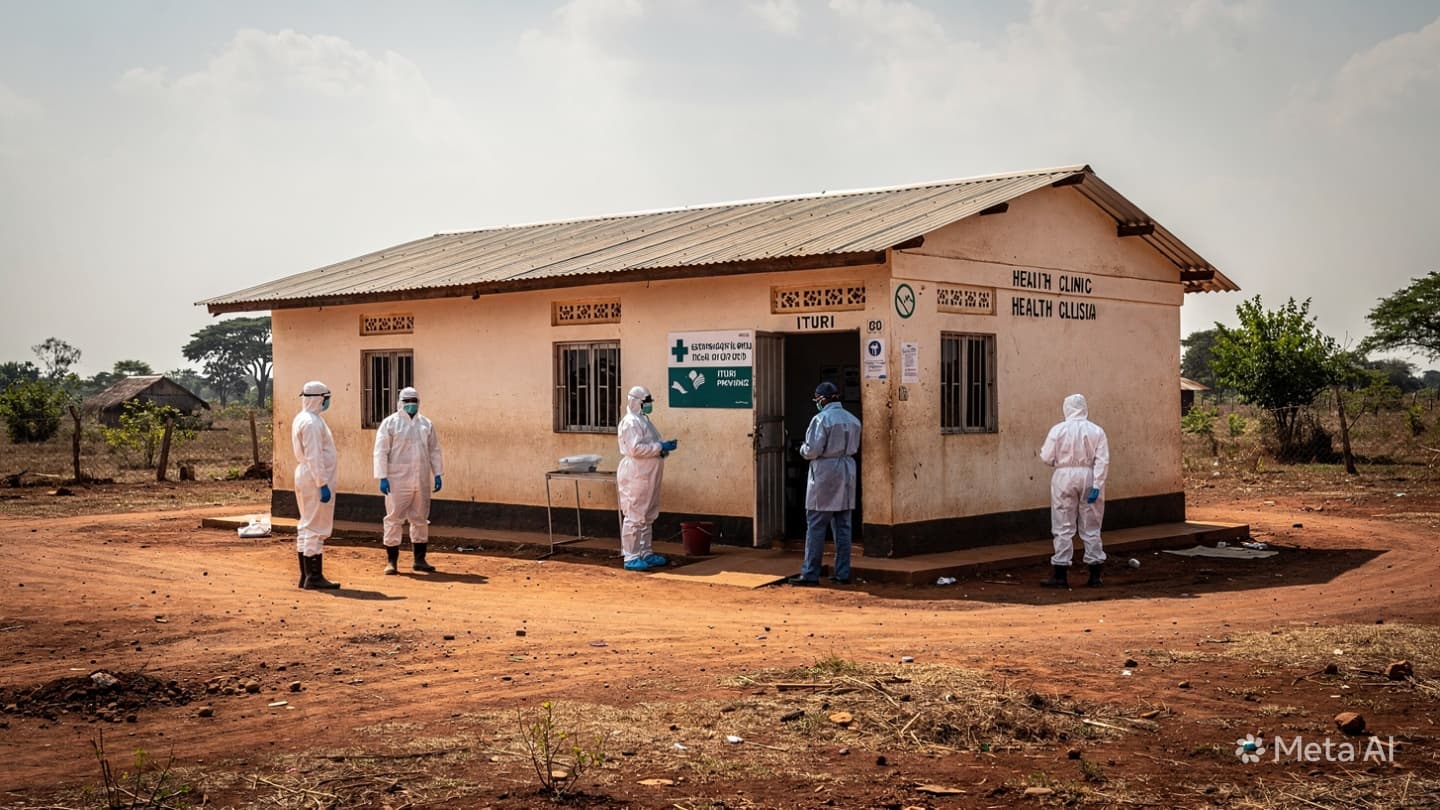
Local clinics are ill-equipped to handle the outbreak, lacking the high-level isolation units necessary to treat patients without endangering healthcare staff. Many facilities have closed their doors to avoid becoming centers of mass infection, leaving the remaining population without access to emergency care. The absence of adequate medical infrastructure is a critical factor in the escalating crisis.
International observers are expressing grave concerns regarding the trajectory of the outbreak. Current epidemiological models suggest that the death rate will continue to rise unless stringent quarantine measures are implemented immediately. The urgency of the situation is underscored by the fact that the window for effective action is narrowing by the hour, with no clear timeline for when additional resources or reinforcements will arrive in the affected areas.
As the crisis unfolds, the regional infrastructure is under immense strain, struggling to keep pace with the rapid spread of the virus. The situation in Bunia remains fluid and unresolved, with health officials and international agencies closely monitoring developments as they seek to contain this deadly outbreak.
Published by Banx Network. This article is part of the Banx decentralized media programme, powered by the BXE token on the XRP Ledger.



