
Key Highlights
- Rising Death Toll:Somalia reports increasing fatalities due to cholera and measles outbreaks.
- Healthcare Strain:Hospitals are overwhelmed, lacking essential supplies and infrastructure.
- Urgent Need for Aid:International response criticized for slow financial support and coordination issues.
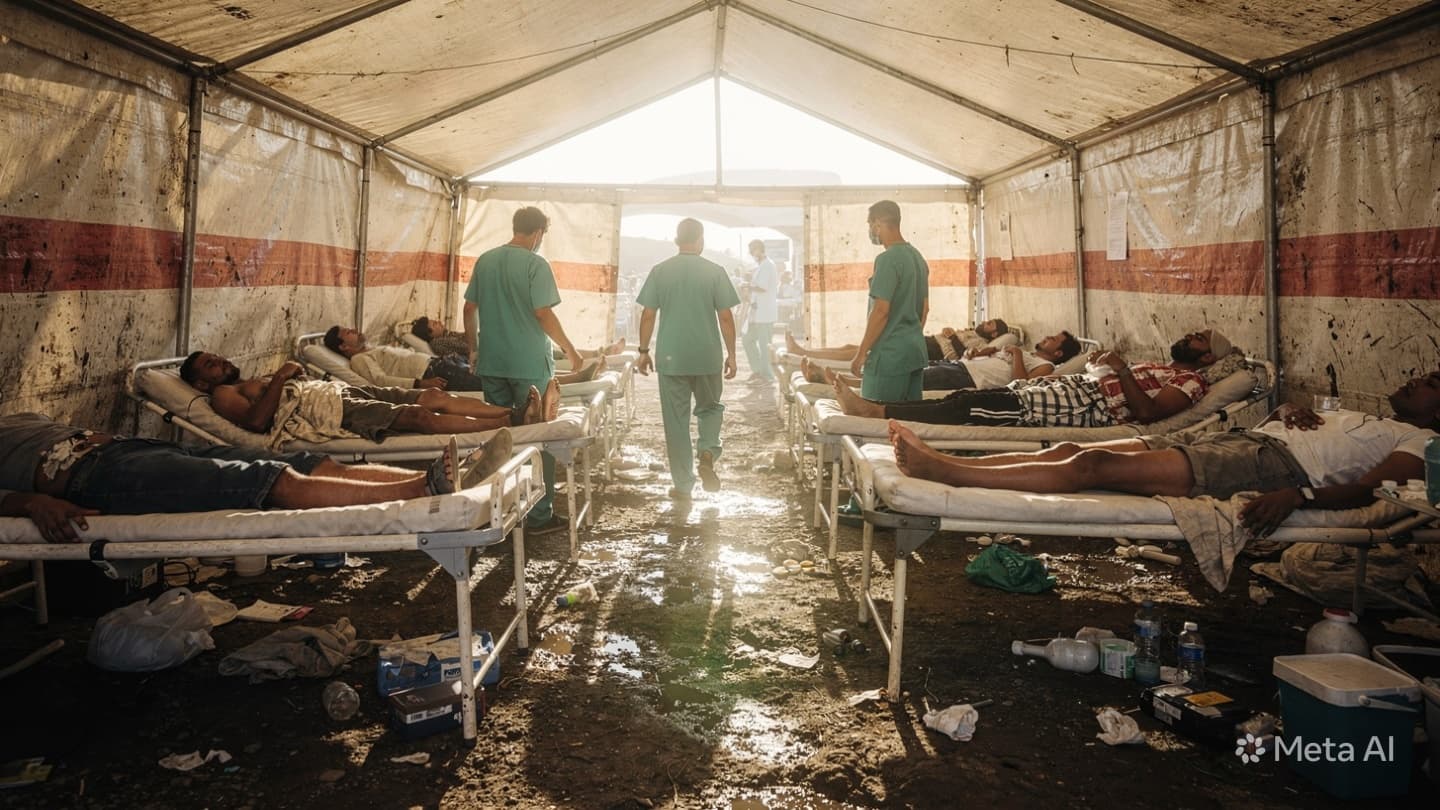
Mogadishu, Somalia—The health crisis in Somalia has reached alarming levels as hospitals are overwhelmed with patients suffering from concurrent outbreaks of cholera and measles. Reports indicate that the isolation wards are filled to capacity by dawn each day, forcing doctors to perform triage under trees due to a lack of adequate facilities. Most of the patients are children under five years old, whose immune systems are severely compromised by ongoing malnutrition.
Local health workers are facing extreme exhaustion after working double shifts for weeks. They are struggling with a critical shortage of basic medical supplies, including rehydration salts and intravenous fluids. Vaccine stocks are dwindling rapidly, and the cold-chain storage infrastructure has failed in three major districts, leaving officials scrambling to find backup generators for the remaining facilities. The situation is dire, with healthcare providers unable to meet the needs of the population.
Access to clean water remains the most significant challenge in combating cholera. Displaced persons in camps are forced to rely on contaminated wells, exacerbating the outbreak. Water trucking programs have been delayed due to road damage, perpetuating a cycle of illness that continues as long as these vulnerable populations remain in such conditions. The lack of clean water is a critical factor in the rising number of cholera cases.
International donors are facing criticism for the slow pace of their financial support. Although aid packages have been promised, they have yet to reach the front lines. The lack of coordination between various agencies is creating significant gaps in coverage, particularly in rural areas that are currently being overlooked. This delay in aid is contributing to the worsening health crisis.
Measles is spreading rapidly through the camps, fueled by low vaccination coverage. The virus is moving through entire families in a matter of days, with many children developing secondary complications such as pneumonia. Tragically, deaths are occurring before families can reach the nearest clinic, highlighting the urgent need for immediate intervention.
The Ministry of Health is struggling to track the total number of cases due to the chaos in the camps. Record-keeping is nearly impossible, and public health announcements are failing to reach those without radios. Trust in official health advice is low among certain groups, complicating efforts to control the outbreaks.
In response to the crisis, teams are conducting emergency vaccination drives to halt the transmission of measles. However, the success of these efforts is heavily dependent on the availability of transport to remote regions, which is hindered by ongoing security concerns. The situation remains volatile and extremely dangerous, with healthcare workers waiting anxiously for the next shipment of IV bags from the port.
As the sun beats down, the heat exacerbates the already dire conditions inside the crowded wards. The combination of cholera and measles has created a perfect storm for mortality, and without immediate action, the situation in Somalia is likely to worsen.
Published by Banx Network. This article is part of the Banx decentralized media programme, powered by the BXE token on the XRP Ledger.



