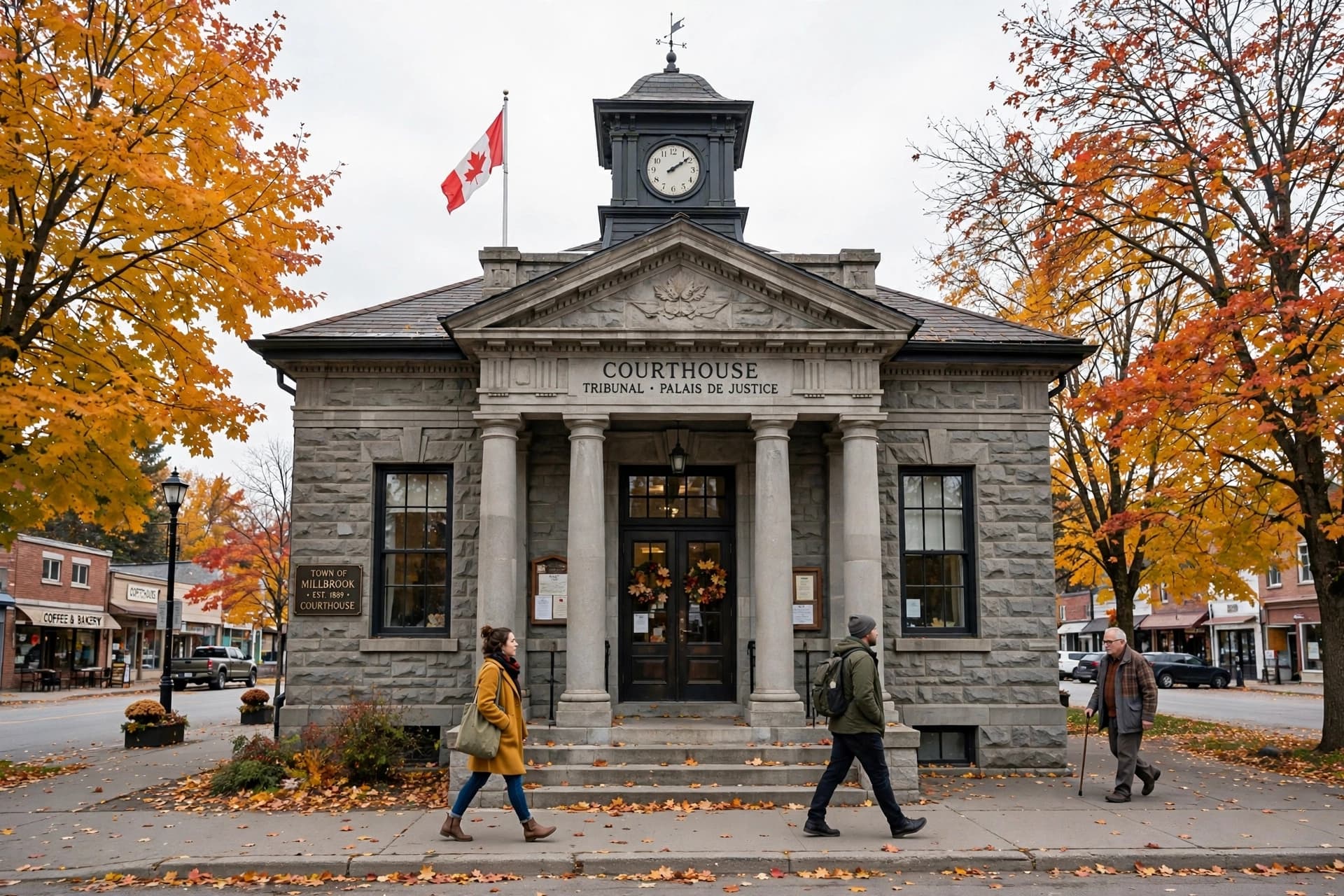
There are decisions that courts must render, and then there are decisions that courts must hold—cases where the law and human sorrow are so deeply entangled that any verdict feels like a kind of wound. In a courtroom in Kentville, Nova Scotia, this week, such a case unfolded: a 75-year-old man, a wife of 33 years whose body had failed her, and a promise made in the dark hours of a night when both knew what was coming.
Douglas Smith was sentenced Tuesday to six years in prison for the death of Iris Dodd, 72, who died in their Kingsport home on April 30, 2022 . Smith had pleaded guilty to manslaughter in April, days before he was to stand trial for second-degree murder. The agreed statement of facts described a couple who had shared “a long, supportive and happy life together,” now facing something neither had planned for: Dodd’s health had been deteriorating since a stroke in 2018, and they were to be evicted from their home the next day .
Dodd used a wheelchair. She was losing her eyesight. She lived with chronic pain from arthritis and fibromyalgia, and had just endured a long hospital stay for pneumonia . On that night, she told her husband she did not want to spend her final years in a care facility. She had a plan—to take all her medication at once—and she asked him to arrange the pills because she could no longer see them clearly. She told him to leave the house so he would not be implicated. Initially, he refused. But she was, in his words, “very upset,” and she made him promise. He did .
The couple agreed to carry out the plan the following day. Dodd calmed and slept. Smith did not. He worried about her dying alone, about the plan failing and leaving her with permanent brain damage. The agreed statement of facts says he “resolved all these thoughts and fears in his head by getting up and holding a pillow over the victim’s face” . He told a 911 dispatcher the next day, from the parking lot of a closed RCMP detachment: “She was in distress and I eased her distress” .
In court, Smith wept as the facts were read, holding his head in his hands. When asked if he wanted a break, he said: “Let’s get this over with” . Crown prosecutor Daniel Rideout noted that the case differed from the spate of domestic homicides in Nova Scotia in recent years—Smith was driven by compassion, Rideout said, but he still broke the law, and other options had existed . Justice David Conway imposed six years, a sentence that reflects the gravity of a killing while acknowledging the extraordinary circumstances that preceded it.
The case raises questions that statutes cannot easily answer: What do we owe one another at the end of a life? What is the line between mercy and harm, and who has the right to draw it? Smith, who drove to the police station the day after his wife died and called 911 himself, will serve six years. The law has spoken. But the sorrow that filled that courtroom—the tears of an old man who promised his wife he would help her—will linger long after the sentence is served.
Image disclaimer: The images in this article are AI-generated and are not photographs of the individuals involved.
---
Sources: CBC News, Perspecta News, London Chinese News
Published by Banx Network. This article is part of the Banx decentralized media programme, powered by the BXE token on the XRP Ledger.