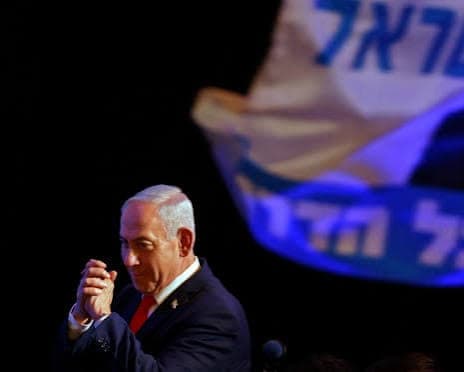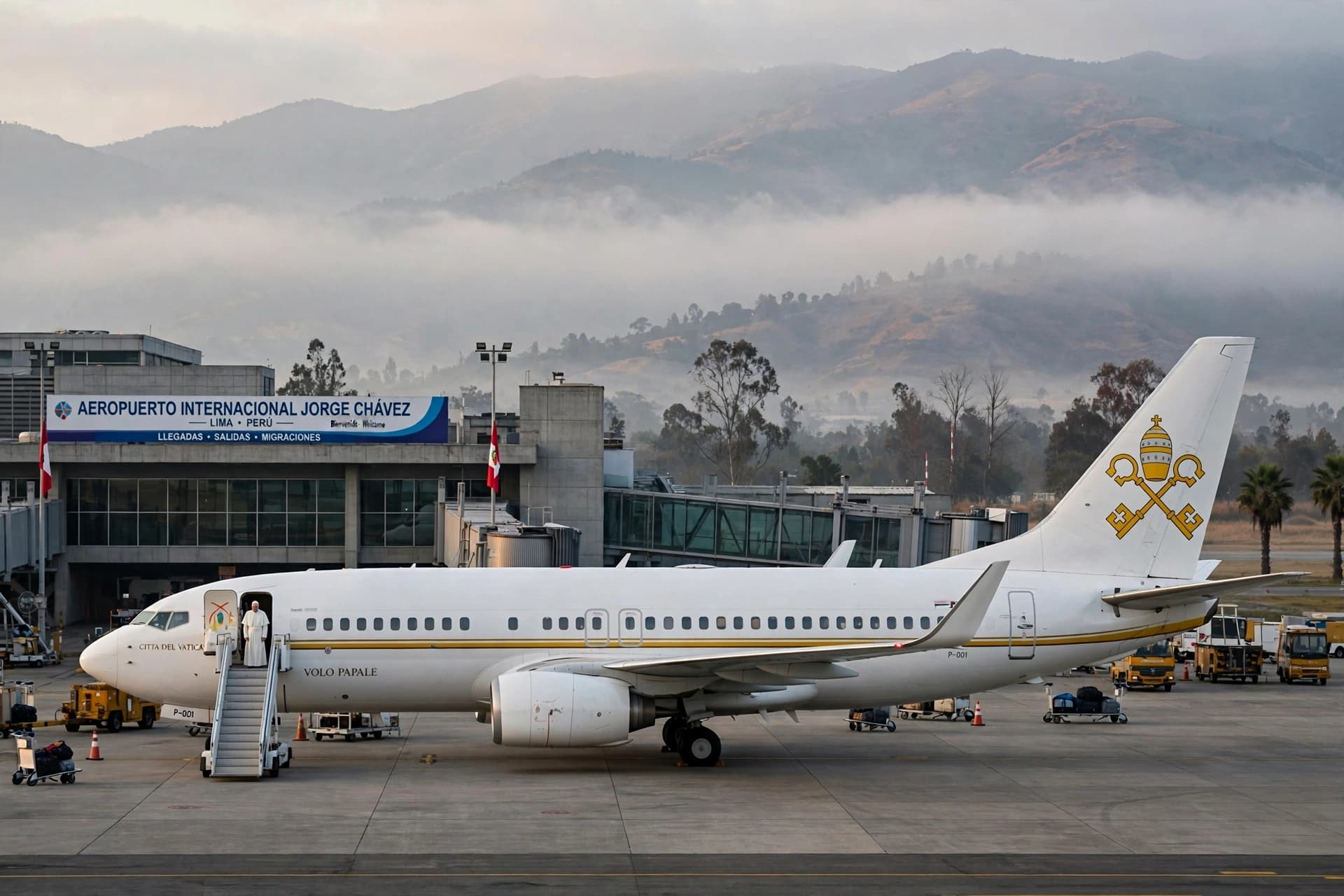
Home is not always where one is born. For Pope Leo XIV, it is a place he lived for two decades, a continent where he walked among the faithful not as a pontiff but as a missionary. When he returns to South America in November, he will do so as the leader of the global Catholic Church, but the journey carries a quieter resonance: the return of a man to the soil that shaped him.
The Vatican confirmed Monday that the Pope's apostolic journey to Uruguay, Argentina, and Peru will proceed as scheduled from November 6 to 17, 2026. The announcement came roughly two weeks after the 71-year-old pontiff underwent surgery at Rome's Gemelli Hospital to remove a cancerous tumor from the lower part of his right lung. The surgery was successful, and his surgeon described his condition as "completely satisfactory." The Vatican said the Pope looks forward to the trip "with great joy and enthusiasm" .
Peru holds particular significance. Pope Leo spent two decades there as a missionary, and in the Vatican's statement, he spoke of returning to "the continent where I lived many moments of my life" . Argentina and Uruguay were included in the itinerary for a reason noted by Catholic commentator Pedro Kriskovich: they are countries not visited by Pope Francis during his pontificate, and Leo's travel planning has prioritized territories that did not receive direct apostolic accompaniment in earlier phases
The trip nearly did not happen as planned. The cancer diagnosis, discovered during a routine check, led to surgery on October 13. Some observers speculated the South America journey might be modified or postponed. The Vatican's confirmation on Monday put those questions to rest. Follow-up examinations showed the cancer was localized, and the Vatican said no further treatment would be needed .
For Paraguay, a neighbor to the confirmed destinations, the announcement revived a different question. The country's foreign ministry has been evaluating whether to request a stopover in Asunción, given the proximity to Montevideo and northern Argentina. Pedro Kriskovich noted that a papal visit requires formal invitations from both the government and the Episcopal Conference, and that no such coordinated invitation has been formalized . The possibility remains speculative.
The broader significance of the journey lies in its geography. South America is home to roughly 40 percent of the world's Catholics, and a papal visit carries weight that transcends diplomacy. It is a pastoral gesture, a presence, a reminder that the Church's center is not only in Rome. For a pontiff who spent years in Peru, the return is also personal—a reckoning with a place that formed him before he was called to lead.
The Vatican has not released the full itinerary. What is known is the window: eleven days, three countries, and a homecoming measured in decades.
The images in this article are AI-generated and are not photographs of the individuals or events described.
Sources: Agence France-Presse (via Al-Etihad), La Tribuna (Paraguay), La Nación (Paraguay), Vatican Press Office statement
Published by Banx Network. This article is part of the Banx decentralized media programme, powered by the BXE token on the XRP Ledger.