In Hawaii, the bond between the living and the dead is deeply rooted in the land, where cemeteries are sacred spaces of memory and reverence. Recently, however, this tranquility was disrupted by the fury of Tropical Storm Lala, which battered the islands with intense rain and flooding. On Moloka’i, the Kapaʻakea Cemetery suffered significant damage, as rising waters and saturated soil displaced graves and scattered headstones, prompting a desperate search to restore dignity to the deceased.
The storm’s impact was severe, turning dry riverbeds into torrents that overflowed into nearby burial grounds. The force of the water eroded the earth, causing plots to sink and caskets to surface. For families visiting the cemetery, the scene was heartbreaking, with mud and debris covering what were once well-tended resting places. The disruption of these sacred sites has caused profound emotional distress, compounding the trauma of the storm itself.
County crews have been working tirelessly to assess the damage and begin restoration efforts. The task is delicate and labor-intensive, requiring careful handling of remains and markers to ensure they are returned to their proper places. Workers are coordinating with families to identify displaced items and verify locations, a process that demands both precision and compassion. The goal is to restore the cemetery to a state of respect and order.
The incident has highlighted the vulnerability of coastal and low-lying cemeteries to extreme weather events. As climate change increases the frequency and intensity of storms, such damages may become more common. Communities are beginning to discuss long-term solutions, including improved drainage systems, reinforced burial structures, and relocation plans for high-risk areas. These conversations are difficult but necessary for preserving cultural heritage.
For the people of Moloka’i, the cemetery is more than a burial ground; it is a connection to ancestors and history. The disturbance of graves is seen as a violation of this sacred link, causing spiritual and emotional pain. Community leaders have called for unity and support, organizing volunteer efforts to help with cleanup and provide comfort to affected families. The response reflects the strong communal bonds that characterize Hawaiian culture.
Officials have restricted public access to the site temporarily to ensure safety and facilitate repairs. They are urging patience and understanding as the work progresses, acknowledging the sensitivity of the situation. Communication with families is a priority, with updates provided regularly to keep them informed of the restoration timeline. Transparency and empathy are guiding principles in this challenging recovery effort.
The storm has also sparked broader discussions about infrastructure resilience across Hawaii. Other cemeteries and historical sites face similar risks, prompting reviews of maintenance and protection strategies. Investment in sustainable practices and disaster preparedness is essential to safeguard these important cultural assets for future generations.
As the cleanup continues, the focus remains on healing and restoration. The hunt for the displaced dead is not just a logistical challenge but a moral imperative, driven by love and respect for those who have passed. In restoring the cemetery, the community is also rebuilding its sense of peace and continuity, honoring the past while preparing for a more resilient future.
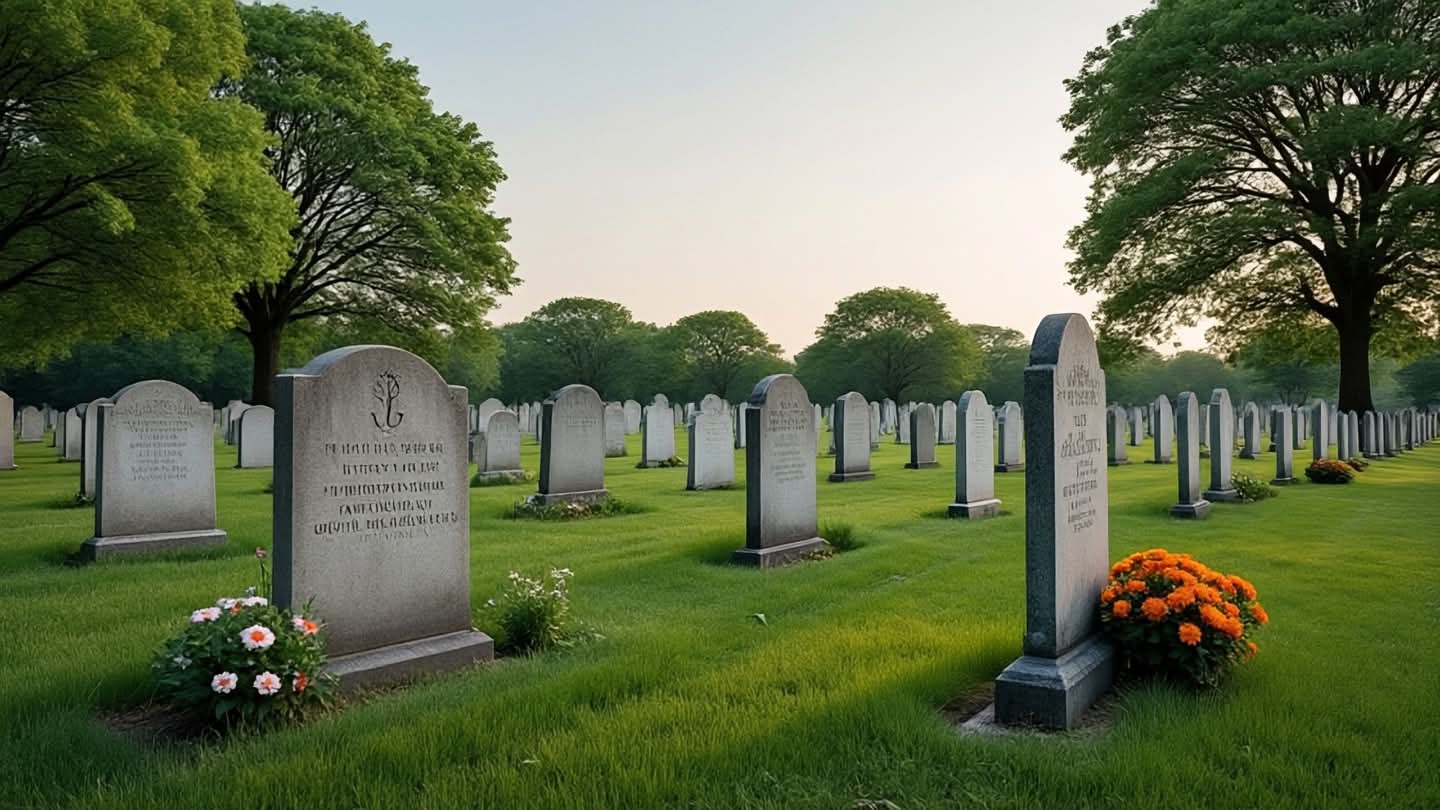
AI Image Disclaimer: Visuals in this article are AI-generated illustrations of cemetery landscapes and storm aftermath concepts, designed to reflect the themes of loss and restoration without depicting real human remains or specific damaged graves.
Sources: Civil Beat, KHON2, Hawaii News Now, KITV
Published by Banx Network. This article is part of the Banx decentralized media programme, powered by the BXE token on the XRP Ledger.