The Pacific Ocean, vast and deep, holds within its currents a power that is both majestic and formidable. Recently, this power has coalesced into Hurricane Lowell, a Category 4 storm that is churning with intensity near the Hawaiian Islands. As winds howl and waves rise, residents and visitors alike watch with a mixture of awe and caution. Forecasters have issued warnings of a significant turn in the storm’s path, a shift that could alter the trajectory of impact and reshape the immediate future for those in its vicinity. This unfolding event serves as a reminder of nature’s unpredictability and the importance of preparedness in the face of such dynamic forces.
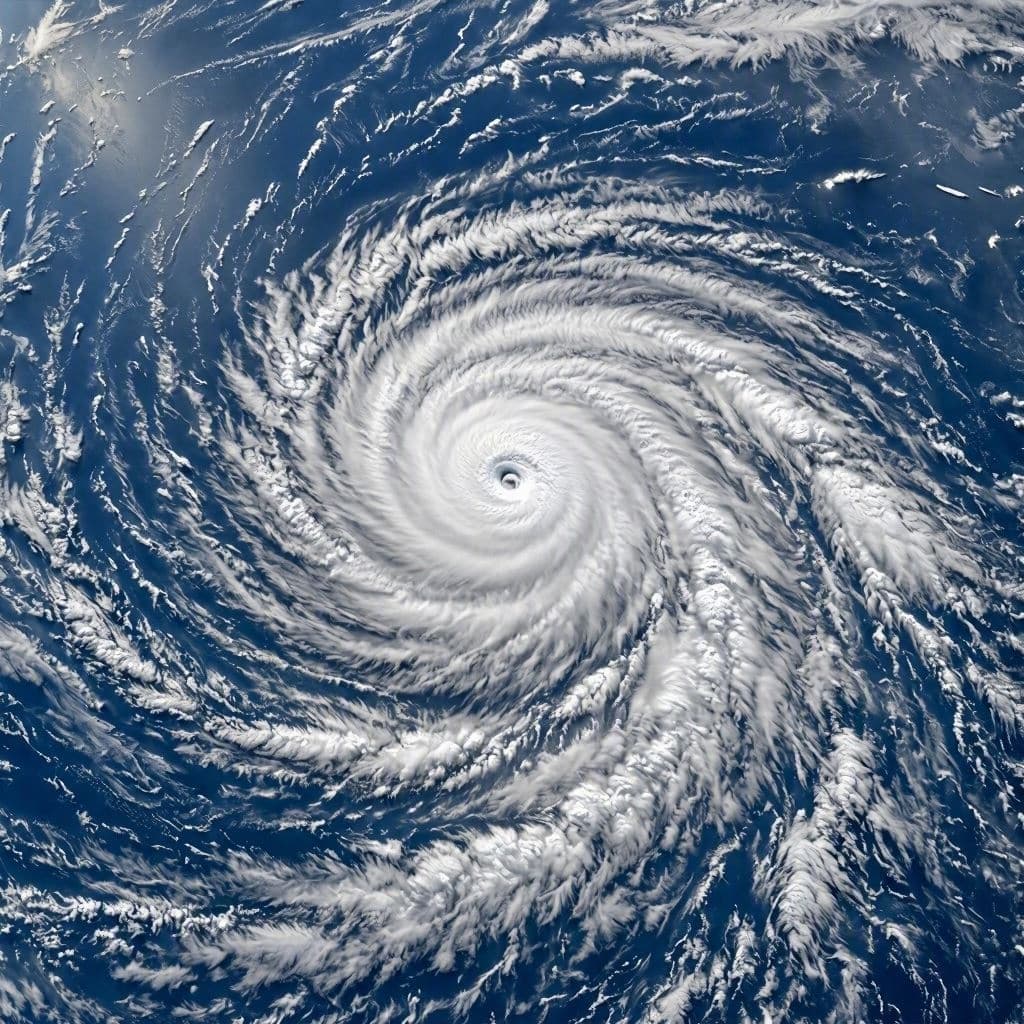
Hurricane Lowell has strengthened rapidly, fueled by the warm waters of the central Pacific. Its classification as a Category 4 hurricane indicates sustained winds of considerable speed, capable of causing severe damage to structures and vegetation. The storm’s core is well-defined, with a clear eye that betrays the calm at the center of the chaos. For meteorologists, tracking Lowell is a complex task, involving satellite imagery, buoy data, and computer models that attempt to predict the whims of atmospheric pressure.
The warning of a "big turn" suggests that Lowell may be interacting with larger weather patterns, such as high-pressure systems or jet stream fluctuations. These interactions can steer hurricanes in unexpected directions, making precise forecasting challenging. For Hawaii, this uncertainty requires vigilance. Communities are advised to monitor updates closely, securing homes and preparing emergency supplies. The potential for heavy rain, storm surge, and high surf remains a primary concern, even if the direct hit is avoided.
Local authorities have activated emergency protocols, ensuring that shelters are ready and response teams are on standby. Communication channels are open, providing residents with real-time information and guidance. The spirit of aloha, often associated with warmth and welcome, also embodies resilience and community support in times of crisis. Neighbors check on one another, sharing resources and reassurance, strengthening the social fabric against the physical threat.
For the tourism industry, the storm presents logistical challenges. Flights may be canceled, and activities curtailed, impacting the local economy. However, safety remains the paramount priority. Visitors are encouraged to follow official advice, respecting the power of the ocean and the expertise of local officials. The disruption, while inconvenient, is a necessary precaution to ensure the well-being of all on the islands.
Scientifically, Hurricane Lowell offers valuable data for researchers studying climate patterns and storm behavior. Each storm contributes to a broader understanding of how ocean temperatures and atmospheric conditions influence hurricane formation and intensity. This knowledge is crucial for improving future forecasts and developing better mitigation strategies. In this way, even a destructive event can yield insights that protect lives in the long term.
As Lowell continues its journey across the Pacific, the focus remains on safety and adaptation. The storm’s path may change, but the need for readiness does not. Hawaii, accustomed to the rhythms of the sea, stands firm, guided by experience and cooperation. The roar of the hurricane is a call to attention, urging respect for the natural world and the fragility of human infrastructure.
Hurricane Lowell, a Category 4 storm near Hawaii, poses significant risks as forecasters predict a major change in its direction, highlighting the need for continued vigilance and community preparedness in the Pacific region.
AI Image Disclaimer: Please note that any accompanying visuals for this report are artificially generated representations intended for illustrative purposes only.
Sources: National Hurricane Center Honolulu Star-Advertiser NOAA Weather Channel
Published by Banx Network. This article is part of the Banx decentralized media programme, powered by the BXE token on the XRP Ledger.