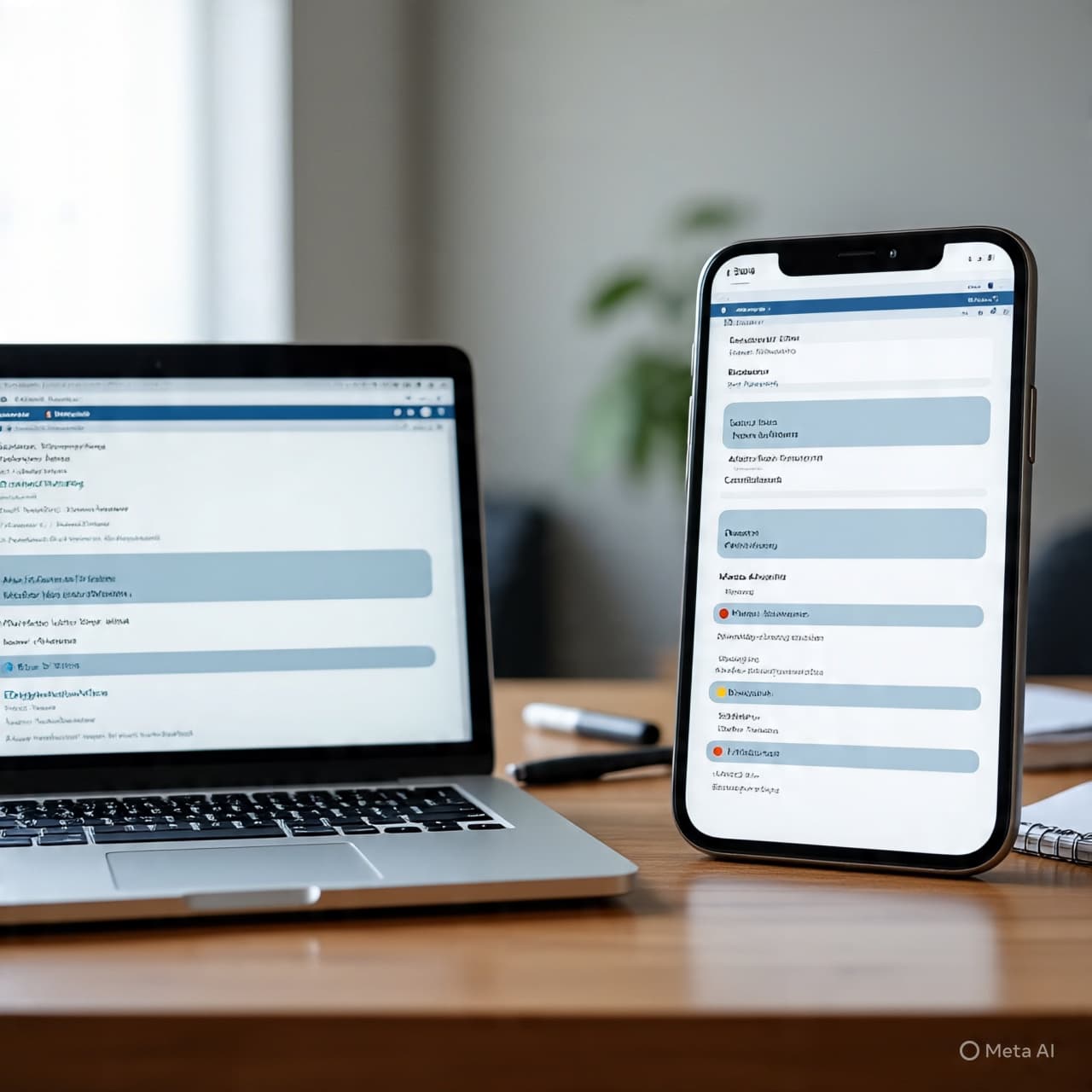
There’s a rhythm in how we protect what we hold dear. At first, we carve our secrets into memory, like initials on old trees. Then we draw them in notebooks tucked into drawers. Over time, we invite tools and helpers into our lives — digital vaults designed to carry the burden of dozens of passwords, so that we might walk freely through our networked lives without stumbling over forgotten credentials.
But lately, the landscape is shifting. In the soft hum of a morning routine, your phone unlocks with a glance; a fingerprint whispers open an app. The same devices that once begged for a separate password‑keeper now offer their own built‑in guardians, tucked quietly into operating systems across ecosystems. Apple’s iCloud Keychain, Windows Credential Manager, and Google’s Password Manager have become familiar fixtures — each weaving saved credentials into the fabric of everyday use without asking us to look elsewhere for help.
This doesn’t mean that dedicated password managers have been exiled to history. Some users still swear by third‑party tools with cross‑platform sync and advanced security options. Yet for many, the operating system’s own offering feels like a trusted companion, already present and no extra weight to carry. In this scene, the standalone password vaults feel less like necessities and more like optional luggage on an already full journey.
Beyond these built‑in tools are even gentler forms of authentication — passkeys and biometric logins. A device that recognizes your face or fingerprint becomes both key and guard, dissolving the very need for a traditional password in some corners of the digital world. When this method is available, it can be easier and, in some cases, more secure than juggling memorized secrets or external password stores.
Still, technology is rarely one‑size‑fits‑all. Some users prize cross‑platform compatibility that first‑party tools don’t always provide, and others appreciate the added features of dedicated password ecosystems. Meanwhile, security experts remind us that no system is perfect — even built‑in managers or passkeys require vigilance and thoughtful use.
In the end, the question isn’t simply whether password managers are obsolete. It’s whether the tools we carry best serve how we live now. Devices increasingly shoulder the burden of secure authentication, and for many people, what was once essential may now be optional. What matters most is a thoughtful approach to safeguarding the doors of our digital lives — whether held in memory, in code, or in the quiet trust of technology already in our hands.
AI Image Disclaimer (rotated wording) Visuals are created with AI tools and are not real photographs.
Sources BGR, Yahoo Life UK, PC Comms, PCWorld, TechRepublic.
Published by Banx Network. This article is part of the Banx decentralized media programme, powered by the BXE token on the XRP Ledger.

.jpg&w=3840&q=75 "The Artemis Revolution: How NASA Plans to Build Humanity's Future on the Moon")