
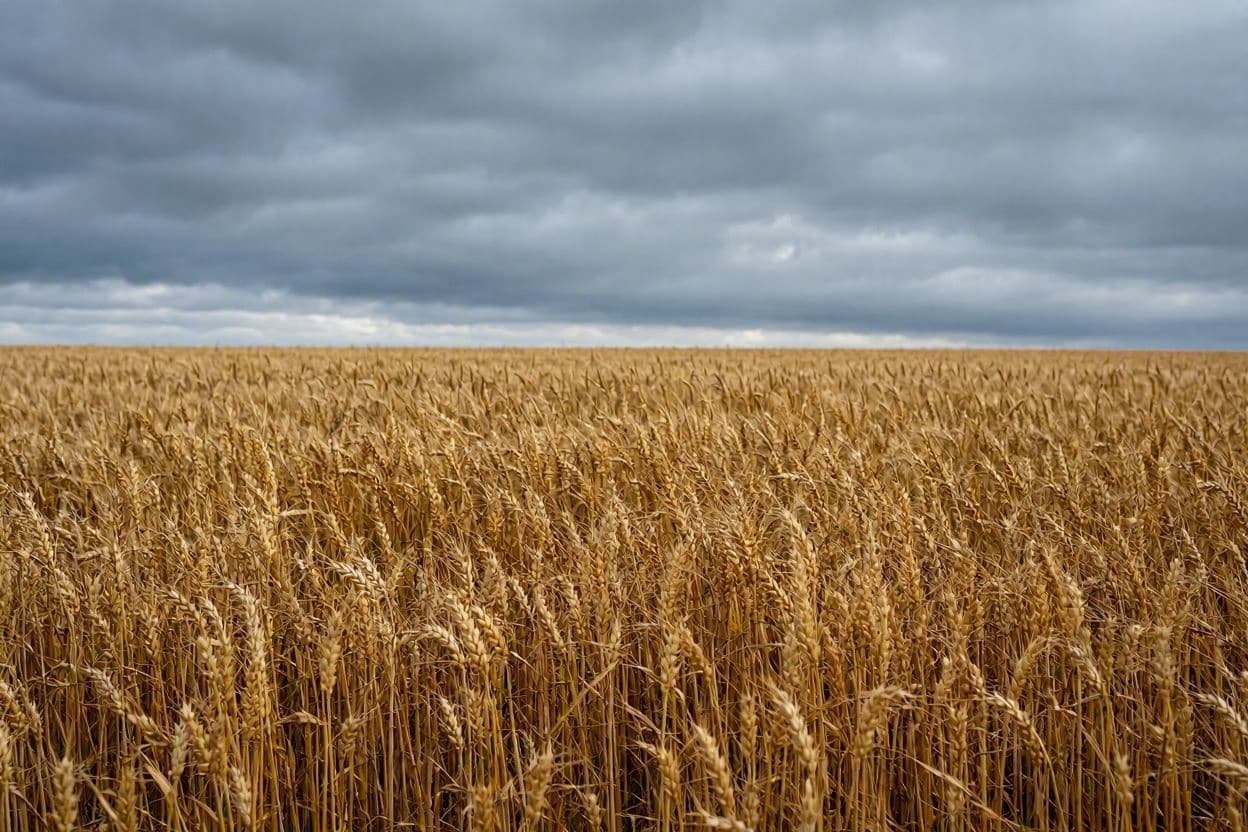
In the heartland of America, the relationship between policy and the land is deeply personal. For generations, farmers have looked to Washington not just for subsidies, but for stability and fair trade practices that allow their livelihoods to thrive. Recent proposals involving tariffs and agricultural strategies have sparked a complex debate within the Republican party and rural communities. The tension between protectionist economic goals and the practical realities of farming offers a window into the evolving political landscape of the United States.
The proposed policies aim to bolster domestic industries through tariffs on imported goods, including agricultural products. While the intention is to protect American jobs and reduce trade deficits, the immediate effect on farmers can be mixed. Retaliatory measures from trading partners often target U.S. agricultural exports, leading to reduced demand and lower prices for crops and livestock. This dynamic creates a paradox where efforts to help domestic industry may inadvertently hurt its primary producers.
Beef production, a cornerstone of the rural economy, is particularly sensitive to these shifts. Tariffs can increase the cost of feed and equipment, while closing off international markets reduces profitability. For many family-owned operations, margins are already thin, making them vulnerable to even small fluctuations in global trade dynamics. The fear of losing access to key export markets is a significant concern for ranchers and farmers alike.
Within the GOP, this issue highlights a divide between ideological support for strong trade barriers and the pragmatic needs of constituent bases. Many Republican voters in rural areas rely on agriculture as their primary source of income. If policies are perceived as harmful to their economic survival, it risks eroding the political loyalty that has historically defined this demographic. The challenge for leadership is balancing nationalistic economic theories with local realities.
Farmers are not monolithic in their views, but there is a growing sentiment of uncertainty. Some welcome the idea of prioritizing American products, while others worry about the long-term consequences of trade wars. This divergence reflects a broader national conversation about globalization, sovereignty, and economic independence. Listening to these varied perspectives is crucial for crafting effective policy.
Historical precedents show that trade disputes can have lasting impacts on agricultural communities. Past tariff implementations led to significant federal bailouts to offset losses, a solution that is not always sustainable or popular. The preference among many farmers is for open markets and predictable trade relationships rather than temporary financial aid. Stability is often valued more highly than short-term protection.
Political strategists are closely watching how these issues play out in upcoming elections. The ability of candidates to address the concerns of rural voters without abandoning their economic platforms will be a key test. It requires a nuanced approach that acknowledges the complexity of global supply chains and the vital role of agriculture in national security.
Ultimately, the goal should be a policy framework that supports American farmers while maintaining competitive trade relationships. This involves dialogue with industry leaders, economists, and international partners. By fostering collaboration rather than confrontation, it may be possible to achieve economic goals without sacrificing the well-being of the agricultural sector.
The potential impact of tariffs and new agricultural plans on farmers and GOP voters underscores the delicate balance of trade policy. While aiming to protect domestic interests, such measures risk alienating key constituencies if they lead to market instability. Continued dialogue and careful consideration of rural economic needs are essential for political cohesion.
AI Image Disclaimer: The images associated with this article are AI-generated visualizations intended to represent the agricultural landscape and the concept of economic policy, using symbolic imagery rather than specific political figures.
Sources: Reuters Agri-Pulse The Wall Street Journal
Published by Banx Network. This article is part of the Banx decentralized media programme, powered by the BXE token on the XRP Ledger.

.jpg&w=3840&q=75 "Putin and Xi Rally Allies at Kyrgyzstan Summit to Counter US Influence")