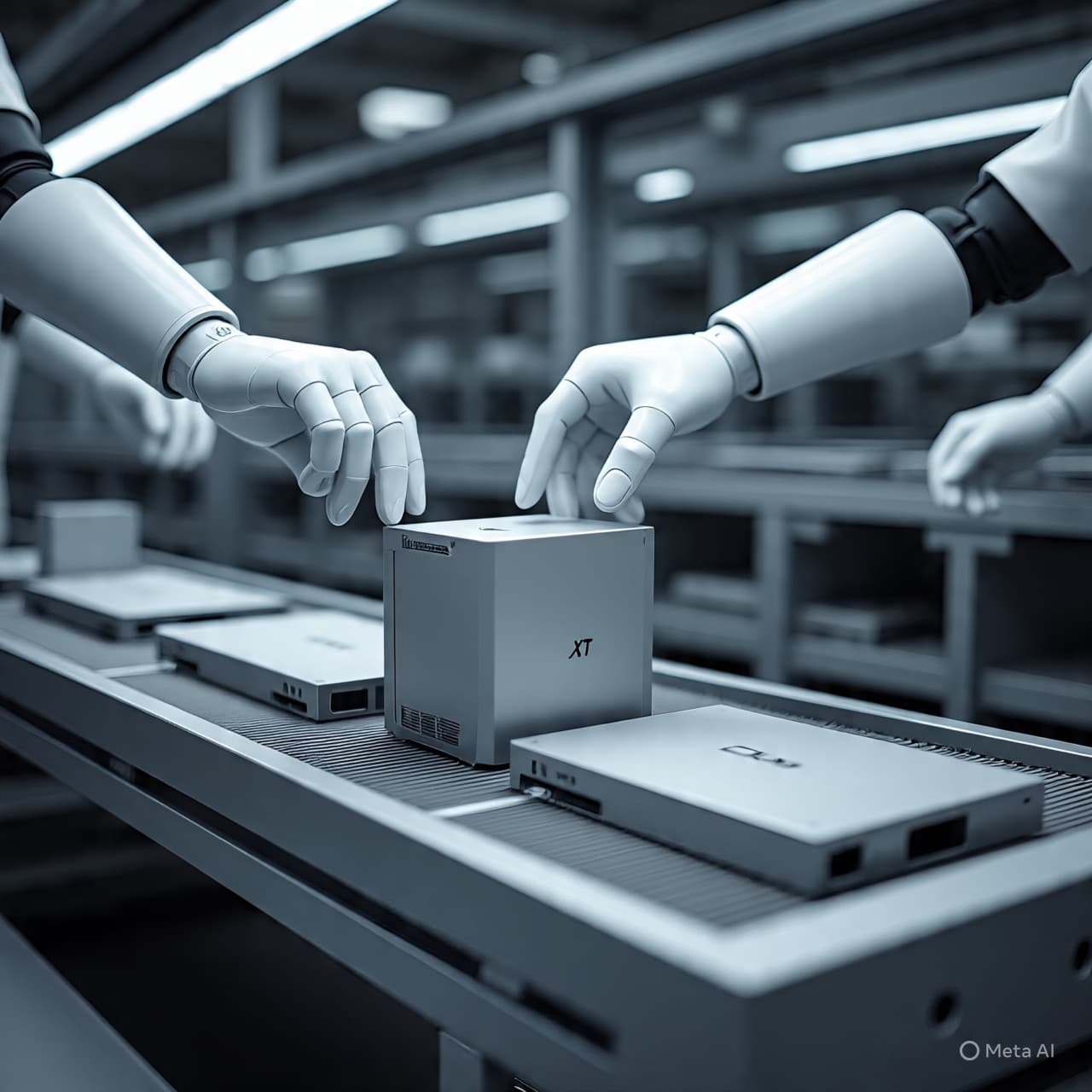
In the quiet glow of RGB‑lit gaming rigs and bustling computer shops, graphics cards are more than just hardware; they are symbols of aspiration, performance, and technological identity. Within this ecosystem, small shifts in production priorities ripple outward, subtly reshaping the choices available to enthusiasts and professionals alike. Recently, whispers from the GPU industry suggest such a shift is under way: AMD, it seems, is turning its focus toward the RX 9070 XT, leaving its standard RX 9070 in the shadows of lower priority. (notebookcheck.net)
The RX 9070 XT has long been the more coveted sibling — a card that balances performance with a price tag palatable to high‑end gamers. But in recent months, rising DRAM and component costs have tightened profit margins across the industry, prompting AMD and its partners to rethink which variants merit greater emphasis. In this recalibration, the XT variant stands out: it offers a higher average selling price, stronger demand, and a buffer against supply‑chain volatility. (wccftech.com)
Industry insiders describe the move as practical rather than ideological. The standard RX 9070 is not being discontinued; rather, it is receiving less attention in allocation, production, and distribution. Retailers may still carry both cards, but the XT is increasingly the centerpiece of AMD’s near‑term GPU strategy. This is a subtle dance between profitability, consumer demand, and supply constraints, one that plays out behind the scenes yet affects every buyer stepping into a store or refreshing an online shopping cart. (filmogaz.com)
For the PC building community, this development carries both promise and challenge. Those seeking high‑performance cards may find the XT variant more consistently available, while enthusiasts seeking the non‑XT model might encounter tighter supply or premium pricing. At the same time, the shift signals AMD’s attempt to stabilize market prices amid global component cost fluctuations, a pragmatic response that echoes moves seen from competitors in prior GPU cycles. (notebookcheck.net)
This decision also underscores a broader narrative in the GPU industry: the delicate balance between consumer expectations, manufacturing realities, and financial prudence. While enthusiasts often debate specifications and benchmarks, the underlying economics of production quietly steer what ends up on the shelf. The RX 9070 XT’s prioritization is a reminder that every card represents a confluence of technology, market strategy, and global supply chain pressures. (wccftech.com)
For AMD, the move may also serve to signal confidence in the XT model as the more definitive expression of next‑generation gaming performance. By channeling production toward the XT variant, AMD can maintain a clear pricing hierarchy, ensure steady availability for high-demand segments, and subtly shape market perception. This, in turn, could influence competitors, retailers, and even the resale market, creating a feedback loop that reinforces the XT’s prominence. (filmogaz.com)
Yet, the decision also hints at market constraints that even tech giants cannot ignore. DRAM prices fluctuate, supply chains face bottlenecks, and consumer appetite can shift rapidly. In this environment, AMD’s focus on the RX 9070 XT is as much about hedging risk as it is about delivering performance — a careful orchestration in which every GPU shipped is both a product and a strategic play. (notebookcheck.net)
As gamers and builders watch for stock updates, the subtleties of AMD’s prioritization may become more tangible: which card is available first, how pricing evolves, and how the market responds. Behind the numbers, benchmarks, and marketing, the RX 9070 XT’s rise reminds us that technology is never just about hardware — it is about choices, economics, and timing, all interwoven in a complex, ever-shifting ecosystem. (wccftech.com)
AI Image Disclaimer
“Images in this article are AI-generated illustrations, meant for concept only.”
Published by Banx Network. This article is part of the Banx decentralized media programme, powered by the BXE token on the XRP Ledger.