
Key Highlights
- Russian oil tanker docks in Havana, Cuba, amid U.S. sanctions.
- The arrival underscores the complexities of international energy trade.
- Cuba's energy needs are met despite geopolitical tensions.
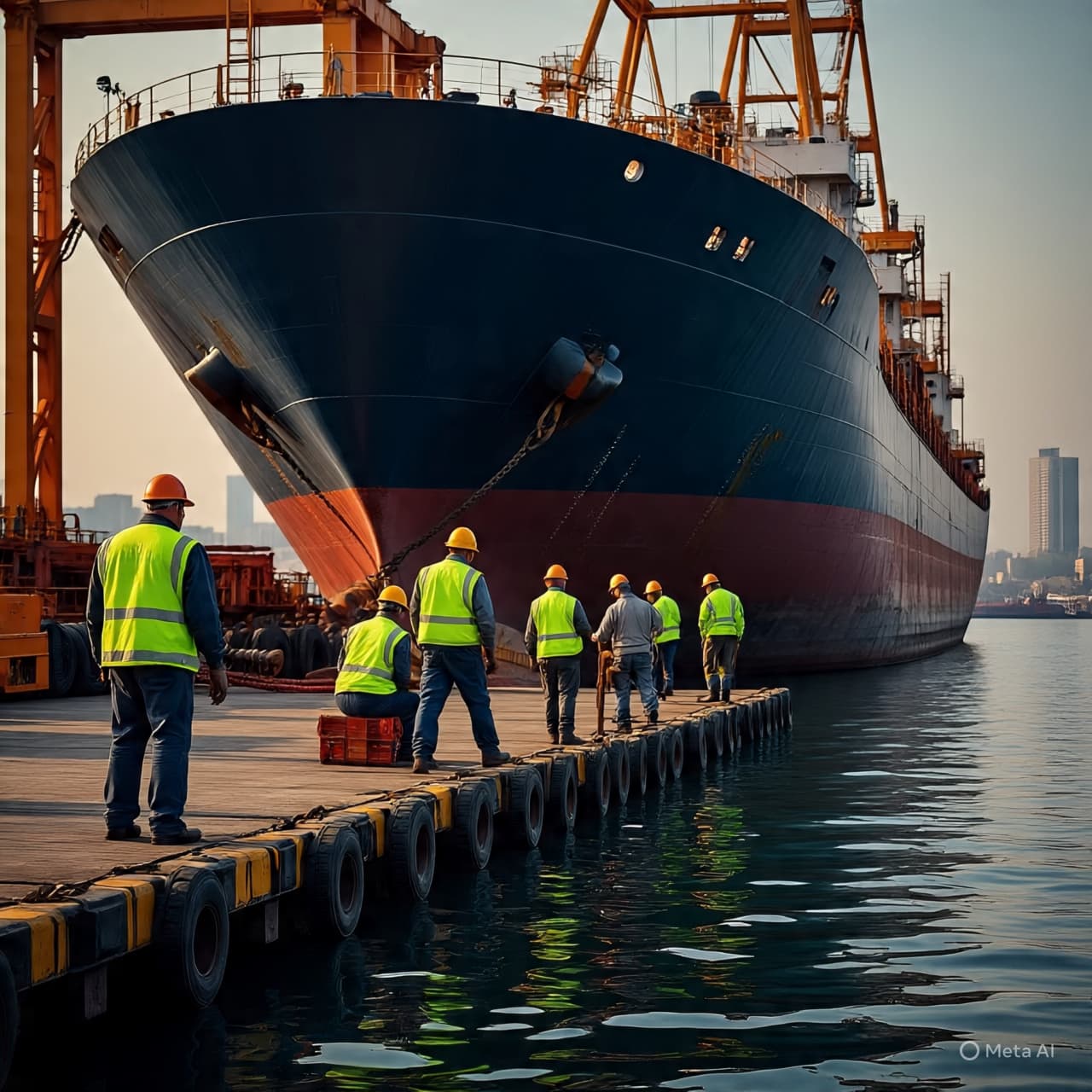
The morning sun glints off the gentle waves of Havana Harbor, scattering light across the steel hull of a Russian oil tanker that has quietly slipped into port. Its arrival is a study in contrasts: the calm of Caribbean waters against the weight of geopolitics, the routine rhythm of dockworkers against the extraordinary circumstances that brought this vessel across thousands of miles despite ongoing U.S. energy restrictions. The world beyond the harbor watches closely, yet here, the vessel docks as if time has momentarily slowed.
This ship, laden with crude oil, was allowed to proceed despite sanctions and blockades imposed by the United States. Analysts note that while sanctions aim to restrict certain flows of energy, enforcement encounters the complexities of international maritime law, local policy, and the subtleties of diplomacy. The dockside cranes and pipelines that await its cargo operate with quiet efficiency, unaware of the headlines that accompany each barrel.
For Cuba, the vessel represents both a practical and symbolic reality: a lifeline of energy amid global uncertainty. The import allows refineries and local distribution networks to continue operating, while also reminding observers of the delicate balance between necessity and politics. Here, energy is more than fuel; it is a pulse in the daily life of a nation, powering hospitals, schools, transport, and homes, quietly threading itself through the routines of everyday existence.
The ship’s journey highlights the complexities of international sanctions regimes. While intended to apply pressure, these measures must navigate the geography of ports, the sovereignty of nations, and the rhythms of commerce. Even as Washington asserts its policies, Havana’s port authorities exercised discretion, allowing the ship’s passage under legal and logistical frameworks that reflect national priorities.
Observers note the broader implications: oil is both commodity and leverage, energy and influence. Each vessel carries not only crude but also the subtle weight of strategic intent, an intersection where economics meets diplomacy, and where policy decisions reverberate across oceans. The dockside workers, the engineers, and the logisticians may feel little of these grand calculations, yet their labor enacts the quiet reality of global interconnections.
The ship’s docking also invites reflection on resilience and adaptation. Countries under pressure often navigate sanctions through legal channels, alliances, and creative logistics. The Cuban arrival is a reminder that the currents of international trade rarely follow a single path, and that the literal flow of oil mirrors the figurative currents of negotiation, compromise, and strategic calculation.
As the vessel discharges its cargo, the harbor absorbs both barrels and significance. The waves lap against the hull, indifferent to politics, while workers move with practiced precision. It is a moment suspended between routine and consequence, where everyday industry intersects with global narrative.
In the end, the facts remain straightforward: a Russian ship carrying oil docked in Cuba, proceeding despite U.S. energy sanctions. Yet the layers surrounding this simple statement—geopolitical tension, local agency, economic necessity—illustrate how even calm waters carry stories of motion, policy, and reflection.
Published by Banx Network. This article is part of the Banx decentralized media programme, powered by the BXE token on the XRP Ledger.



