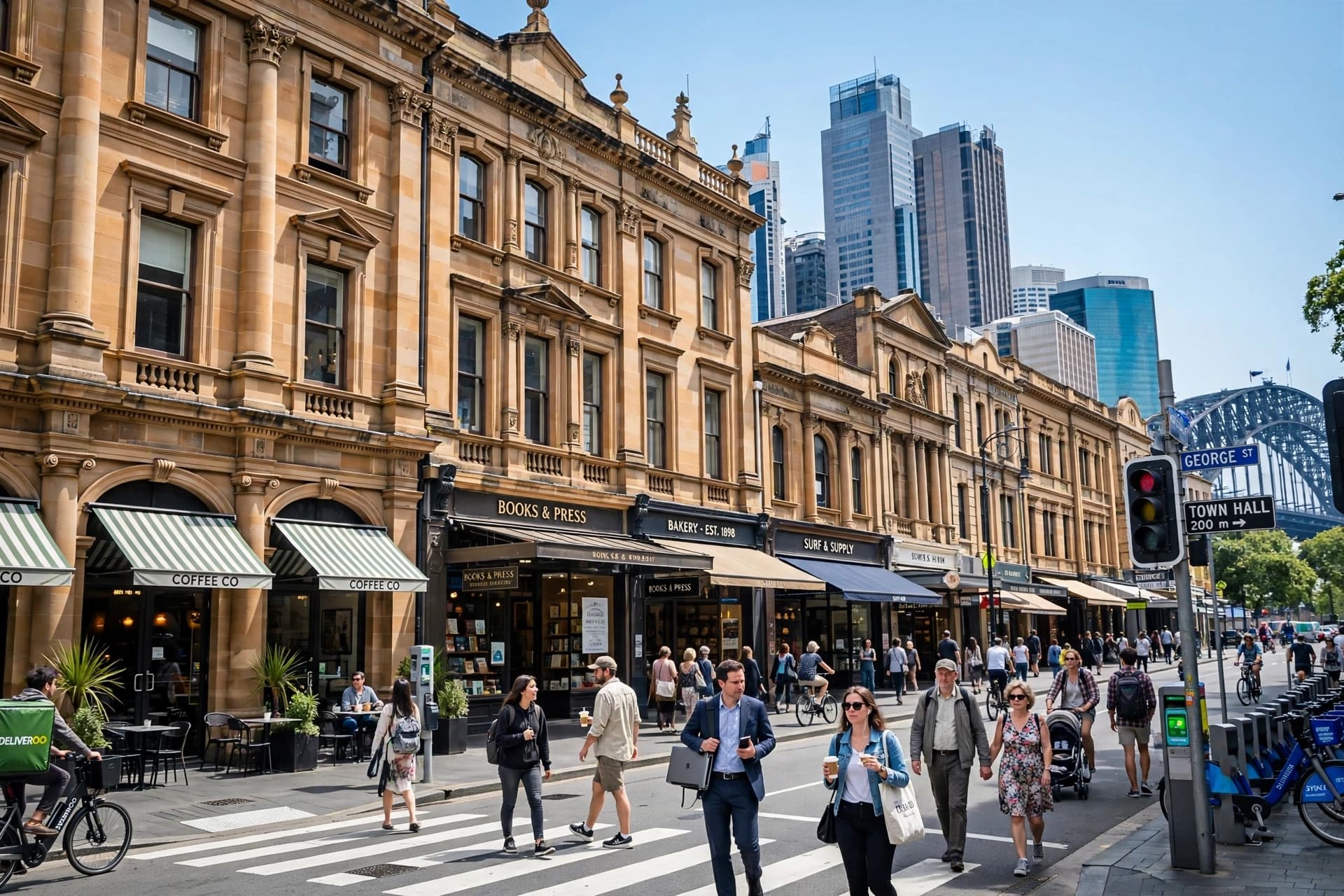
In the sunlit suburbs of Australia, a familiar scene is becoming increasingly common: adult children sharing a home with their parents. According to the latest data from the Household, Income and Labour Dynamics in Australia (HILDA) survey, nearly half of young adults are still living in the family home. This trend reflects a complex interplay of economic pressures, housing affordability, and changing social norms. It is a shift that redefines the traditional path to independence and challenges long-held expectations of adulthood.
The rising cost of housing is a primary driver of this phenomenon. With property prices and rents soaring in major cities like Sydney and Melbourne, many young people find it difficult to secure affordable accommodation. Living with parents offers a financial lifeline, allowing them to save for a deposit or pay off student debts. Economic reality shapes life choices. Prudence is a virtue.
Beyond finances, cultural factors play a role. In many Australian families, multigenerational living is seen as a source of support and connection rather than a failure to launch. Parents and children often enjoy each other’s company, sharing meals and responsibilities. Family bonds are strengthened by proximity. Connection brings comfort.
However, the arrangement is not without its challenges. Lack of privacy, differing lifestyles, and generational gaps can create tension. Negotiating boundaries and respecting individual space are essential for harmony. Communication is key to coexistence. Patience fosters peace.
For policymakers, the trend highlights the need for affordable housing solutions and support for first-home buyers. Initiatives such as shared equity schemes and increased supply of social housing are being discussed. Addressing the root causes requires comprehensive strategy. Policy impacts lives.
The HILDA survey also reveals differences across demographics. Young women are increasingly staying at home longer, possibly due to higher education participation and delayed partnership formation. Men, too, are delaying independence, often influenced by job market conditions. Trends vary by group. Data reveals nuance.
Socially, the stigma associated with living with parents is diminishing. It is no longer viewed as a sign of immaturity but as a pragmatic response to modern economic conditions. Peer support and open dialogue help normalize the experience. Acceptance reduces stress. Community understands.
In the end, the rise of young adults living with parents is a reflection of our times. It underscores the importance of family support in navigating economic challenges. As Australia adapts to this new normal, the focus remains on creating opportunities for all generations to thrive. Home is where the heart is.
AI Image Disclaimer: The visual aids included here are AI-generated illustrations depicting family homes and domestic scenes, not actual photographs of specific Australian households or survey participants.
Sources: Pursuit (University of Melbourne) Australian Institute of Family Studies The Conversation
Published by Banx Network. This article is part of the Banx decentralized media programme, powered by the BXE token on the XRP Ledger.