In the soft hush of a kitchen at dawn, a loaf of wheat-bread raises its warm aroma into the air—and with it, the invisible question: could this humble staple be the culprit behind our gut’s unrest? For years, the idea that gluten—found in wheat, rye and barley—was a hidden saboteur of digestive wellness has floated through conversations, social-feeds and supermarket shelves. Now, emerging research invites us to pause, set down the loaf and re-examine the narrative.
When we peel back the layers of this notion, a recent review published in by an international team led by at shows that most of the people who believe they suffer from “non-coeliac gluten sensitivity” (NCGS) may in fact be reacting to something other than gluten. The comprehensive review found that among individuals without or a wheat allergy, only a minority show a measurable adverse reaction to gluten itself.
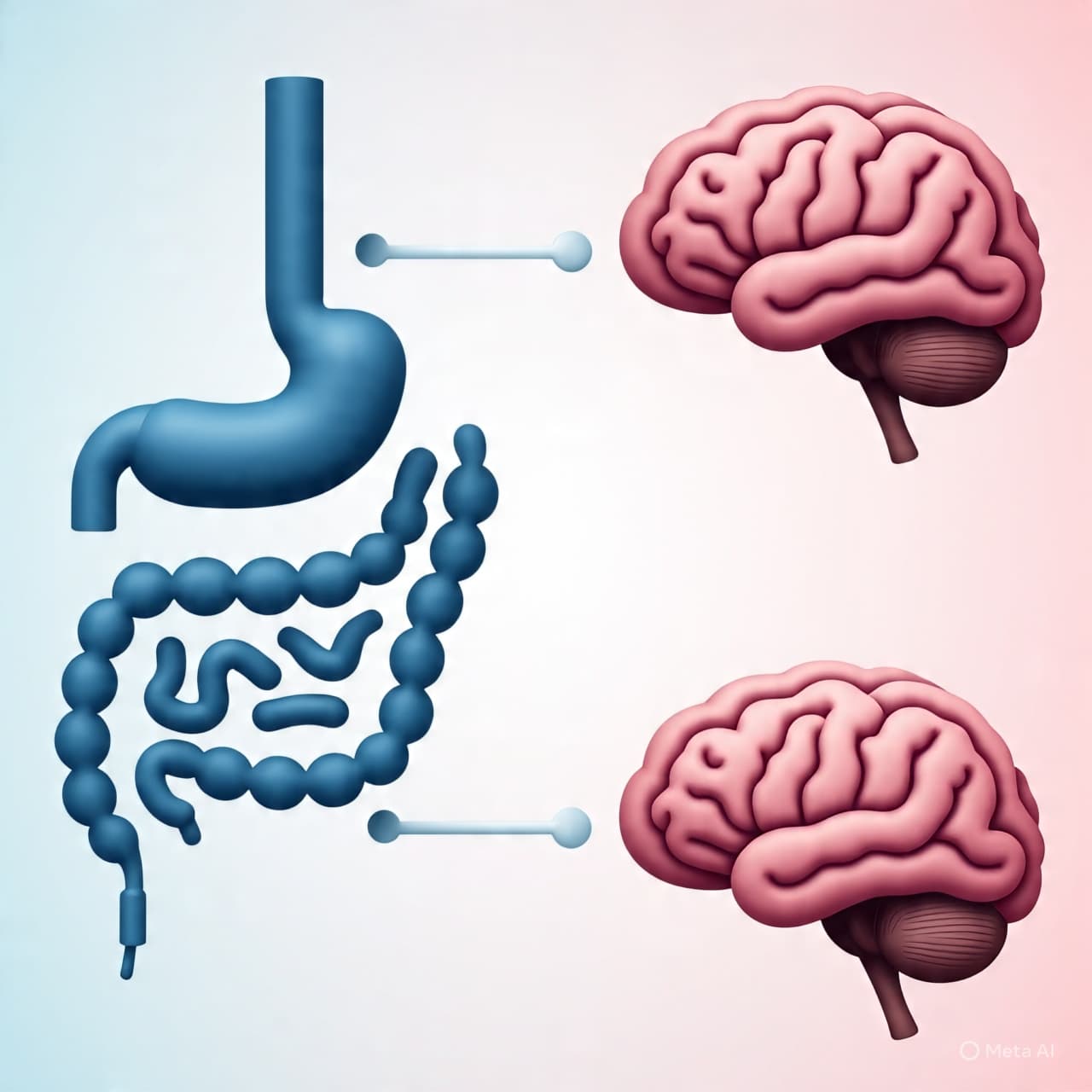
Rather, the evidence points to other actors: fermentable carbohydrates (so-called FODMAPs) found in wheat and many other foods, subtle wheat components unrelated to gluten, and the complex interplay between gut sensations and brain processing. Indeed, in controlled trials those who believed they were “gluten sensitive” often reacted just as strongly to a placebo—or to gluten, wheat and placebo equally—suggesting that anticipation and prior experience may shape the felt outcome.
This isn’t to say that gluten poses no problem whatsoever: for the one percent or so of the population with Coeliac disease, gluten avoidance remains essential. But its broader reputational role as the diet-bane for anyone with bloating, fatigue or “sensitive gut” appears to be fading. The review underscores that NCGS may be better understood not as a distinct gluten disorder, but as part of a spectrum of gut-brain interaction disorders akin to (IBS).
For people who’ve chosen gluten-free lives, this research suggests a more nuanced path: rather than blaming gluten in isolation, clinicians and patients may consider whether other dietary components (for example fructans in wheat) are at fault, whether overall diet quality and variety are optimal, and whether gut-brain communication and psychological expectations are contributing.
In this light, avoiding gluten automatically becomes less of a silver bullet and more of a part of a broader toolkit that includes dietary evaluation, perhaps a low-FODMAP trial, and attention to how we interpret our gut’s signals. According to the review, “millions of people around the world avoid gluten believing it harms their gut” whereas the actual mechanism may lie elsewhere.
The implications ripple outward: diet-industry messaging may need adjustment, clinicians may shift from blanket gluten-restriction recommendations to more individualized assessment, and for the public the conviction that “gluten equals digestive chaos” may soften into “maybe gluten is not the villain I thought”. The authors call for improved diagnostic tools, better public education, and policies aligned with evidence rather than fear.
So if your gut protests after a meal of pasta or a sandwich, it may well be that the culprit isn’t gluten only—or perhaps not at all—but rather the way your nervous system, your digestive tract and your food choices interact. It reminds us that our bodies are not simply chemistry sets reacting to single compounds, but ecosystems in dialogue with mind and gut.
AI Image Disclaimer: “Visuals are created with AI tools and are not real photographs.”
Sources: – ScienceDaily / University of Melbourne – MedicalXpress – The Independent – The New Indian Express – SciTechDaily
Published by Banx Network. This article is part of the Banx decentralized media programme, powered by the BXE token on the XRP Ledger.