
Key Highlights
- Recent attacks on tankers in the Gulf have disrupted a fragile shipping truce.
- The incidents are linked to escalating tensions involving Iran amid economic pressures.
- Shipping operators warn of potential increases in insurance costs and changes in route planning.
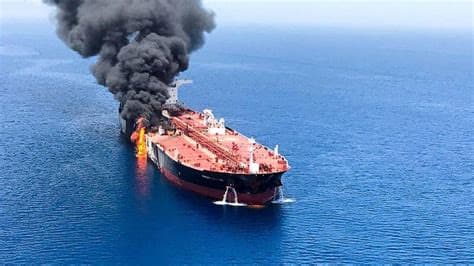
The recent attacks on tankers in the Gulf have shattered a temporary shipping truce, raising alarms about the potential for renewed disruptions to regional trade. These incidents come at a time when Iran is facing increasing economic pressures, exacerbated by international sanctions and geopolitical tensions. Shipping operators and government officials have expressed concerns that these attacks could undermine efforts to maintain safer sea lanes, which had been a priority for regional stability.
The attacks, which occurred in the strategic Strait of Hormuz, have led to heightened fears among shipping companies regarding the safety of their vessels. Officials have indicated that the uncertainty surrounding these incidents could lead to increased insurance costs, complicating route planning and port activities. The Strait of Hormuz is a critical chokepoint for global oil shipments, and any disruption can have far-reaching implications for international trade.
In response to these attacks, regional and external naval forces may implement additional security measures to protect shipping lanes. The potential for further incidents raises questions about the effectiveness of current security protocols and the ability of naval forces to deter future threats. Shipping companies are now faced with the challenge of navigating these heightened risks while maintaining their operations in a volatile environment.
As tensions continue to rise, the international community is closely monitoring the situation. The United States and its allies have reiterated their commitment to ensuring the safety of maritime navigation in the region. However, the effectiveness of these measures remains to be seen, especially as Iran grapples with its own economic challenges.
The broader implications of these attacks extend beyond immediate shipping concerns. They highlight the fragile nature of geopolitical stability in the region and the interconnectedness of global trade. As Iran faces mounting economic pressures, the potential for further escalation remains a significant concern for policymakers and industry leaders alike.
In conclusion, the recent tanker attacks in the Gulf serve as a stark reminder of the vulnerabilities inherent in global shipping routes. As stakeholders assess the situation, the focus will likely shift to finding solutions that can mitigate risks and ensure the continued flow of trade in this vital region.
Published by Banx Network. This article is part of the Banx decentralized media programme, powered by the BXE token on the XRP Ledger.



