
Key Highlights
- Iran has effectively shut down the Strait of Hormuz, impacting global oil exports.
- Major Gulf oil producers are increasing output through alternative pipelines.
- The situation raises concerns about the stability of global energy markets.
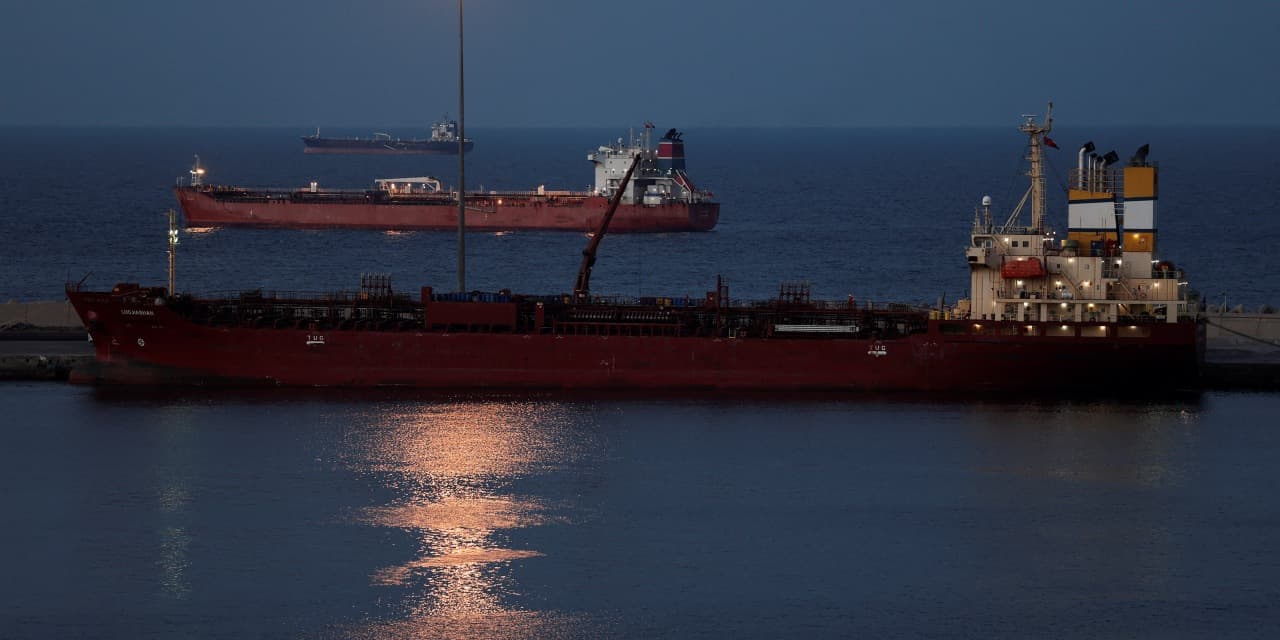
The Strait of Hormuz, a critical maritime chokepoint for oil shipments, has been effectively shut down by Iran, prompting Gulf oil producers to urgently seek alternative routes for their oil exports. This strategic waterway typically facilitates the passage of approximately 20 million barrels of oil daily, and its blockade has sent shockwaves through global oil markets, raising concerns about supply stability and price volatility.
The Iranian blockade is a direct response to escalating military tensions in the region, particularly targeting perceived threats from U.S. and Israeli forces. In light of this precarious situation, major oil-exporting nations, notably Saudi Arabia and the United Arab Emirates (UAE), are increasingly relying on pipelines that bypass the Strait of Hormuz to ensure the continuity of their oil exports.
The Saudi East-West pipeline, which connects oil fields directly to the Red Sea port of Yanbu, has ramped up its output significantly. According to recent reports, the pipeline's output surged from an average of 1.7 million barrels per day (mb/d) in 2025 to a record 5.9 mb/d as of March 9, 2026. This substantial increase underscores the urgency with which Saudi Arabia is responding to the blockade.
Similarly, the UAE is maximizing the capacity of its Habshan-Fujairah pipeline, further reducing its dependence on the vulnerable shipping route through the Strait. Data from the International Energy Agency (IEA) indicates that flows through these alternative routes have begun to rise and are expected to continue increasing in the coming weeks. This pivot not only helps maintain oil exports but also aims to stabilize global oil prices, which have already experienced significant volatility due to the ongoing conflict.
As international observers analyze the potential impacts on oil supply chains, concerns are mounting regarding the implications for global energy markets as tensions in the region escalate. The current geopolitical landscape raises critical questions about the long-term viability of maintaining uninterrupted energy supplies amidst rising conflicts and the continued need for strategic diversifications in oil transportation routes.
With U.S. military assets closely monitoring Iran's activities, regional dynamics may continue to shift, prompting further adaptations among oil-exporting nations reliant on the Strait of Hormuz. Market analysts and policymakers globally will be closely watching the implications of these developments on oil prices and supply stability in the months ahead.
Published by Banx Network. This article is part of the Banx decentralized media programme, powered by the BXE token on the XRP Ledger.



