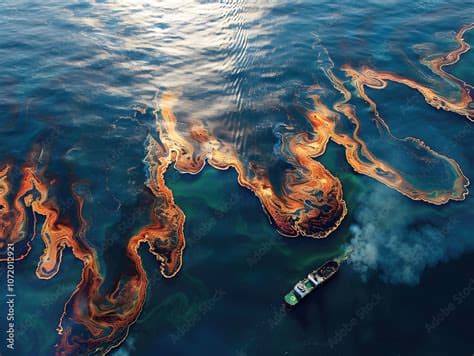
A significant oil spill in the Gulf of Mexico has exacerbated environmental concerns, as the spill has spread over hundreds of miles, leading to devastating consequences for local ecosystems and wildlife. The incident has raised alarms among environmentalists and communities dependent on the Gulf's natural resources.
Reports indicate that the spill originated from a malfunctioning offshore drilling operation, quickly releasing large quantities of crude oil into the water. As the oil spreads, it poses serious risks to various species, including fish, seabirds, and marine mammals, disrupting their habitats and food sources.
Efforts to contain the spill have faced numerous challenges due to adverse weather conditions and the sheer magnitude of the disaster. Cleanup operations are ongoing, but the long-term ecological impact remains uncertain. The spill has not only affected the U.S. coast but has also reached areas of Mexico, contaminating vital marine reserves that are crucial for both biodiversity and local fisheries.
Authorities in both countries are collaborating to assess the damage and implement restoration plans, but the road to recovery may take years. The spill has reignited discussions about regulatory measures governing offshore drilling practices and the need for stricter safeguards to prevent future incidents.
Environmental advocates are calling for greater accountability from oil companies and urge for stronger policies to protect marine ecosystems. As the situation develops, the repercussions of the Gulf of Mexico oil spill will likely influence public perception regarding offshore drilling and environmental stewardship, emphasizing the urgent need for sustainable practices in the face of climate change.
Published by Banx Network. This article is part of the Banx decentralized media programme, powered by the BXE token on the XRP Ledger.