
Key Highlights
- Recent US-Iran talks lasted 21 hours without significant progress.
- The US seeks a commitment from Iran to abandon nuclear weapons plans.
- Control over the Strait of Hormuz remains a critical point of contention.
The recent 21-hour negotiations between the United States and Iran have underscored the deep divisions that persist between the two nations, particularly concerning nuclear enrichment and the strategic control of the Strait of Hormuz. This vital waterway is responsible for approximately 20% of the world's oil supply, making its security a matter of global concern. Despite the lengthy discussions, no substantial progress was made, primarily due to the entrenched positions held by both parties.
The US has been pushing for a binding commitment from Iran to abandon any ambitions related to nuclear weapons. In contrast, Iran maintains its stance on the right to continue uranium enrichment, which it views as essential to its national sovereignty. This significant gulf in interests complicates the negotiation landscape, with US Vice President JD Vance stating that the US has presented its "final and best offer," effectively placing the onus on Tehran to respond.
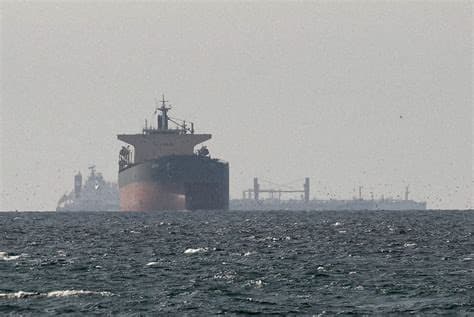
Iran's control over the Strait of Hormuz serves as a critical leverage point in these discussions. The strait has historically been a flashpoint for military and economic tensions, and Iran's insistence on its rights in this area raises the stakes for both sides. The US has indicated its readiness to ensure safe passage through this crucial corridor, which raises the specter of potential confrontations should diplomatic efforts fail.
Decades of mutual suspicion and historical conflicts further complicate the situation, with both nations viewing potential compromises as strategic losses. The ongoing tensions surrounding the Strait of Hormuz have already led to significant disruptions in energy supplies, and any prolonged negotiations could exacerbate volatility in global markets.
As these high-stakes conversations continue, the potential for a protracted diplomatic standoff looms large. The ultimate resolution of these issues will depend heavily on Iran's strategic decisions regarding its nuclear program and its control over the Strait of Hormuz. These factors remain critical not only for regional stability but also for global energy security, as the world watches closely for any signs of progress or escalation in this fraught diplomatic landscape.
Published by Banx Network. This article is part of the Banx decentralized media programme, powered by the BXE token on the XRP Ledger.



