Banx Media Platform logo
WORLDMiddle EastInternational OrganizationsHappening Now

Gulf Arab Nations Intensify Standoff with Iran, Claims IDF

The Israel Defense Forces (IDF) has reported that several Gulf Arab countries have escalated their confrontational stance against Iran, amid heightened tensions in the region. This geopolitical shift signals a growing alliance among these nations in response to perceived threats from Tehran.

M

Michael Barnes

EXPERIENCED
5 min read
9 Views
Credibility Score: 97/100
Gulf Arab Nations Intensify Standoff with Iran, Claims IDF

The Israel Defense Forces (IDF) recently asserted that some Gulf Arab nations are actively engaging in confrontations with Iran, reflecting a significant change in the regional balance of power. These nations, traditionally seen as cautious in their dealings with Iran, have increasingly adopted a more aggressive posture amid concerns about Tehran's nuclear ambitions and regional influence.

In recent months, incidents have arisen that showcase this newfound assertiveness. Gulf states, including Saudi Arabia and the United Arab Emirates, have reportedly intensified military readiness and established closer defense cooperation with Israel. This alignment is being interpreted as a consensus among these nations to counteract Iranian encroachment and support efforts to maintain regional stability.

Furthermore, there have been multiple instances of military exercises and joint operations among Gulf states aimed at reinforcing their defense strategies. Despite diplomatic overtures in the past, the rhetoric from these countries has shifted towards a more confrontational tone against Iran, with calls for collaborative defense initiatives.

Analysts suggest that this alignment is not just about military readiness but also signifies a deeper political and economic alliance that could redefine the Gulf’s regional landscape. With Iran's pursuit of advanced weapons technology and its support for proxy groups across the region, Gulf nations view a united front as essential to safeguarding their sovereignty and interests.

As tensions continue to simmer, the actions of the Gulf countries, as highlighted by the IDF’s statements, mark a pivotal moment in Middle Eastern geopolitics, with potential ramifications for global energy markets and international security.

Published by Banx Network. This article is part of the Banx decentralized media programme, powered by the BXE token on the XRP Ledger.
Decentralized Media

Powered by the XRP Ledger & BXE Token

This article is part of the XRP Ledger decentralized media ecosystem. Become an author, publish original content, and earn rewards through the BXE token.

Newsletter

Stay ahead of the news — and win free BXE every week

Subscribe for the latest news headlines and get automatically entered into our weekly BXE token giveaway.

No spam. Unsubscribe anytime.

Share this story

Help others stay informed about crypto news

Related articles

Keep exploring the latest stories.

View more
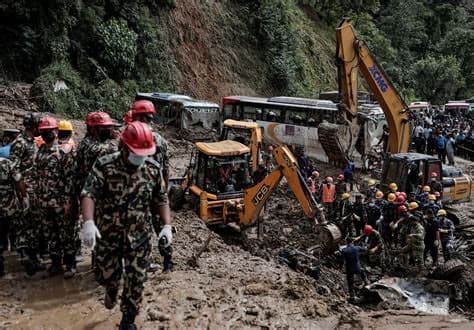
Deadly Flash Floods and Mudslides Cause Casualties in Nepal and China

Deadly Flash Floods and Mudslides Cause Casualties in Nepal and China

Flash floods and mudslides in Nepal and China have caused deaths, damaged infrastructure, and prompted emergency responses regionwide.

Beyond the Headlines: The Human Toll in Haiti

Beyond the Headlines: The Human Toll in Haiti

At least 47 people were killed and dozens kidnapped in a gang attack near Port-au-Prince, highlighting the escalating violence and humanitarian crisis in Haiti.

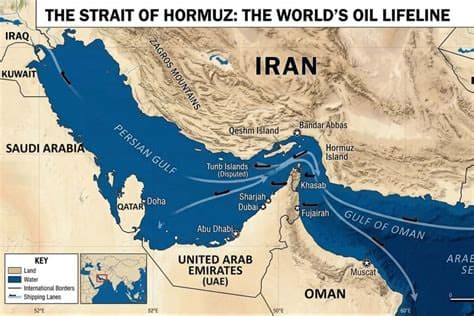
Iran and Oman Discuss Strait of Hormuz Shipping Corridor as Pakistan Seeks to Revive U.S.-Iran Talks

Iran and Oman Discuss Strait of Hormuz Shipping Corridor as Pakistan Seeks to Revive U.S.-Iran Talks

Iran and Oman are discussing a shipping corridor through the Strait of Hormuz as Pakistan seeks to restart U.S.-Iran negotiations.