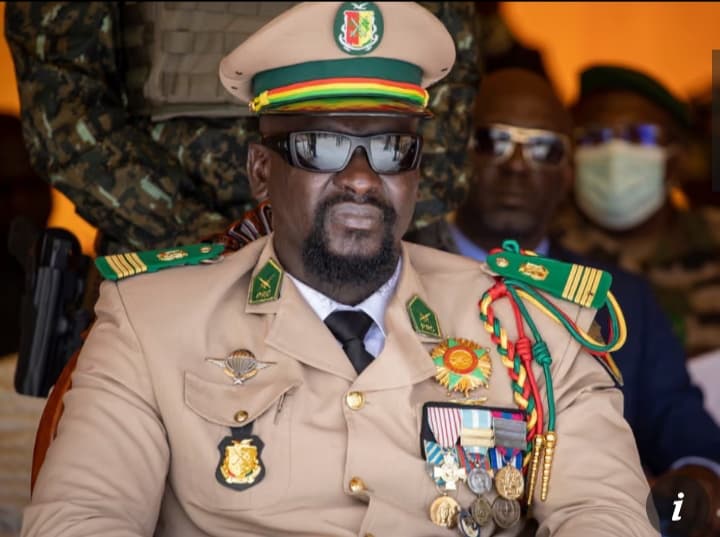
Guinea’s military junta chief has been declared the new president following an election that was largely boycotted by opposition parties. This outcome highlights ongoing tensions and political instability in the West African nation, which has faced significant upheaval since the coup that brought the junta to power.
The election saw low voter turnout as key opposition groups encouraged their supporters to abstain, arguing that the electoral process was flawed and lacked transparency. Many citizens viewed the elections as a facade aimed at legitimizing military rule rather than restoring democratic governance.
The junta, which seized power in a coup in September 2021, had promised a return to civilian rule but faced criticism over its slow pace in transitioning back to democracy. The immediate aftermath of the coup was marked by widespread protests, with citizens demanding an end to authoritarian rule and calling for free and fair elections.
Despite the opposition's stance, the junta chief campaigned vigorously for the presidency, promoting a narrative focused on stability and economic recovery. While supporters hailed the elections as a step towards governance, critics contend that the political environment remains repressive, with dissenting voices silenced.
The new president will face significant challenges, including addressing economic concerns, managing public discontent, and healing divisions within the country. The opposition's continued exclusion from the political process poses a risk of further unrest and instability in the months ahead.
International observers have voiced concerns regarding the electoral integrity, emphasizing the need for inclusivity and dialogue among all political factions. The response from the international community may also shape Guinea's political future, as external pressure for democratic reforms intensifies.
As Guinea navigates this new chapter under junta rule, the implications for democratic governance and citizen engagement remain uncertain. The coming months will be critical in determining whether the new administration will foster a more inclusive political environment or perpetuate cycles of exclusion and unrest.
Published by Banx Network. This article is part of the Banx decentralized media programme, powered by the BXE token on the XRP Ledger.