
Key Highlights
- Guinea holds its first election since the 2021 military coup.
- The ruling junta leader is expected to win amid limited opposition.
- Voter sentiment reflects a mix of hope and caution regarding political choice.
Polling stations across Guinea opened their doors early this morning, marking a significant moment in the nation’s political journey. This election, the first since the military coup in 2021, represents a formal return to the ballot box. However, the atmosphere is tinged with uncertainty as voters approach the polls, aware that the political landscape has been dramatically reshaped in recent years.
The military junta, which seized power two years ago, has framed its rule as a necessary pause in Guinea's democratic process. Officials have emphasized the need for stability and order, presenting this election as the culmination of a transition period. Yet, the reality is that the political competition has been severely limited, with the junta leader expected to secure a decisive victory against a backdrop of restricted opposition.
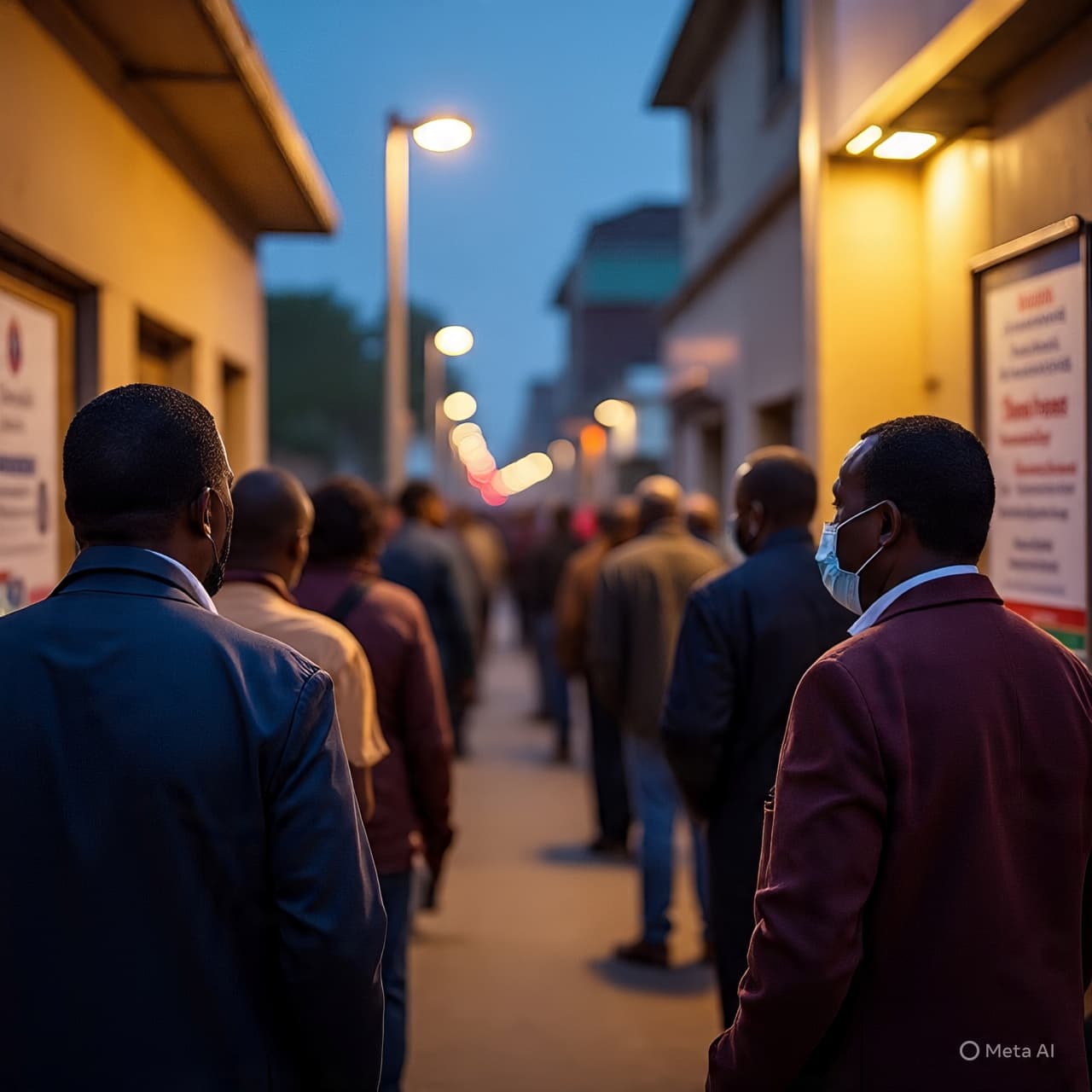
Many Guineans are approaching the polls with mixed emotions. For some, voting is seen as a civic duty, a chance to affirm a sense of continuity after years of political upheaval. Others, however, are more cautious, recognizing the constraints on political expression and the absence of familiar opposition figures. The streets of Conakry are orderly, with modest queues forming outside polling stations, but the mood is subdued, reflecting a nation grappling with the implications of its electoral choices.
The opposition landscape has been significantly altered since the coup. Key political leaders remain sidelined or banned from participating in the election, leaving a void in the political discourse that once energized public debate. As a result, the ballot has become less a tool for genuine choice and more a mechanism for legitimizing the existing power structure. This shift raises questions about the true nature of democracy in Guinea and whether the act of voting can still hold meaningful significance.
International observers are closely monitoring the election, noting both the technical organization of the voting process and the broader context in which it occurs. Regional and global actors have long urged Guinea to return to civilian rule, emphasizing the importance of inclusivity, transparency, and genuine competition. Their responses to this election are likely to reflect a cautious acknowledgment of the process rather than outright endorsement, balancing diplomatic realism with concerns about the state of democracy in the country.
For the junta leader, a victory in this election would provide a veneer of legitimacy, reinforcing authority through procedural means rather than through genuine political rivalry. This outcome could potentially open a new chapter in Guinea's governance, one that is less defined by military force and more by formal mandate. However, whether this new chapter will expand political freedoms or maintain existing controls remains uncertain.
As ballots are cast and counted, the implications of this election will unfold over time. Institutions will not transform overnight, nor will public trust be restored immediately. Yet, this election will serve as a reference point in Guinea's political history — a moment when the country returned to the polls, even if the meaning of that vote continues to be a subject of debate.
When the polling stations close and results are announced, Guinea will quietly move forward. The headlines will record a winner, but the deeper narrative lies in the ongoing negotiation between participation and power, as the nation grapples with its past and cautiously navigates its future.
Published by Banx Network. This article is part of the Banx decentralized media programme, powered by the BXE token on the XRP Ledger.



