In the heart of Central Africa, the shadow of Ebola once again looms large. As cases surge in the Democratic Republic of the Congo, neighboring countries are tightening their defenses, aware that viruses do not respect borders. This renewed vigilance is not born of panic, but of hard-learned lessons from past outbreaks. It is a collective effort to protect communities through preparation, surveillance, and solidarity.
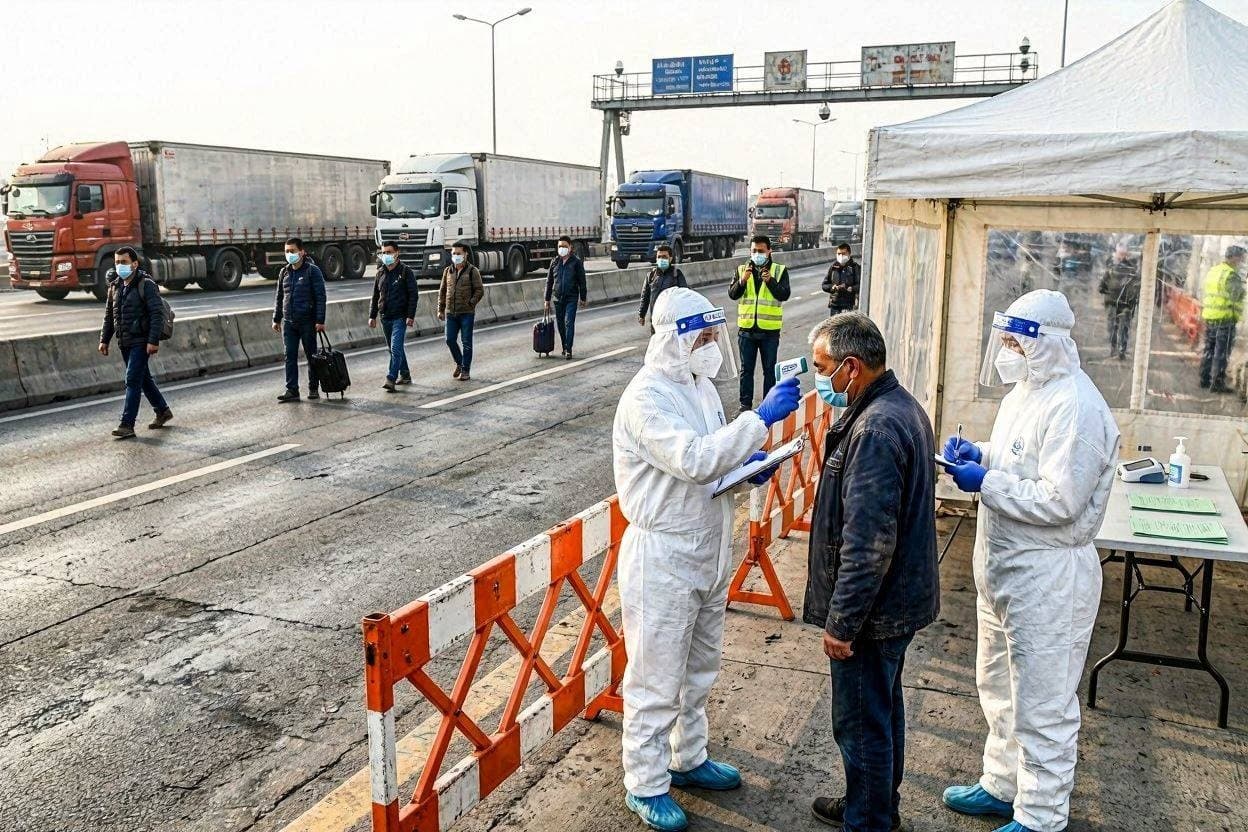
The current outbreak, caused by the Bundibugyo virus, has seen a significant rise in confirmed cases and deaths. In response, nations such as Uganda, Rwanda, and Zambia are enhancing border screening and disease surveillance. Health workers are being trained to identify symptoms early, and emergency supplies are being stockpiled to ensure a rapid response if the virus crosses international lines.
The World Health Organization has emphasized the importance of regional cooperation. By sharing data and resources, countries can create a buffer zone that slows the spread of the disease. This collaborative approach is crucial in a region where movement across borders is common for trade, family visits, and daily life. Effective communication between health authorities is key to maintaining this defensive network.
Community engagement plays a vital role in prevention. Local leaders and health workers are educating populations about hygiene practices, safe burial procedures, and the importance of seeking medical help early. Trust in health systems is essential, as fear and misinformation can hinder effective response efforts. Building this trust requires transparency and consistent presence in affected areas.
The logistical challenges are substantial. Remote regions often lack adequate healthcare infrastructure, making containment difficult. International organizations are stepping in to provide support, including laboratory capacity, personal protective equipment, and vaccination teams. These efforts aim to strengthen local systems so they can withstand the pressure of an outbreak.
For the people living in these regions, the threat of Ebola is a recurring reality. The psychological impact of living under the shadow of an epidemic is profound, affecting daily routines and social interactions. Support services are being expanded to address not just physical health, but also mental well-being, recognizing the holistic nature of crisis response.
Scientific advancements, such as improved vaccines and treatments, offer hope. However, their distribution requires careful planning and cold-chain logistics. Ensuring that these tools reach the most vulnerable populations is a priority for global health agencies. The success of the response depends on the speed and equity of this delivery.
As the situation evolves, the focus remains on containment and care. The resilience of the communities involved is a testament to their strength and adaptability. With continued support and vigilance, there is hope that the outbreak can be controlled before it spreads further.
The surge in Ebola cases in the DRC serves as a stark reminder of the fragility of public health in conflict-affected regions. Neighboring countries’ preparedness efforts reflect a commitment to regional stability and human safety. Through cooperation and compassion, the world can better withstand the challenges of infectious disease.
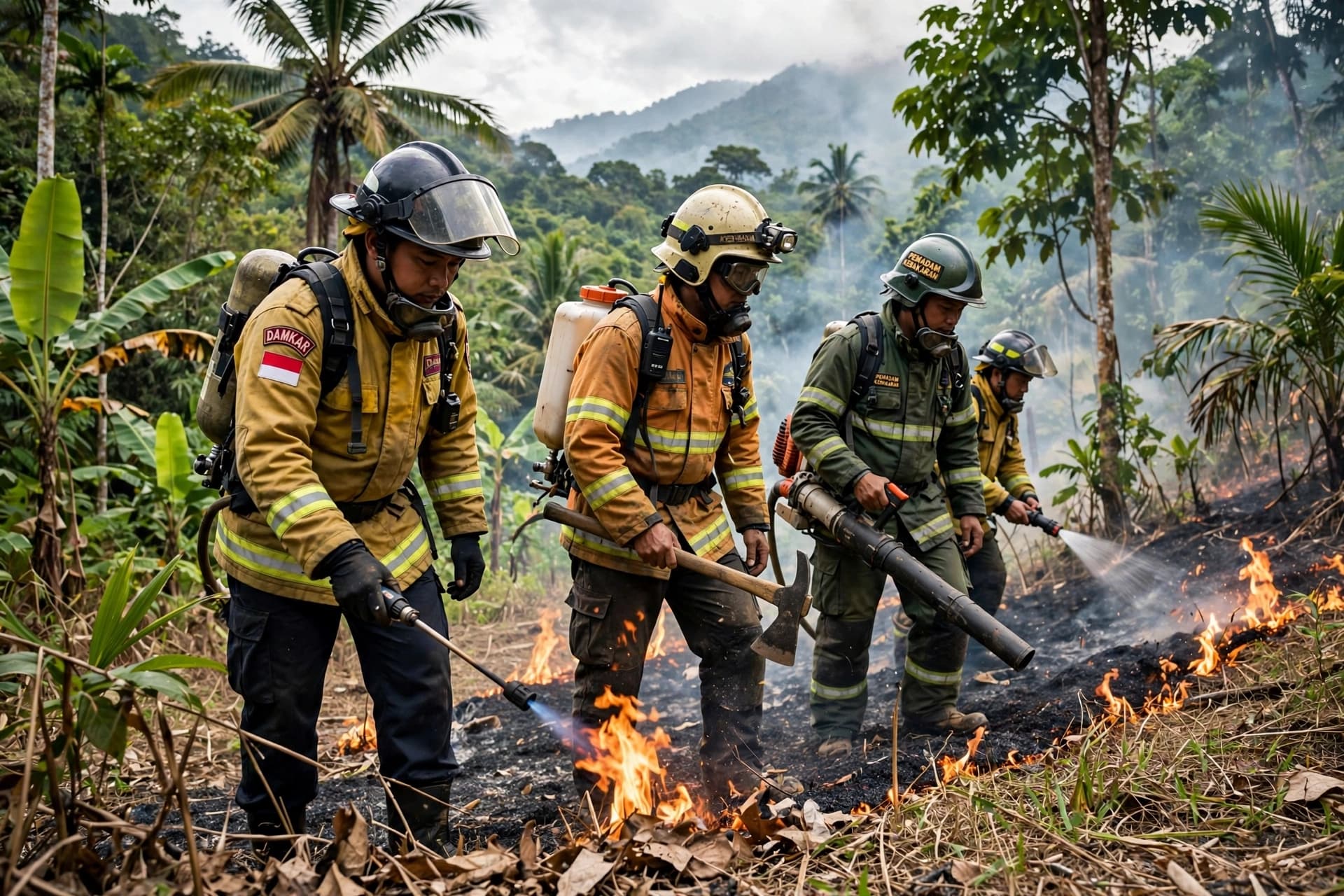
AI Image Disclaimer: Images included here are AI-generated representations of health workers and border screening scenarios, intended to illustrate the theme of regional preparedness.
Sources: World Health Organization (WHO) Al Jazeera ReliefWeb European Centre for Disease Prevention and Control
Published by Banx Network. This article is part of the Banx decentralized media programme, powered by the BXE token on the XRP Ledger.