
Key Highlights
- Vaccines play a crucial role in preventing diseases before they develop.
- The HPV vaccine significantly reduces the risk of cervical and other cancers.
- Hepatitis B vaccination protects against long-term liver complications.
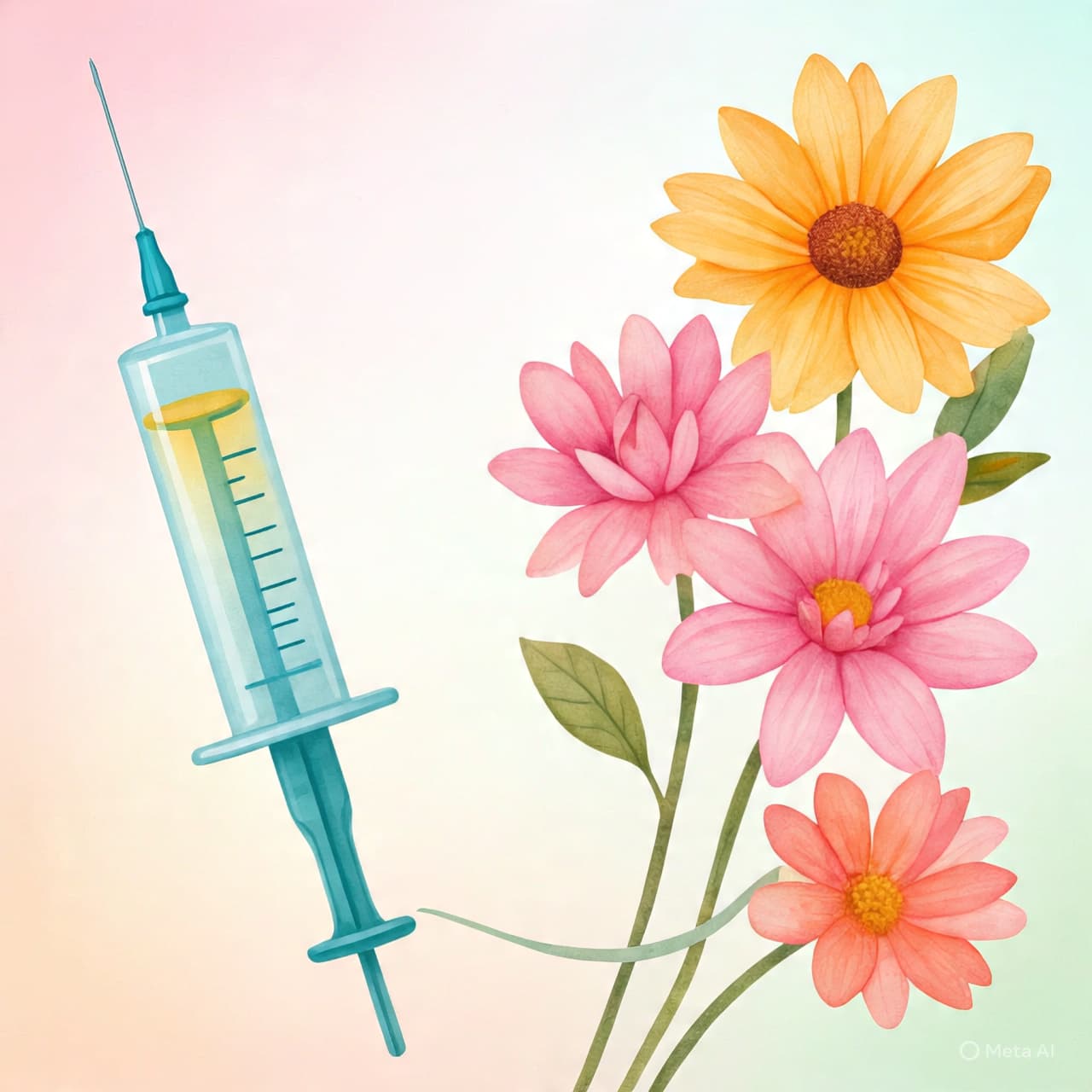
Vaccines have long been heralded as one of the most effective tools in public health, acting as a first line of defense against various diseases. As we delve into the future of medicine, the focus is shifting towards vaccines that not only prevent acute infections but also serve as proactive measures against chronic diseases, including cancer. This innovative approach underscores the importance of early vaccination, particularly in adolescents, to ensure long-term health benefits.
One of the most notable examples of this preventive strategy is the Human papillomavirus (HPV) vaccine. HPV is a prevalent virus that can lead to several types of cancer, most notably cervical cancer. By vaccinating individuals at a young age, ideally before they become sexually active, we can significantly reduce the incidence of high-risk HPV strains. This proactive measure not only protects individuals from immediate infection but also diminishes the likelihood of cancer development later in life, showcasing the vaccine's role as a guardian against future health issues.
Similarly, the Hepatitis B (HBV) vaccine serves as a critical tool in preventing chronic liver disease and liver cancer. Chronic HBV infections can remain asymptomatic for years, leading to severe liver damage and complications. The vaccine effectively prevents the virus from establishing itself in the body, thereby safeguarding individuals from the long-term consequences associated with chronic infection. This early intervention highlights the vaccine's importance in cancer prevention and overall health maintenance.
Beyond cancer prevention, vaccines also play a vital role in protecting against acute infections that can lead to chronic health issues. For instance, vaccines for pneumococcal disease and influenza are essential in reducing the risk of severe complications, particularly for vulnerable populations such as the elderly or those with pre-existing health conditions. By preventing these acute infections, vaccines help maintain long-term health and reduce the burden of chronic diseases that may arise from untreated infections.
The narrative surrounding vaccines is evolving, emphasizing the importance of preventive care in maintaining health. Rather than waiting for diseases to manifest, the focus is on making informed decisions today that will benefit our health in the future. Vaccines represent a proactive approach to health, akin to nurturing a forest ecosystem where each decision contributes to the overall vitality of the environment.
As we continue to embrace vaccines not only for childhood illnesses but also as a means of preventing chronic diseases, we affirm our commitment to resilience and health preservation. The message is clear: prevention is not merely a strategy; it is a gift we give to ourselves and future generations, ensuring a healthier tomorrow.
Published by Banx Network. This article is part of the Banx decentralized media programme, powered by the BXE token on the XRP Ledger.



