In the days following a devastating act of violence on Sydney’s Bondi Beach — a Hanukkah celebration turned massacre that shook a nation — echoes of grief have rippled outward into Australia’s political and legal landscape. The sorrow has not only been marked by mourning and solidarity but by an urgent dialogue among lawmakers about how to protect communities, curb rising hatred, and uphold public safety. As Australia contemplates new laws to restrict hate speech and expand powers to limit protests following terror incidents, it finds itself navigating the delicate terrain between safeguarding citizens and preserving the freedoms that form the bedrock of its democracy.
On one front, federal and state governments have moved swiftly to strengthen hate speech laws. Following the Bondi attack ‒ widely investigated as an act of antisemitic terrorism ‒ leaders including Prime Minister Anthony Albanese and New South Wales Premier Chris Minns are backing legislative reforms aimed at cracking down on inflammatory rhetoric, extremist symbols, and “dehumanising” language. These proposals include making the public display of terrorist symbols — such as those linked to Islamic State or other extremist groups — a punishable offence, expanding police powers to require removal of face coverings at assemblies, and broadening the legal definition of hate speech to better capture incitement and division online and offline.
The proposed hate laws seek not just to punish the most egregious expressions of hatred but to empower authorities to reject or cancel visas for individuals whose words or actions are seen as spreading division. Federal measures would also toughen penalties for those found guilty of offences involving violence or encouragement of discrimination, while NSW is considering criminal sanctions of up to two years’ imprisonment or substantial fines for offenders.
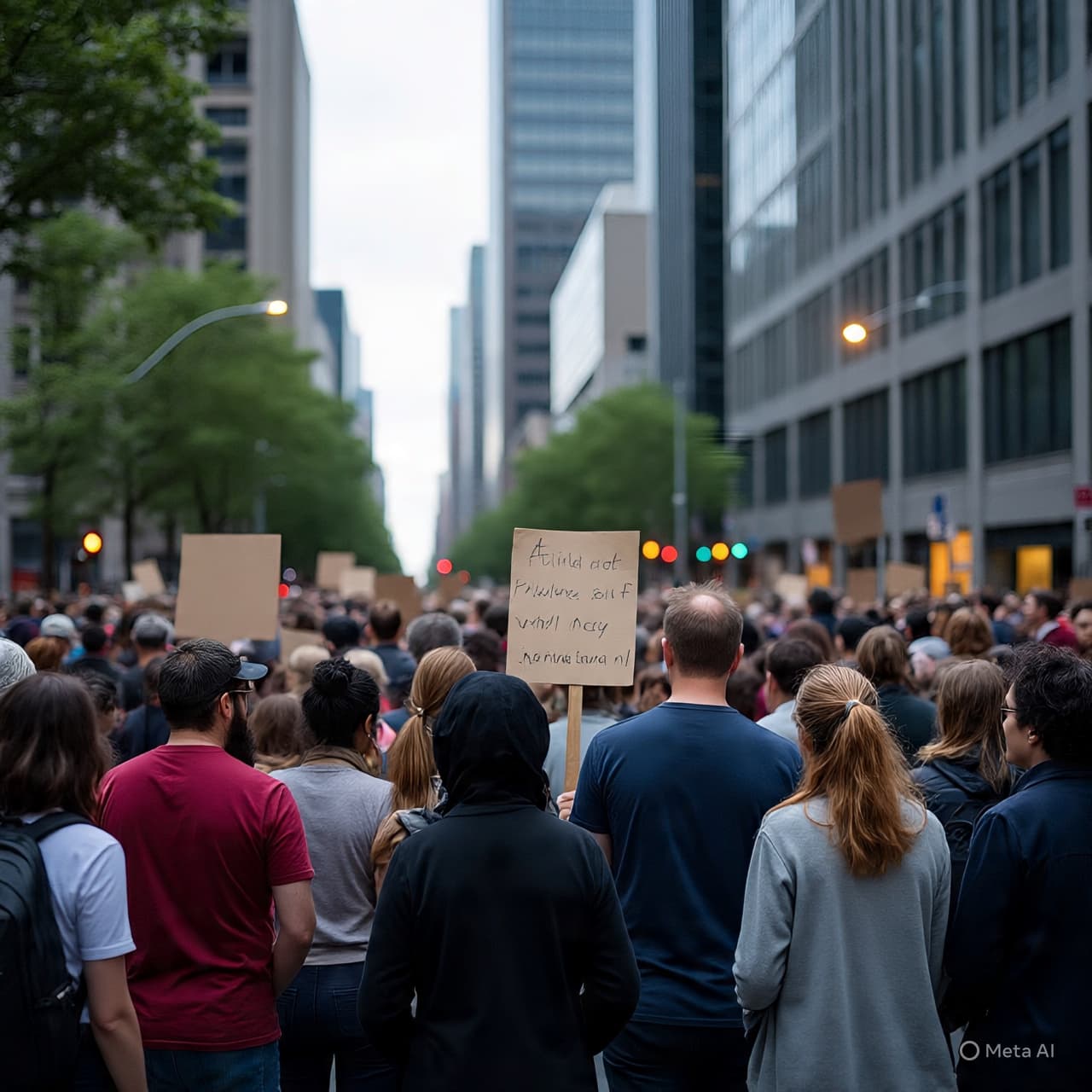
Yet on another front, the debate has extended beyond what words are permitted to what actions are allowed — particularly the right to protest. In NSW, the government has drafted measures that could empower the police commissioner to suspend public assemblies after a terrorism declaration, with a suspension potentially lasting weeks and renewed for up to three months in specific areas or statewide. Such provisions have been framed as temporary safeguards to prevent mass demonstrations that could inadvertently contribute to community tensions in already fraught moments.
These moves have sparked intense public discussion. Supporters insist that in the shadow of extreme violence and rising hate incidents, the state must act decisively to ensure that hateful or violent conduct — whether shouted on a street corner or posted online — does not metastasise into further harm. They argue that clearer hate crime definitions, tougher penalties, and broader police authority are necessary tools to protect vulnerable communities and maintain public order.
But critics counter with a cautionary refrain: restricting protests and broadening police powers risks undermining fundamental civil liberties. Civil liberties advocates note that Australia’s right to peaceful protest and freedom of expression — both implicit in its constitutional framework and enshrined in international human rights obligations — should not be eroded in response to fear and anger. They argue that banning protests, especially based on broad criteria that may ensnare lawful dissent, could set a troubling precedent for future political expression long after the immediate crisis has passed.
For many Australians, the heart of the debate is not merely legal text but lived experience: how to balance the need for safety and protection with the rights to voice dissent, disagree publicly, and assemble peacefully. Human rights experts remind policymakers that hate speech and violent incitement can justifiably be restricted under international law, but protest rights should only ever be limited when truly necessary and proportionate, and never solely on the basis of the ideas expressed.
As the parliament prepares to resume deliberations and possibly fast‑track some of the proposed laws, the nation stands at a crossroads. The memory of tragedy fuels the urgency to act; the promise of democratic freedoms compels restraint. In this interplay between security and liberty, the story of how Australia chooses to legislate will likely resonate far beyond the immediate moment — shaping public life and civic engagement for years to come.
AI Image Disclaimer “Visuals are created with AI tools and are not real photographs.”
Sources The Guardian — NSW protest restrictions after Bondi attack. ABC News — toughened hate speech laws used and reworking. SBS News — proposed bans on terrorist symbols and police powers. SBS — critics warn protest bans won’t stop hatred. Reuters — broader context after Bondi terror attack and hate laws.
Published by Banx Network. This article is part of the Banx decentralized media programme, powered by the BXE token on the XRP Ledger.