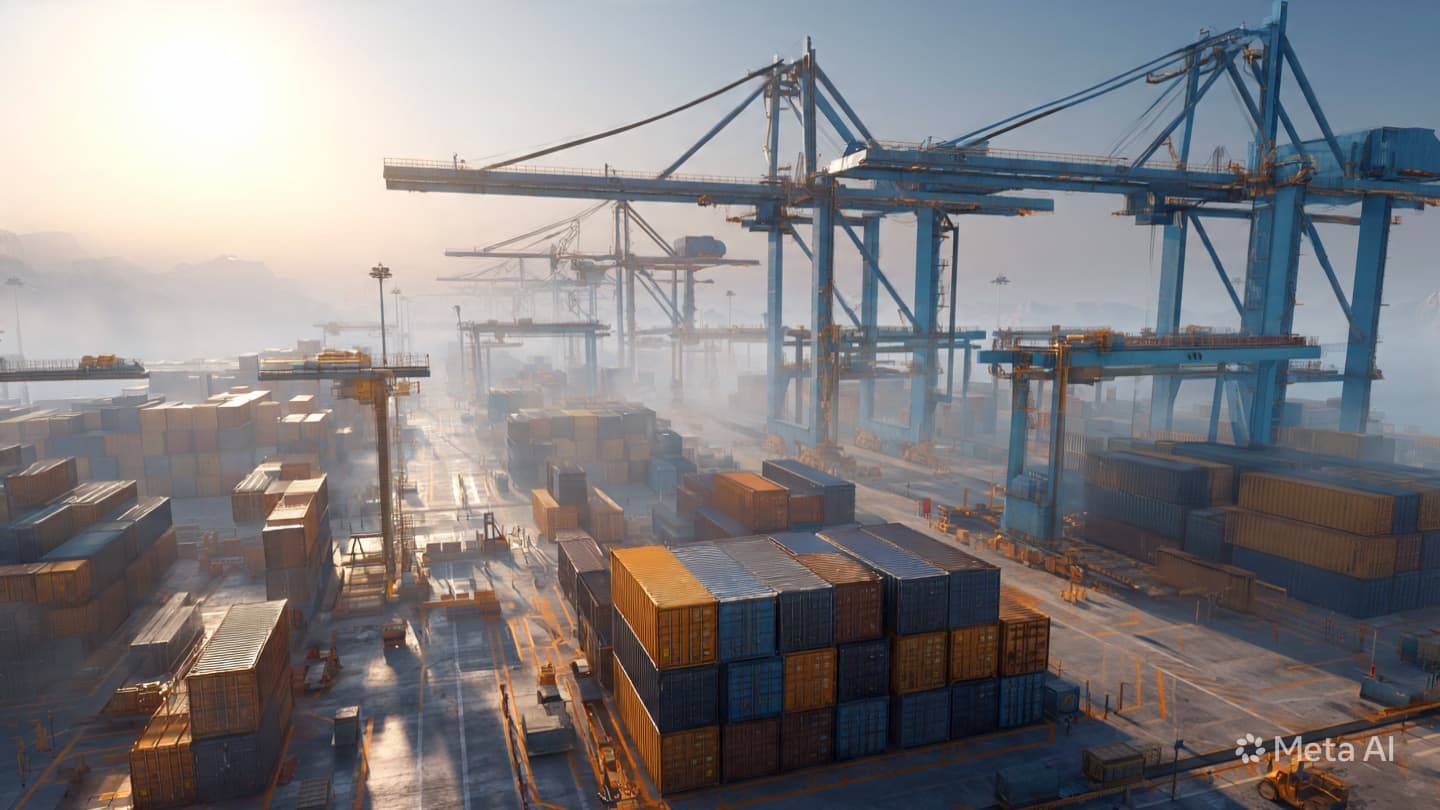
The ports of Oman have long served as the grand, silent sentinels of the Arabian Peninsula, where the rhythmic arrival of container ships mirrors the pulse of a global economy. Yet, in these bustling spaces, a quiet, technological transformation is underway. The customs authorities, recognizing the increasing sophistication of the illicit networks that seek to infiltrate the region, have begun to implement a more robust architecture of cargo screening. It is a development that moves beyond the traditional, manual inspection, favoring instead a layered, systematic approach that relies on the marriage of human expertise and advanced mechanical oversight.
This is not merely a matter of checking manifests; it is an exercise in discerning the anomalous from the routine. In the vast, organized chaos of a modern port, the challenge is to maintain a state of perpetual readiness, where every container is a potential narrative that must be read with care. The new screening protocols, supported by international best practices, are designed to create a sieve that is both fine enough to capture the smallest illicit shipment and efficient enough to allow the steady, life-giving flow of legitimate commerce to continue unhindered.
The atmosphere in these inspection facilities is one of focused, almost meditative, discipline. The personnel who operate the scanning equipment and analyze the resulting imagery are the front-line guardians of the region’s integrity. They work with a narrative distance that is necessary for their craft, viewing the contents of the world’s trade with a detached, analytical eye. It is a work of high responsibility, where a single, well-placed suspicion can prevent a cascade of instability from entering the regional market.
International support, particularly from agencies like the UNODC, has been instrumental in this evolution. By providing access to the latest in screening technology and training, these partnerships have allowed the Omani customs service to elevate its operational capability to a global standard. This is not a static achievement but a process of continual improvement, where the feedback loop between the port and the regional security network ensures that the lessons of the field are immediately applied to the protocols of the dock.
The impact of these enhanced screenings extends well beyond the perimeter of the port. By making the Omani transit routes a more difficult environment for smugglers, the customs service is contributing to a wider, systemic improvement in regional security. It is a deterrent effect that operates quietly, causing illicit actors to reconsider the risks of their trade. In this way, the work of the customs officer becomes a vital part of the regional stability, ensuring that the borders remain secure against the currents of illicit trafficking.
Looking ahead, the commitment to this path remains firm. The integration of data analytics and artificial intelligence into the screening process is the next logical step in this journey, promising an even greater degree of precision in the identification of threats. It is a vision of the future where the customs process is fully synchronized with the complexities of modern trade, allowing for a seamless, secure, and efficient movement of goods that benefits the entire region.
The beauty of this system lies in its balance. It does not seek to stifle the movement of trade, but to liberate it from the suspicion and danger that come with illicit activity. By investing in the tools of transparency and oversight, Oman is setting a standard for the region, proving that security and trade can coexist in a relationship of mutual reinforcement. It is a quiet, ongoing construction of a safer, more predictable world, built one container at a time.
As the day comes to a close at the Omani ports, the work of oversight continues, a steady, rhythmic presence that ensures the integrity of the frontier. It is a contribution to the stability of the nation and the region that is often unseen, yet felt in the ease with which trade continues to flow. The Omani customs service, through its persistent focus on modern cargo screening, stands as a testament to the power of methodical, well-supported institutional growth in the face of transnational threats.
Oman Customs has significantly bolstered its cargo screening operations through the implementation of advanced detection technology and strengthened border procedures. Supported by the United Nations Office on Drugs and Crime (UNODC), this initiative aims to identify and intercept illegal shipments more effectively, ensuring the security of the country’s maritime and land transit hubs. By standardizing inspection protocols and fostering international intelligence collaboration, these efforts are designed to safeguard regional trade corridors against the influx of illicit contraband.
Published by Banx Network. This article is part of the Banx decentralized media programme, powered by the BXE token on the XRP Ledger.