Agriculture has always connected people to the land, but increasingly it also connects nations through shared challenges and opportunities. Food security, environmental sustainability, and population growth require solutions that extend beyond national borders. The Netherlands is responding by expanding international cooperation in sustainable agriculture.
The initiative focuses on sharing expertise, supporting innovation, and strengthening partnerships with countries seeking to improve agricultural productivity while reducing environmental impacts. These goals reflect growing global interest in sustainable food systems.
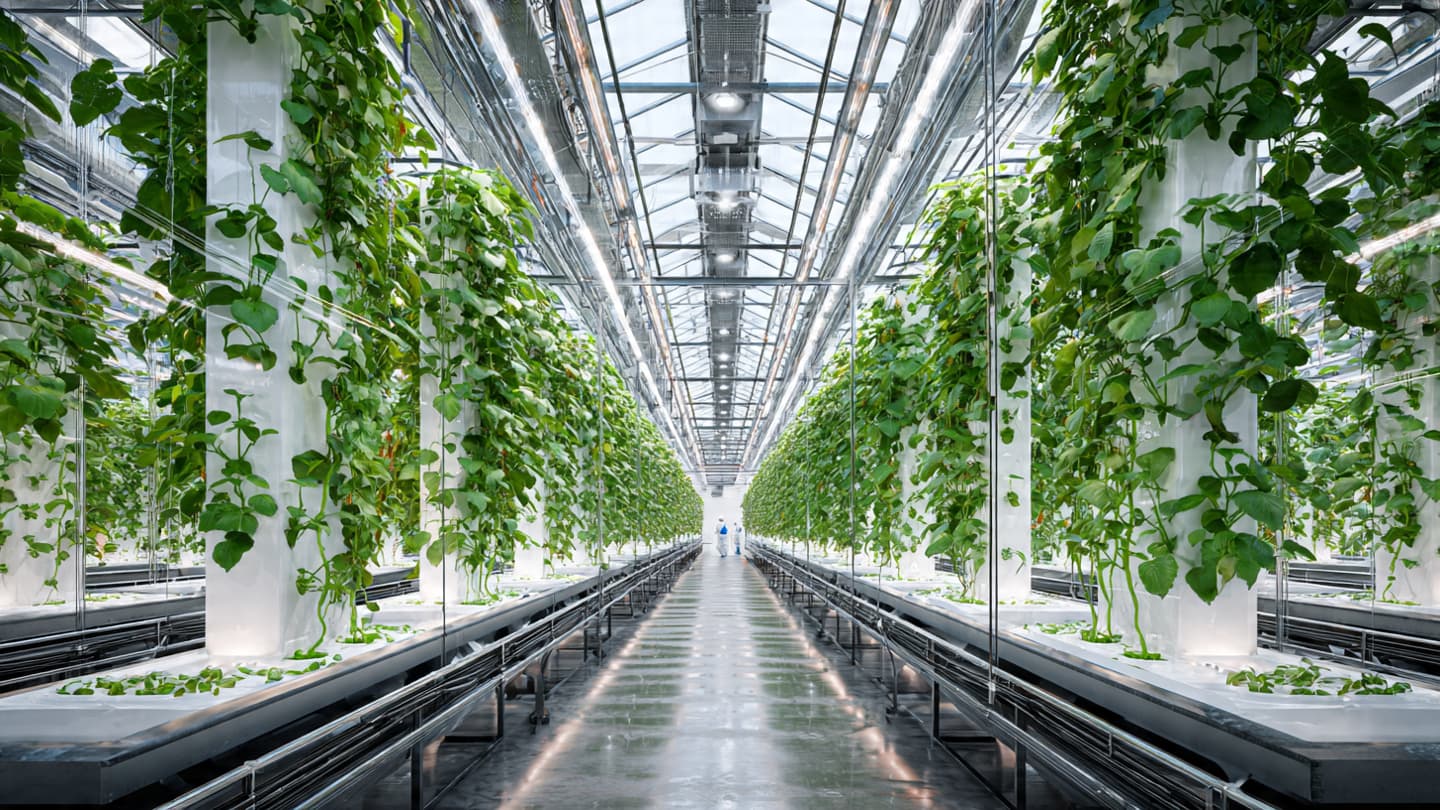
The Netherlands has earned international recognition for agricultural innovation. Advanced greenhouse technologies, efficient water management practices, and research-driven farming methods have helped position the country among the world's leading agricultural exporters.
International cooperation provides opportunities to share this knowledge. Through partnerships, governments, research institutions, and private-sector organizations can exchange ideas and develop solutions tailored to local conditions.
Sustainable agriculture seeks to balance productivity with environmental responsibility. Farmers face increasing pressure to produce more food while conserving natural resources and adapting to changing climate conditions. Innovation plays a central role in meeting these objectives.
Technology continues transforming the agricultural sector. Precision farming tools, data analytics, automated systems, and resource-efficient production methods are helping improve yields while reducing waste and environmental impacts.
Food security remains an important global concern. Population growth and shifting consumption patterns are increasing demand for agricultural products, making efficient and sustainable production systems more valuable than ever.
The Netherlands' international partnerships also support research and education. Collaborative projects allow scientists, students, and agricultural professionals to share expertise and accelerate the development of new solutions.
Economic opportunities accompany these efforts. Sustainable agriculture can create jobs, strengthen rural communities, and support trade relationships while contributing to environmental goals. Such benefits explain the growing interest in cooperative approaches.
As countries work together to address agricultural challenges, the Dutch initiative highlights a simple truth: many of the issues shaping the future of food require collective action. Through cooperation, innovation, and shared knowledge, sustainable agriculture can become not only a national objective but a global achievement.
Published by Banx Network. This article is part of the Banx decentralized media programme, powered by the BXE token on the XRP Ledger.