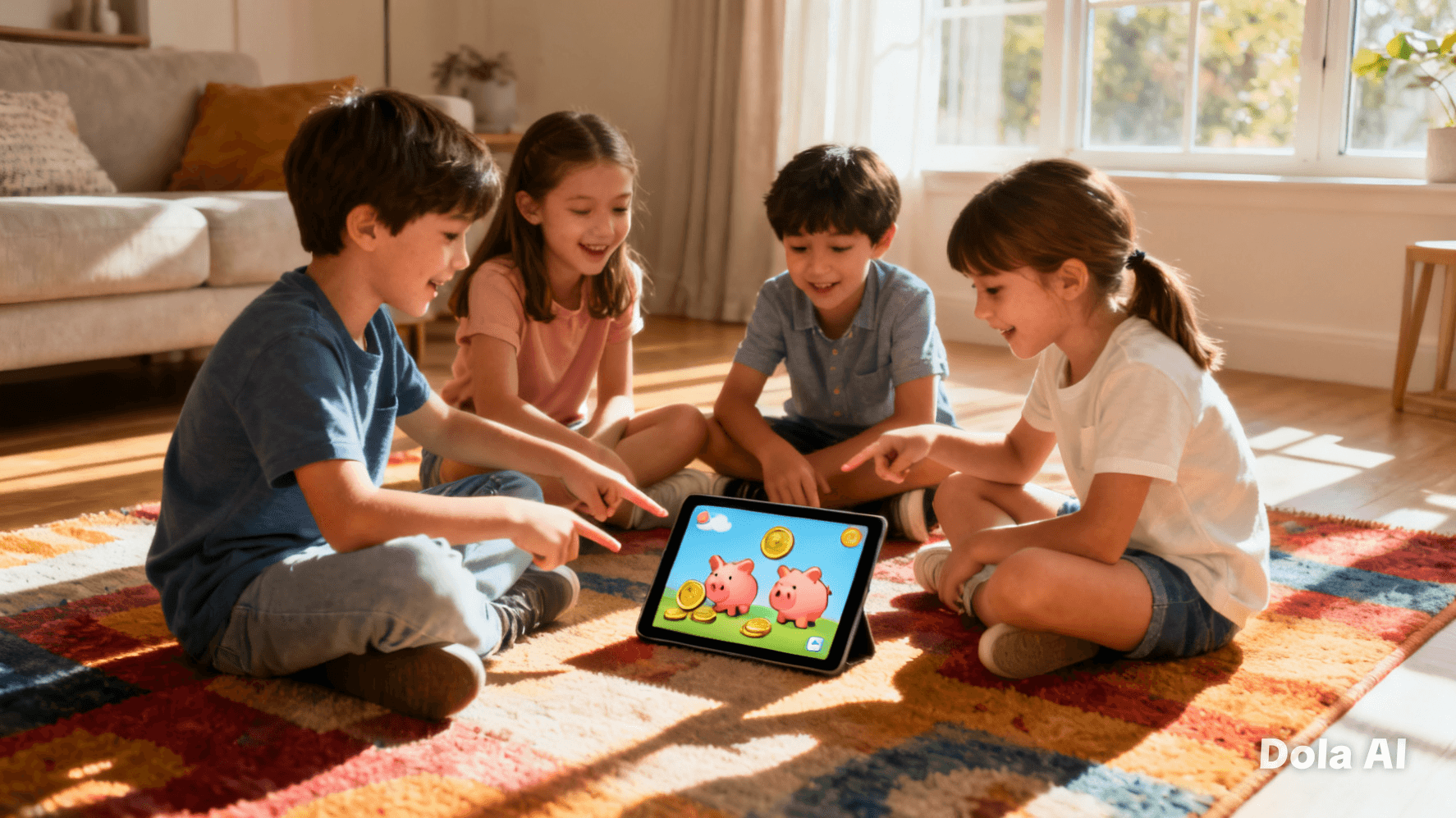
In the soft glow of a screen, or the earthy hum of a garden in spring, lessons about life sometimes emerge in the most unexpected places. For Kiwi children today, learning how to manage money isn’t just about counting coins in a piggy bank; it’s about understanding choices, consequences, and confidence. Across Aotearoa, businesses and community partners have stepped into this space with tools and programmes designed not just to educate, but to inspire — nurturing financial capability in ways that feel meaningful, accessible, and even joyful. These efforts acknowledge what many parents have long known: that the roots of a life-long habit — like saving wisely — begin long before adulthood.
At the heart of this shift lies MoneyTime, an online financial literacy programme built for Kiwi kids aged roughly 10–14. Blending interactive lessons with an engaging money-management game, MoneyTime lets students earn virtual money, make decisions about spending and saving, and explore how real-world financial concepts — like budgeting, investment, and borrowing — work. By transforming learning into a virtual journey where decisions carry consequence without risk, the programme helps young learners build a sense of agency over money long before they encounter their first bank account. Today, it’s used in hundreds of schools nationwide and has helped tens of thousands of students grow their money knowledge with measurable gains in understanding.
Enterprises like SquareOne are also reshaping how children experience money by giving them a more tangible sense of earning, saving, and spending. More than a lesson plan, SquareOne offers tools that allow children to interact with real-world money management in a controlled environment. By weaving practical financial experience with parental oversight, it brings to life the idea that financial literacy isn’t something to be understood later — it can start right now, with hands-on discovery and everyday decision-making.
And it isn’t just digital platforms that are making a difference. Rabobank, in partnership with the charity Garden to Table, has developed classroom-ready resources like Deep Pockets, Hōhonu te Pūkoro — a teaching unit that invites students to learn money skills through the rhythm of everyday activities like gardening and selling produce. This kind of approach reflects an enduring truth: learning rooted in lived experience, whether through soil or spreadsheets, is learning that stays with you.
These business-led initiatives intersect with broader movements in education and community support. With financial literacy set to become a core part of the national curriculum in the coming years, the work being done now by private innovators, educators, and community partners lays a foundation for young New Zealanders to step confidently into their financial futures. What these efforts share, beyond their methods, is a recognition that financial capability is not just a subject in a classroom, but a life skill that shapes aspirations, opportunities, and choices.
In an age marked by digital ubiquity and economic complexity, the act of saving — simple in its origins — has taken on renewed significance. Through new platforms, thoughtful curriculum resources, and partnerships that reach into schools and homes, Kiwi children are being equipped with the tools to navigate money with confidence, long before they step into adulthood. The journey from pocket money to purpose, from curiosity to capability, is less about numbers on a page and more about understanding value — of money, yes, but also of patience, decision and self-belief — lessons that will ripple through the rest of their lives.
AI Image Disclaimer “Images in this article are AI-generated illustrations, meant for concept only.”
Sources : MoneyTime website Rabobank/New teaching resource EdTechNZ SquareOne coverage
Published by Banx Network. This article is part of the Banx decentralized media programme, powered by the BXE token on the XRP Ledger.