Beneath the cobblestones and historic facades of Rome, a silent shift is taking place. The Eternal City, known for its enduring legacy and architectural grandeur, is facing a modern challenge that threatens its very foundation. Reports indicate that buildings across the Italian capital are experiencing subsidence, with cracks appearing in walls and structures settling unevenly into the earth. This phenomenon, while not new to geologists, has raised fresh concerns among residents and preservationists alike.
The primary cause of this subsidence is linked to the extraction of groundwater and the natural compression of the clay-rich soil beneath the city. As water tables drop due to prolonged droughts and increased urban demand, the ground loses its support, leading to gradual sinking. In some neighborhoods, the movement is subtle, barely noticeable to the casual observer. In others, however, the damage is visible, with fissures running through ancient palazzos and modern apartments.
Engineers and local authorities are monitoring the situation closely, using advanced technology to measure the rate of movement. Satellite data and ground sensors provide a detailed picture of which areas are most at risk. This information is crucial for planning interventions, such as reinforcing foundations or managing water resources more sustainably. The goal is to stabilize the ground before significant structural failures occur.
For homeowners, the news brings anxiety and financial worry. Repairing structural damage is costly, and insurance coverage can be complex. Many residents feel caught between the beauty of living in a historic city and the practical challenges of maintaining their homes. Community groups are advocating for greater government support and clearer guidelines on how to address subsidence-related issues.
The cultural heritage of Rome adds another layer of complexity. Many of the affected buildings are of historical significance, requiring specialized conservation techniques. Damaging these structures not only affects individual owners but also diminishes the city’s global treasure trove of art and history. Preservationists argue that protecting these landmarks is a collective responsibility that requires urgent action.
Climate change exacerbates the problem, with extreme weather events causing fluctuations in soil moisture. Periods of heavy rain followed by intense drought create a cycle of expansion and contraction in the ground, accelerating the wear on building foundations. Addressing this issue requires a holistic approach that considers both immediate repairs and long-term environmental strategies.
Local officials have begun implementing measures to manage groundwater usage and promote sustainable urban development. Public awareness campaigns encourage residents to report cracks and seek professional assessments early. By fostering a culture of vigilance and cooperation, the city aims to mitigate the risks associated with subsidence.
In the end, the story of Rome’s sinking buildings is a reminder of the delicate balance between human habitation and natural forces. It calls for innovation, care, and a deep respect for the ground beneath our feet. By addressing these challenges proactively, Rome can continue to stand tall, preserving its legacy for future generations.
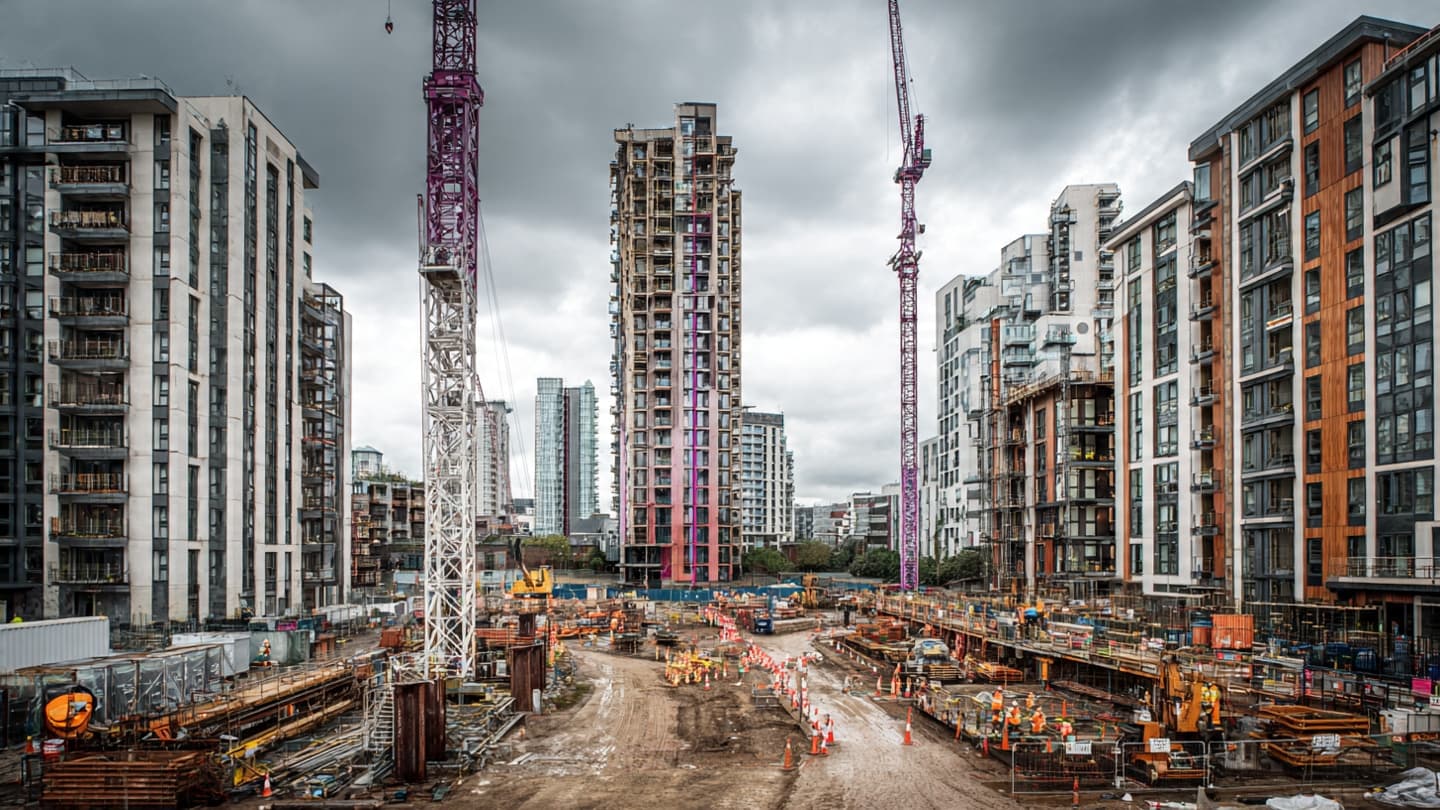
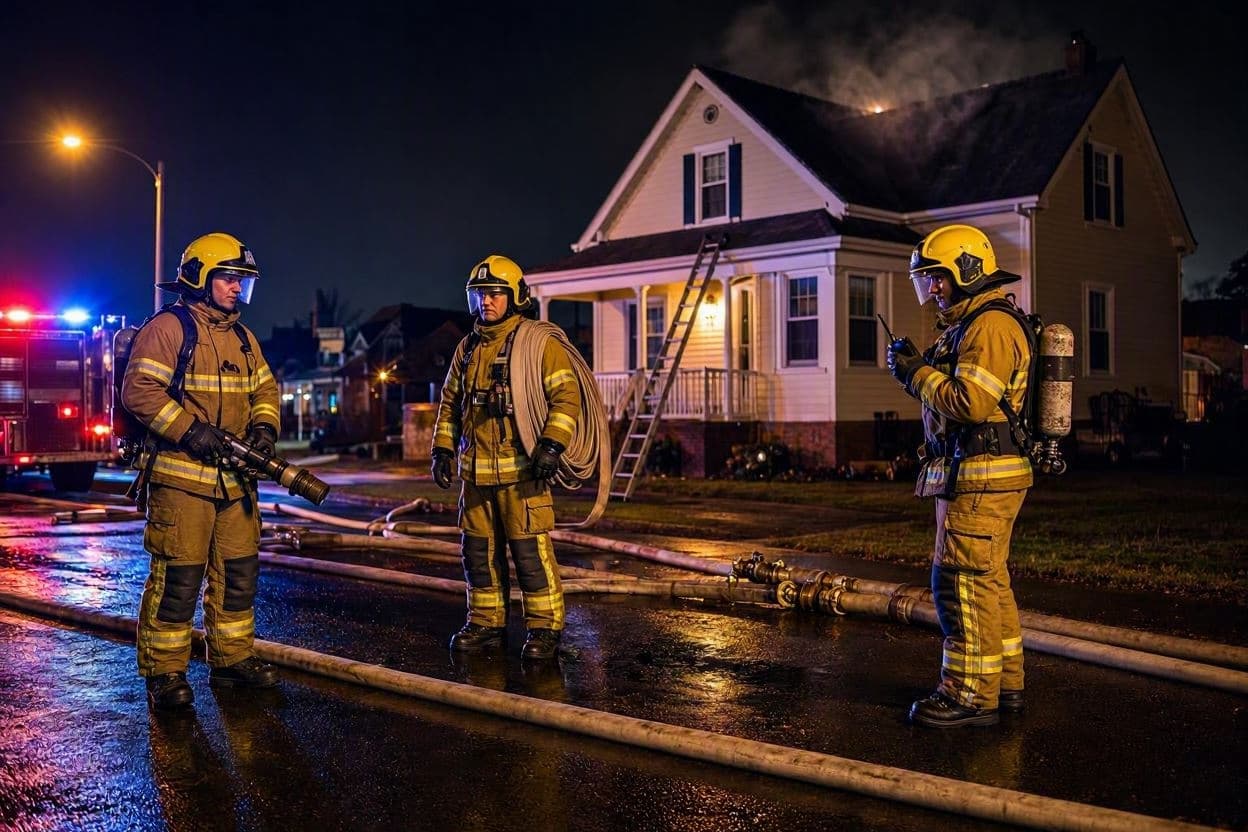
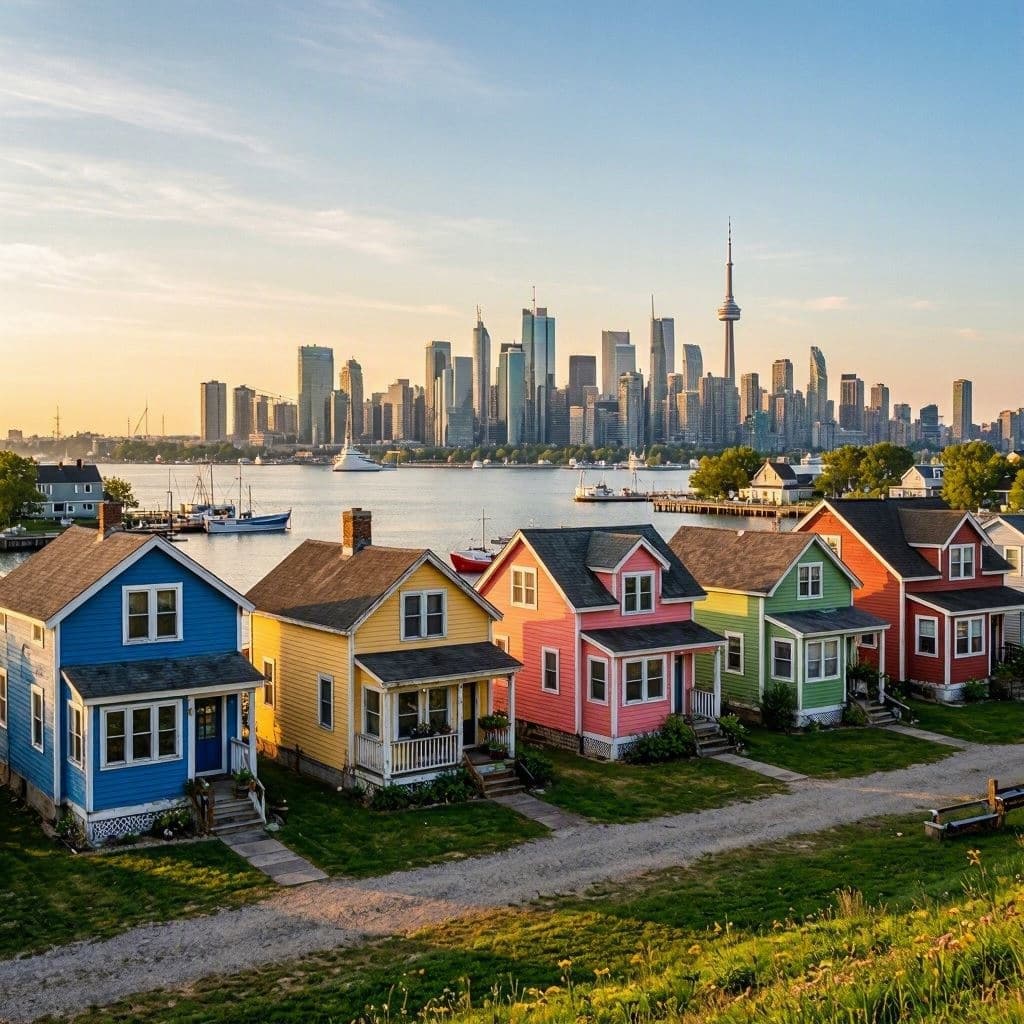
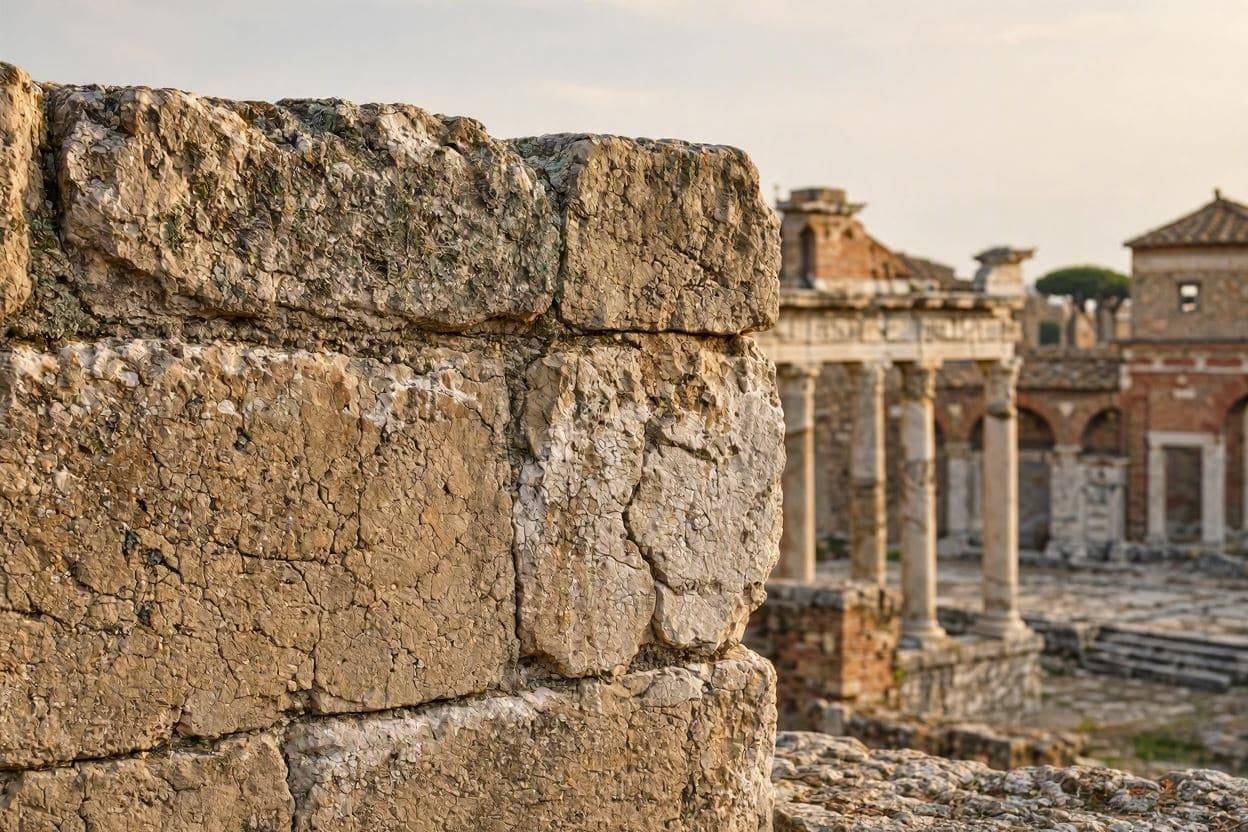
AI Image Disclaimer: The visual elements accompanying this article are AI-generated interpretations designed to illustrate the themes of urban subsidence and architectural preservation, without depicting specific real-world damaged buildings or individuals.
Sources: The Guardian, Reuters, ANSA, Il Messaggero
Published by Banx Network. This article is part of the Banx decentralized media programme, powered by the BXE token on the XRP Ledger.