Summer holidays are often synonymous with freedom, a time when roads fill with families eager to escape the routine of daily life. Yet, this season of leisure can quickly turn into a scene of frustration when infrastructure becomes a flashpoint for dissent. In Plymouth, a planned protest over tolls on the Tamar Bridge threatens to disrupt the annual exodus of travelers. What begins as a political statement may end as a logistical nightmare, reminding us how interconnected our movements are and how easily they can be halted.
Body: The Tamar Bridge, a vital link between Devon and Cornwall, has long been a subject of debate regarding its toll system. Protesters argue that the fees are unfair, particularly for local residents and businesses who rely on the crossing for daily commutes and trade. The proposed demonstration aims to highlight these grievances by causing significant delays, effectively bringing traffic to a standstill during one of the busiest travel periods of the year.
For thousands of holidaymakers, the timing could not be worse. The summer getaway period sees a surge in vehicle volume as people head to coastal destinations and rural retreats. Any disruption on a key artery like the Tamar Bridge can have ripple effects across the regional road network, leading to hours of congestion and missed appointments. The anxiety of being stuck in traffic contrasts sharply with the anticipation of relaxation.
Local authorities and police are preparing for the event, urging travelers to plan alternative routes and allow extra time for journeys. While the right to protest is a fundamental democratic principle, the impact on public services and individual plans raises questions about balance. Communities are divided, with some supporting the cause and others frustrated by the potential inconvenience.
The economic implications are also significant. Tourism is a major driver of the local economy, and disruptions can deter visitors or shorten their stays. Businesses that depend on summer trade, from hotels to restaurants, face uncertainty as the protest date approaches. The tension between civic activism and economic stability is a delicate one, requiring careful navigation by all parties involved.
Historically, similar protests have led to widespread discontent and calls for policy review. The effectiveness of such actions often depends on public sympathy and the willingness of decision-makers to engage in dialogue. For the protesters, the disruption is a necessary tool to draw attention to their cause. For the public, it is an unintended burden that tests patience and resilience.
Communication is key in managing the situation. Clear information about road closures, detours, and expected delays can help mitigate the chaos. Social media and local news outlets play a crucial role in disseminating updates, allowing travelers to make informed decisions. Transparency from organizers and authorities can reduce confusion and prevent unnecessary stress.
Closing: As the summer getaway approaches, the threat of chaos on the Tamar Bridge looms large. Whether the protest leads to meaningful change or merely temporary inconvenience remains to be seen. For now, travelers are advised to remain flexible and patient, navigating the complexities of a season where leisure and protest intersect.
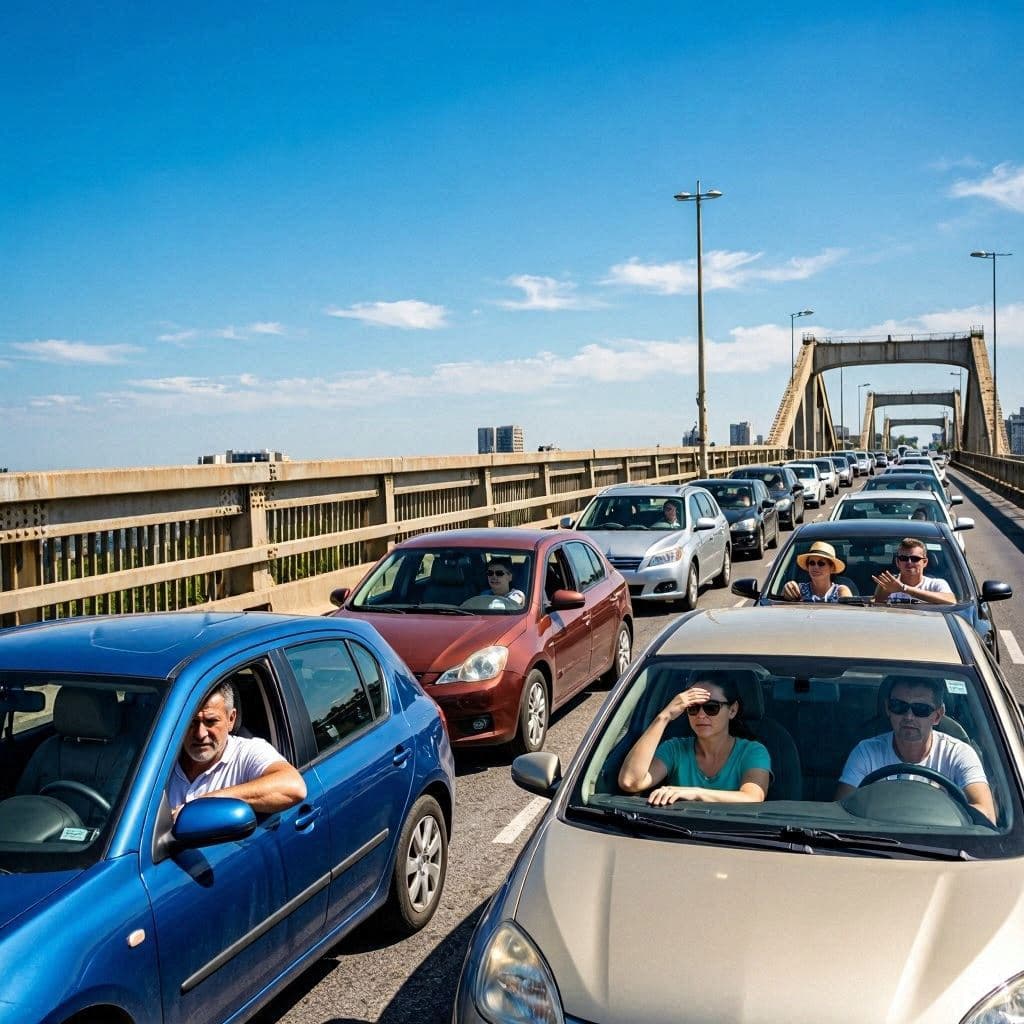
AI Image Disclaimer: Visuals in this article are AI-generated representations of traffic congestion and bridge structures, intended to illustrate the context of travel disruption without depicting specific real-world events.
Sources: BBC News Plymouth Live The Guardian Local Government Reports
Published by Banx Network. This article is part of the Banx decentralized media programme, powered by the BXE token on the XRP Ledger.