
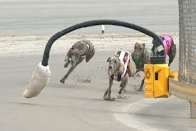
Key Highlights
- Greyhound racing bans are being implemented across Australia and beyond.
- Industry members express resignation as timelines for phase-outs are set.
- Advocacy groups highlight ongoing welfare risks and call for better oversight.
The future of greyhound racing is increasingly uncertain as various regions, particularly in Australia, move towards banning the sport. With governments establishing clear timelines for the phase-out of greyhound racing, many stakeholders within the industry are reportedly coming to terms with the inevitable changes. This shift is largely driven by growing concerns over animal welfare, which advocates argue have long been overlooked.
Supporters of the bans emphasize that greyhound racing poses significant welfare risks, including high rates of injury and death among the dogs involved. Reports have surfaced detailing inadequate living conditions for racing greyhounds, inadequate socialization practices, and a lack of transparency regarding the treatment of these animals from birth through retirement or rehoming. As these issues come to light, advocacy groups are calling for stronger measures to ensure the welfare of racing dogs, including improved traceability and auditing processes.
Despite the push for reform, many advocacy groups remain opposed to the continuation of greyhound racing in any form until these welfare concerns are adequately addressed. They argue that the current state of oversight is insufficient and that without significant changes, the risks to the dogs will persist. This sentiment is echoed by many within the industry, who, while they may have once supported the sport, now acknowledge the need for change.
As the bans take effect, the greyhound racing industry faces a significant transformation. Industry members are reportedly resigned to their fate, recognizing that the momentum for change is too strong to resist. This resignation reflects a broader societal shift towards prioritizing animal welfare over traditional sporting practices, a trend that is likely to continue as public awareness grows.
The implications of these changes extend beyond just the racing tracks. As greyhound racing winds down, there will be a pressing need for solutions regarding the future of the dogs themselves. Many advocates are calling for comprehensive rehoming programs to ensure that retired racing greyhounds can transition into suitable homes, rather than facing uncertain futures.
In conclusion, the impending bans on greyhound racing mark a significant turning point for the industry. As stakeholders grapple with the reality of these changes, the focus will increasingly shift towards ensuring the welfare of the dogs and finding sustainable solutions for their future. The conversation surrounding greyhound racing is evolving, and it remains to be seen how the industry will adapt in the face of these challenges.
Published by Banx Network. This article is part of the Banx decentralized media programme, powered by the BXE token on the XRP Ledger.



