

Key Highlights
- Former U.S. officials urge diplomacy over military action in Greenland.
- The letter emphasizes respect for Greenland's sovereignty and partnerships.
- Concerns arise amid renewed U.S. interest in Greenland's strategic value.
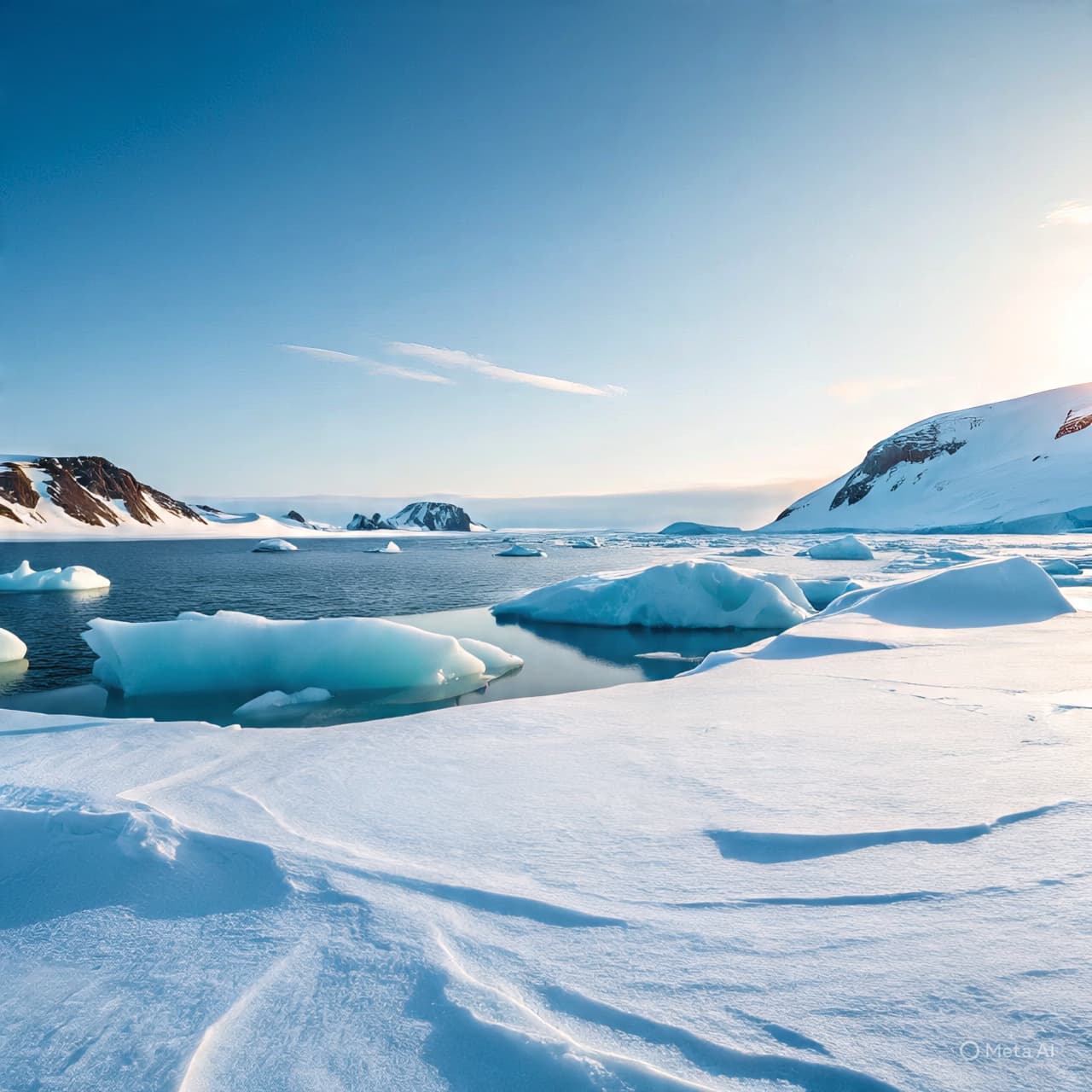
In the serene light of dawn, Greenland often appears untouched by the complexities of global politics, yet its significance in international relations is undeniable. In early January, a collective of 15 former senior U.S. officials, including diplomats and ambassadors, penned a letter to the Biden administration, urging a careful approach to Greenland's geopolitical status. Their message was clear: avoid transforming this tranquil territory into a site of military ambition.
The memo, addressed to key figures in the White House, State Department, and Congress, called for a reconsideration of any plans that might treat Greenland as a pawn in military strategy. Instead, these seasoned diplomats highlighted the importance of recognizing Greenland as a sovereign territory with a rich history of partnerships, particularly with Denmark and the United States. Their appeal was rooted in a legacy of mutual defense and cooperation, advocating for diplomacy over confrontation.
The letter serves as a reminder that the narratives surrounding distant lands often come wrapped in dramatic imagery—maps, missiles, and strategic calculations. However, the former officials emphasized a different kind of mapping: one that charts the geography of diplomacy and respect. Their perspective, shaped by years of service, underscores the notion that avoiding conflict can preserve the alliances that contribute to national security.
This appeal comes at a time of heightened global scrutiny regarding Greenland's strategic value in the Arctic. U.S. leaders have made statements suggesting that military options could be on the table, raising alarms among European allies, including NATO partners. These nations have expressed their concerns, reiterating the importance of respecting sovereignty and adhering to international law. Both Denmark's government and representatives from Greenland have firmly stated that the territory is not for sale or subject to takeover.
For the residents of Greenland and those who remember the lessons of past conflicts, the stakes extend beyond mere geography. The discourse surrounding Greenland is fundamentally about how nations engage with one another—whether through respectful dialogue or through the lens of aggression. The enduring ideals of friendship and cooperation among allies must prevail, even in the face of strategic competition.
In their letter, the former U.S. officials framed their plea in terms of alliance respect, urging the Biden administration to reject any military options concerning Greenland. They highlighted the potential risks such an approach could pose to NATO and the longstanding alliances that have been built over decades. As tensions regarding Arctic strategy continue to draw global attention, the call for diplomacy and cooperation remains more relevant than ever.
As the Arctic sun rises higher, the ideals of diplomacy may prove to be more resilient than the fleeting heat of geopolitical tensions. The message from these former officials is a call to remember the value of alliances and the importance of maintaining respectful relations in a complex world.
Published by Banx Network. This article is part of the Banx decentralized media programme, powered by the BXE token on the XRP Ledger.




