
Key Highlights
- Greenland's strategic location bridges North America and Europe.
- The island's resources are vital for modern economies and defense.
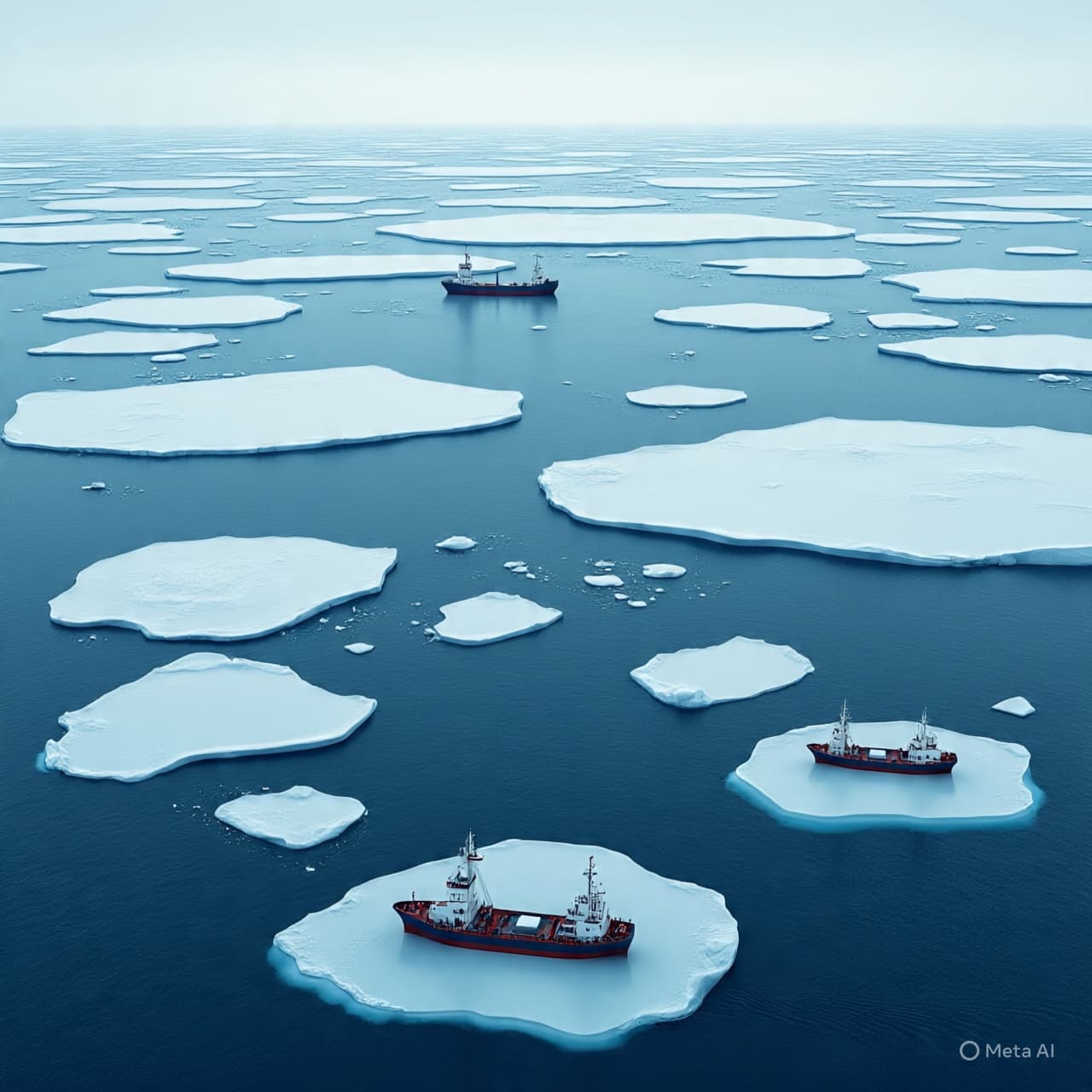
- Climate change is reshaping Arctic shipping routes, enhancing Greenland's importance.
Greenland, often perceived as a remote outpost, is increasingly recognized as a pivotal player in global geopolitics. Its geographical position serves as a bridge between North America and Europe, making it a central hub in the northern Atlantic and the Arctic Ocean. This strategic location has significant implications for military operations and commercial shipping routes, which are becoming more relevant as climate change alters the Arctic landscape.
Historically, Greenland has been a focal point for military strategy, particularly during the Cold War when radar installations were established to monitor potential threats from the Soviet Union. These early-warning systems remain operational today, underscoring the island's ongoing importance in North American defense strategies. The U.S. military base located in Greenland is the northernmost in the country, playing a crucial role in NATO's security framework as tensions rise in the Arctic due to increased Russian military activity and China's growing interest in the region.
As the ice retreats, new shipping routes are emerging, transforming once speculative pathways into viable commercial corridors. The Northwest Passage, along with other Arctic routes, promises to shorten travel times between Asia, Europe, and the Americas. This shift not only enhances Greenland's economic prospects but also positions it as a key player in global trade dynamics, as nations seek to capitalize on these new maritime opportunities.
Moreover, geological surveys indicate that Greenland is rich in rare earth elements and other critical minerals essential for modern technologies, including renewable energy systems and advanced military equipment. Control over these resources is becoming increasingly important in a world where supply chains dictate economic power. As nations vie for influence, Greenland's mineral wealth adds another layer of complexity to its geopolitical significance.
The political landscape surrounding Greenland is equally intricate. While it is part of the Kingdom of Denmark, Greenland has been steadily increasing its autonomy, managing many of its own affairs. This evolving governance structure means that any external interest in the island must navigate both Danish authority and Greenlandic aspirations, complicating the dynamics of influence and control.
Despite its small population and limited infrastructure, Greenland's strategic importance is drawing attention from global leaders who recognize the long-term potential of the region. The interplay of defense, resources, and climate change is reshaping how nations view Greenland, transforming it from a distant land into a focal point of global strategy.
In summary, Greenland's significance extends beyond its physical geography; it embodies the convergence of historical military strategies and contemporary economic realities. As global dynamics shift, the island remains a critical node in the complex web of international relations, poised to play a vital role in the future of geopolitics.
Published by Banx Network. This article is part of the Banx decentralized media programme, powered by the BXE token on the XRP Ledger.



