
Key Highlights
- French ports are investing in green shipping infrastructure to enhance sustainability.
- Shore power systems are being implemented to reduce emissions from docked vessels.
- Digital technologies are improving operational efficiency and cargo management.
[Infrastructure Upgrades for Sustainability]
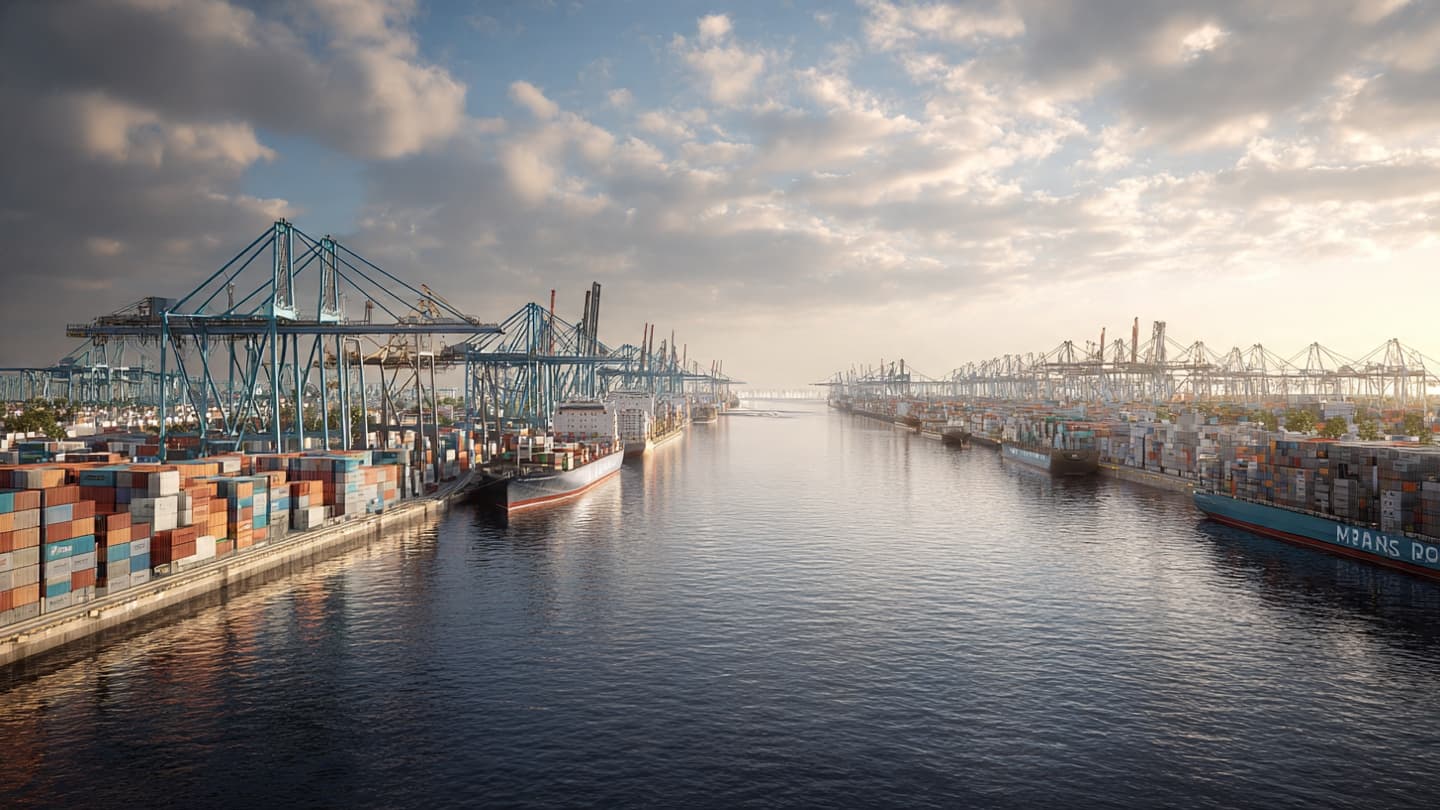
Ports have always served as gateways between nations, facilitating the movement of goods that sustain industries and connect economies across oceans. As environmental priorities gain importance within global trade, ports themselves are evolving. In France, significant investments in green shipping infrastructure are helping prepare maritime facilities for a more sustainable future.
Maritime transportation remains a crucial component of international commerce, with ships moving vast quantities of cargo efficiently across long distances. However, the sector faces growing expectations to reduce emissions and improve environmental performance. French ports are responding to these challenges by introducing infrastructure upgrades designed to support cleaner operations.
One of the key initiatives is the implementation of shore power systems, which allow vessels to connect to electrical grids while docked. This reduces the need to run onboard engines, significantly lowering emissions and improving air quality around port areas. Such systems are becoming increasingly vital as ports strive to meet stricter environmental regulations and community expectations.
In addition to shore power, alternative fuels are another area of focus for port authorities. Investments are being made in facilities capable of supporting emerging maritime energy sources, including low-emission fuels and future propulsion technologies. By preparing infrastructure in advance, ports can facilitate the transition toward cleaner shipping practices, which is essential for meeting global climate goals.
Digital technologies are also playing a critical role in enhancing the efficiency of port operations. Smart logistics systems improve cargo management, optimize vessel scheduling, and reduce congestion. These advancements not only lower fuel consumption but also strengthen supply chain reliability, which is increasingly important in today's fast-paced global economy.
Moreover, environmental monitoring has become more sophisticated, with sensors and data platforms tracking emissions, energy use, and environmental conditions throughout port operations. These tools support informed decision-making and continuous improvement efforts, allowing ports to adapt and respond to environmental challenges effectively.
The economic significance of ports extends far beyond shipping alone. Maritime hubs support employment, industrial activity, logistics services, and regional development. Therefore, investments in modernization generate benefits that reach across multiple sectors of the economy, reinforcing the importance of sustainable practices in maritime operations.
International cooperation is also essential for advancing maritime sustainability. Shipping routes connect countries and continents, making collaboration crucial for establishing standards and encouraging innovation. Many environmental initiatives involve partnerships among governments, industry organizations, and research institutions, highlighting the collective effort required to address global challenges.
Despite the progress, challenges remain as the sector balances operational demands with environmental objectives. Infrastructure projects require significant investment, and technological transitions often involve long planning horizons. Nonetheless, momentum continues to build toward cleaner maritime operations, reflecting a broader transformation occurring throughout global trade.
The modernization of French ports is a testament to the changing landscape of global commerce. Sustainability is increasingly becoming integral to how goods move across the world. At the intersection of commerce and environmental responsibility, ports are helping chart a course toward a greener maritime future.
Published by Banx Network. This article is part of the Banx decentralized media programme, powered by the BXE token on the XRP Ledger.



