
Key Highlights
- Dynagas Exemption:Greece-based Dynagas can transport Russian LNG under new EU sanctions.
- Duration:The exemption lasts for 12 months, with potential for extension.
- Negotiation Outcome:The decision follows a compromise reached by EU diplomats.
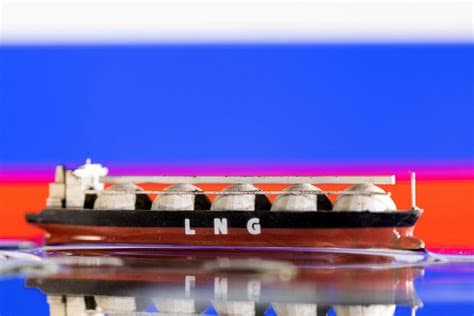
European diplomats have confirmed that Greece-based Dynagas will be permitted to continue transporting Russian liquefied natural gas (LNG) to third countries under the European Union's 21st sanctions package. This exemption is set to last for 12 months and may be extended, depending on future negotiations among EU ambassadors. The decision comes after Greece's government blocked the sanctions package on July 15, citing concerns that a transit ban would adversely affect its shipowner interests.
The compromise reached during discussions reflects the complexities of balancing energy security and geopolitical considerations within the EU. The exemption allows Dynagas to maintain its operations while adhering to the broader sanctions framework aimed at limiting Russia's energy revenues. The EU's decision to cap the volumes of LNG transported at 2025 levels is part of ongoing negotiations regarding wider energy-fuel restrictions that are being considered in response to the ongoing conflict in Ukraine.
Greece's position in these negotiations highlights the country's significant role in the European energy landscape, particularly as a transit hub for LNG. The Greek government has expressed concerns that strict sanctions could undermine its shipping industry, which is a vital component of the national economy. By allowing Dynagas to operate under these exemptions, the EU appears to be acknowledging the delicate balance between enforcing sanctions and supporting member states' economic interests.
The implications of this decision extend beyond just Dynagas and Greece. As the EU continues to navigate its energy policy in the wake of the Russian invasion of Ukraine, the dynamics of energy supply and demand are shifting. The ability of companies like Dynagas to transport Russian LNG may influence market prices and availability for other EU member states, particularly those heavily reliant on Russian energy.
As the situation evolves, stakeholders in the energy sector will be closely monitoring how these exemptions impact the broader sanctions regime and the EU's long-term energy strategy. The ongoing discussions among EU ambassadors will be crucial in determining the future of energy imports from Russia and the overall direction of EU energy policy.
Published by Banx Network. This article is part of the Banx decentralized media programme, powered by the BXE token on the XRP Ledger.



