
Key Highlights
- G7 Summit:Leaders gather to address global challenges.
- Energy Security:Central topic amid supply chain disruptions.
- Climate Policy:Balancing environmental commitments with energy demands.
The world's largest economies often convene during times of uncertainty, and the latest G7 summit was no exception. Held against a backdrop of geopolitical tensions, energy concerns, and shifting economic priorities, the summit brought together leaders seeking common ground on pressing global issues. The discussions were marked by a shared recognition that modern challenges are interconnected, with events in one region capable of influencing communities worldwide.
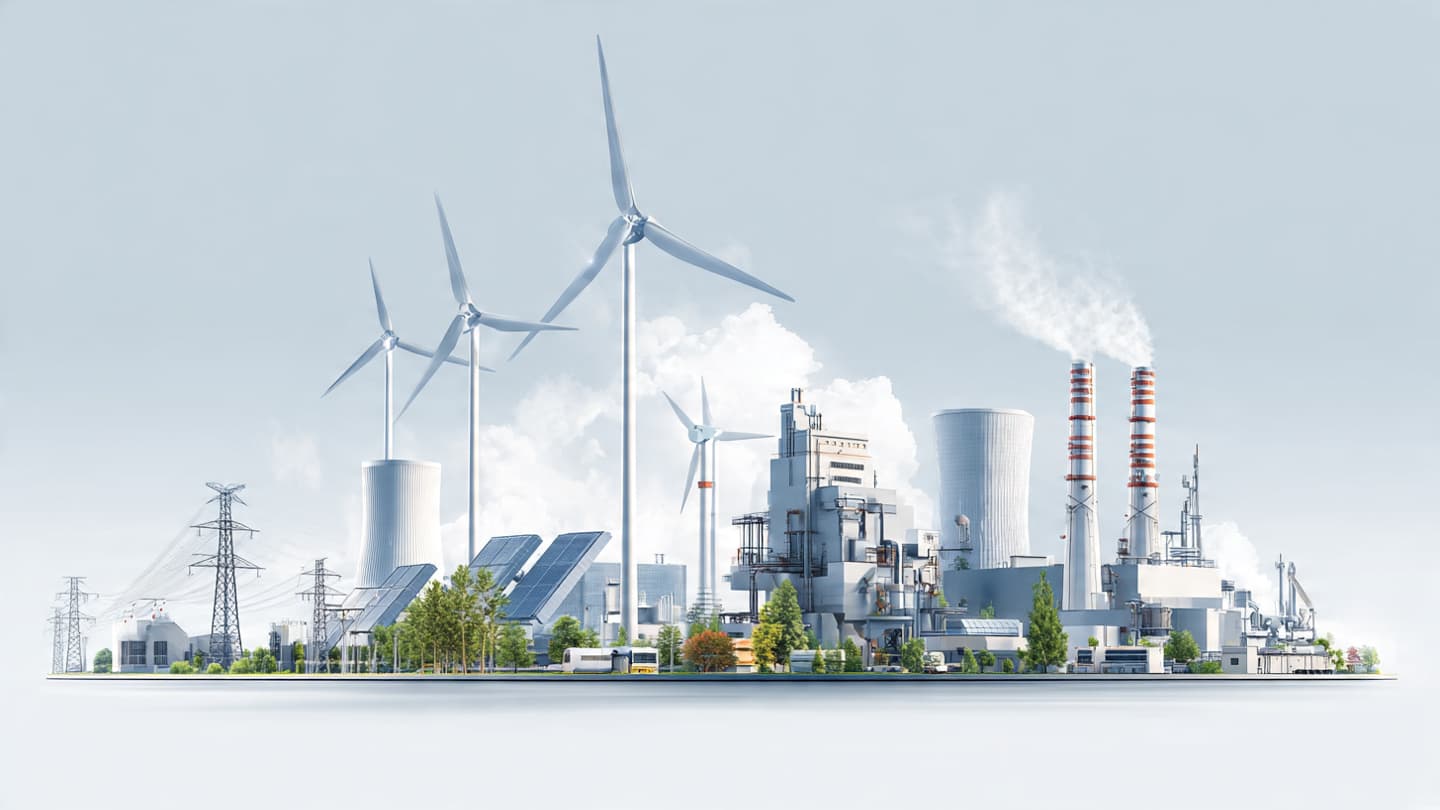
Energy security emerged as a central theme during the summit. Recent global events have underscored how disruptions to supply chains and energy markets can have far-reaching effects on industries, transportation systems, and household budgets. Leaders explored strategies to enhance resilience in energy supply while continuing to invest in cleaner forms of energy. The urgency of this topic reflects the growing awareness of the vulnerabilities in energy systems and the need for sustainable solutions.
Trade and economic cooperation also played a significant role in the discussions. Participants emphasized the importance of maintaining stable supply networks and supporting sustainable economic growth. Strategies for diversifying production and strengthening international partnerships were presented as practical approaches to mitigate future economic risks. The summit highlighted the necessity of collaborative efforts to ensure economic stability in an increasingly unpredictable global landscape.
International security remained a major concern throughout the discussions. Ongoing regional conflicts and evolving geopolitical conditions have prompted allied nations to coordinate more closely. Leaders emphasized the importance of diplomacy while acknowledging the need for preparedness in an uncertain global environment. This focus on security reflects the heightened awareness of the interconnectedness of global threats and the necessity for collective action.
Climate policy formed another significant part of the agenda. Governments examined strategies for balancing environmental commitments with energy demands, seeking solutions that support both economic development and long-term sustainability. The discussions underscored the importance of integrating climate considerations into economic planning, recognizing that environmental health is crucial for future prosperity.
Technology and artificial intelligence added a modern dimension to the summit. Policymakers acknowledged the opportunities presented by digital innovation while discussing the importance of responsible governance and international cooperation in emerging technologies. The rapid advancement of technology poses both challenges and opportunities, necessitating a collaborative approach to ensure that innovations benefit all nations.
Observers note that the true impact of international summits is realized when agreements are translated into actionable policies. Commitments made during meetings require ongoing collaboration and implementation to produce lasting results. The latest G7 gathering reflects an ongoing effort to navigate a changing world through cooperation and dialogue. While differences remain among participating nations, the summit highlighted a shared interest in promoting stability and addressing common challenges together.
Published by Banx Network. This article is part of the Banx decentralized media programme, powered by the BXE token on the XRP Ledger.



