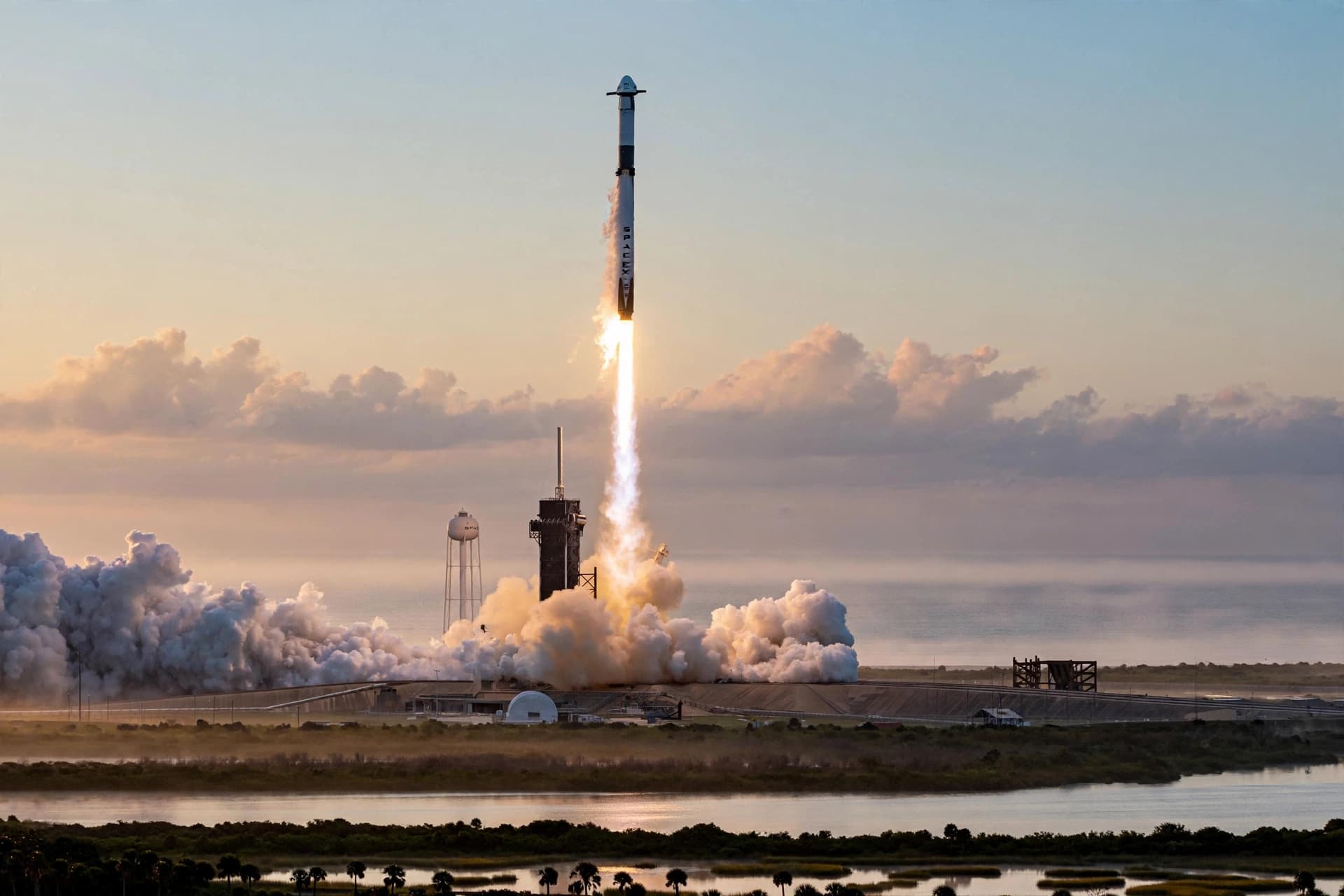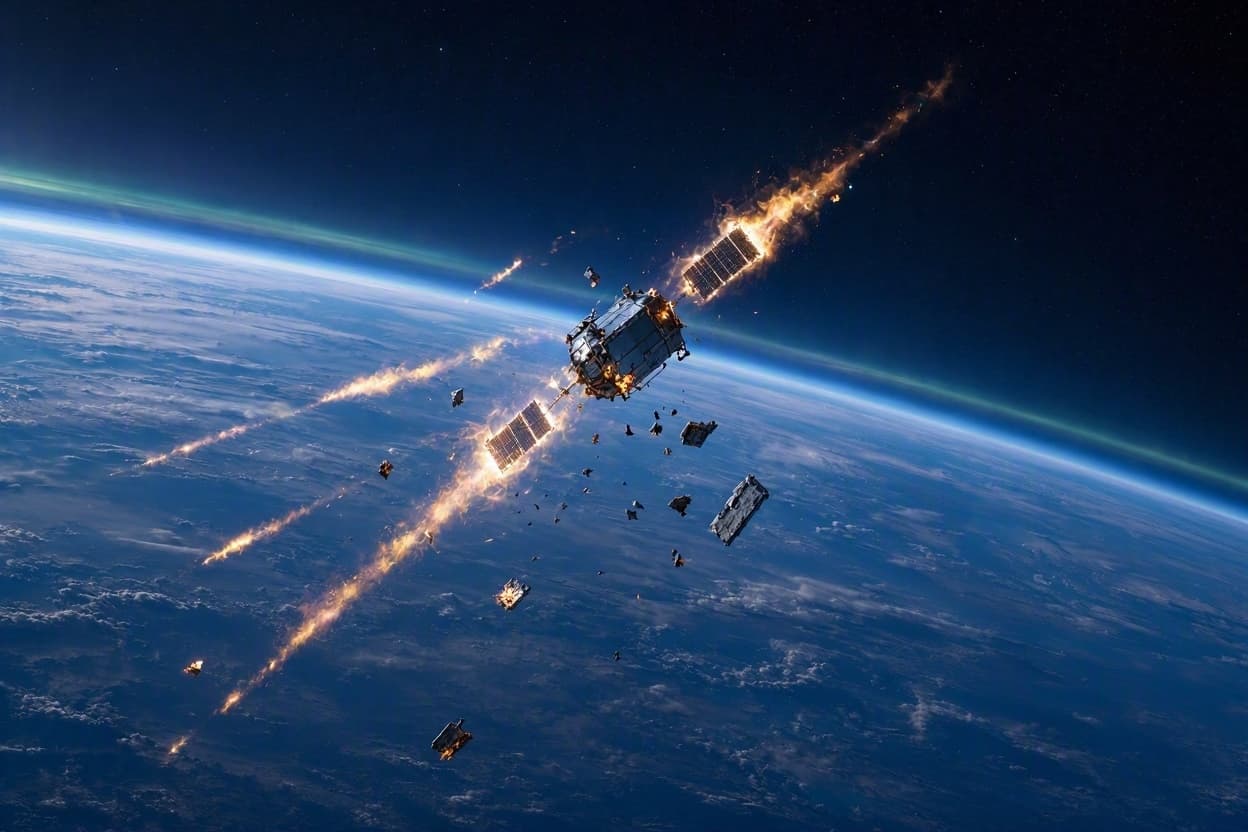
High above the atmosphere, where the silence of space is broken only by the hum of machinery, a loyal servant of science is beginning its final descent. The Neil Gehrels Swift Observatory, once a vigilant eye scanning the cosmos for gamma-ray bursts and cosmic explosions, is now succumbing to the gentle but inexorable pull of Earth’s gravity. With fuel reserves depleted and no means to boost its orbit, the telescope is entering a slow, uncontrolled reentry phase. It is a poignant reminder that even our most advanced instruments are subject to the fundamental laws of physics, and that every mission, no matter how successful, must eventually come to an end.
Launched in 2004, the Swift Observatory has far exceeded its expected lifespan, providing invaluable data on some of the most energetic events in the universe. For two decades, it has helped astronomers understand black holes, neutron stars, and the aftermath of supernovae. Its longevity is a testament to robust engineering and the dedication of the teams who have managed it from the ground. However, drag from the upper atmosphere has gradually lowered its altitude, and without propulsion to counteract this decay, its return to Earth is now inevitable.
NASA has confirmed that there are no remaining resources to alter the telescope’s trajectory or extend its mission. The agency is closely monitoring the spacecraft’s descent, using predictive models to estimate when and where debris might reach the surface. While the majority of the satellite will burn up upon reentry due to intense heat, some components may survive and reach the ground. Officials emphasize that the risk to human life is extremely low, given that most of the planet is covered by water or uninhabited land.
The situation highlights the growing challenge of space debris and the lifecycle of orbital assets. As more satellites are launched, the need for sustainable practices, including planned deorbiting mechanisms, becomes increasingly critical. Swift’s unplanned descent serves as a case study for future missions, underscoring the importance of designing spacecraft with end-of-life scenarios in mind. It is a lesson in responsibility, ensuring that our exploration of space does not leave behind unintended hazards.
For the scientific community, the loss of Swift is felt deeply. It has been a workhorse instrument, often coordinating with other telescopes to provide multi-wavelength observations of transient events. Its absence will leave a gap in rapid-response astronomy, particularly in the detection of gamma-ray bursts, which fade quickly and require immediate attention. Researchers are already looking to newer missions to fill this void, but the unique capabilities of Swift will be missed.
Public interest in the falling telescope has sparked conversations about our relationship with space technology. For many, Swift represents an era of discovery and wonder, a tool that expanded our understanding of the violent and beautiful universe. Its impending demise is not just a technical event but an emotional one, marking the end of a chapter in astronomical history. It invites reflection on the transient nature of human achievements in the vastness of time and space.
As the days pass, the telescope continues its spiral downward, a silent traveler returning home. Scientists continue to extract data until the very last moment, maximizing the value of every orbit. This final phase of operation is a tribute to the spirit of inquiry that drove the mission from the start, ensuring that Swift’s legacy is defined not by its end, but by the knowledge it leaves behind.
The uncontrolled reentry of the Neil Gehrels Swift Observatory marks the conclusion of a highly successful mission. While its physical form will soon be lost to the atmosphere, the scientific contributions it made over twenty years will endure. NASA continues to monitor the situation, prioritizing public safety while honoring the legacy of a telescope that looked deeper into the cosmos than ever before.
AI Image Disclaimer: Please note that any accompanying visuals for this article are AI-generated representations intended for illustrative purposes only.
Sources: NASA Space.com Live Science ABC News The Guardian
Published by Banx Network. This article is part of the Banx decentralized media programme, powered by the BXE token on the XRP Ledger.