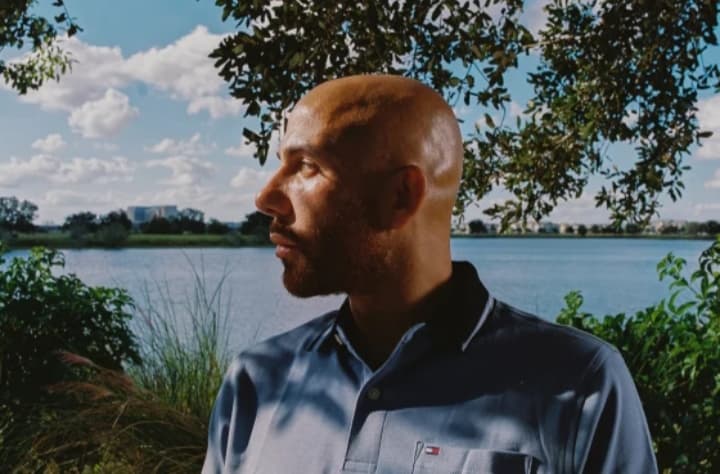
A Grammy-winning gospel singer and pastor has been accused of sexually abusing a young man, leading to severe ramifications within both the music community and the church. The allegations have surfaced in a civil lawsuit, where the plaintiff details incidents that allegedly occurred over several years.
The accuser claims that the abuse took place while he was a member of the pastor's congregation, taking advantage of the trust placed in the pastor's role. The allegations include coercive behavior and manipulation, calling into question the accountability standards within religious organizations.
In response to the allegations, the singer has publicly denied any wrongdoing, asserting that the claims are baseless and intended to tarnish his reputation. However, the gravity of the accusations has prompted discussions about the responsibilities of church leaders in safeguarding their communities and ensuring safe environments for all congregants.
This situation has reignited broader conversations about the intersection of faith, authority, and accountability, particularly in light of similar cases that have surfaced in various religious communities. Advocates for victims of abuse are calling for transparency and reform within religious institutions to better protect vulnerable individuals.
As legal proceedings unfold, the impact of these allegations will likely extend beyond the individual case, influencing how churches manage allegations of misconduct and their approach to safeguarding the well-being of their members. The outcome could serve as a pivotal moment in addressing the complexities of power dynamics within religious settings and promoting a culture of accountability.
Published by Banx Network. This article is part of the Banx decentralized media programme, powered by the BXE token on the XRP Ledger.