
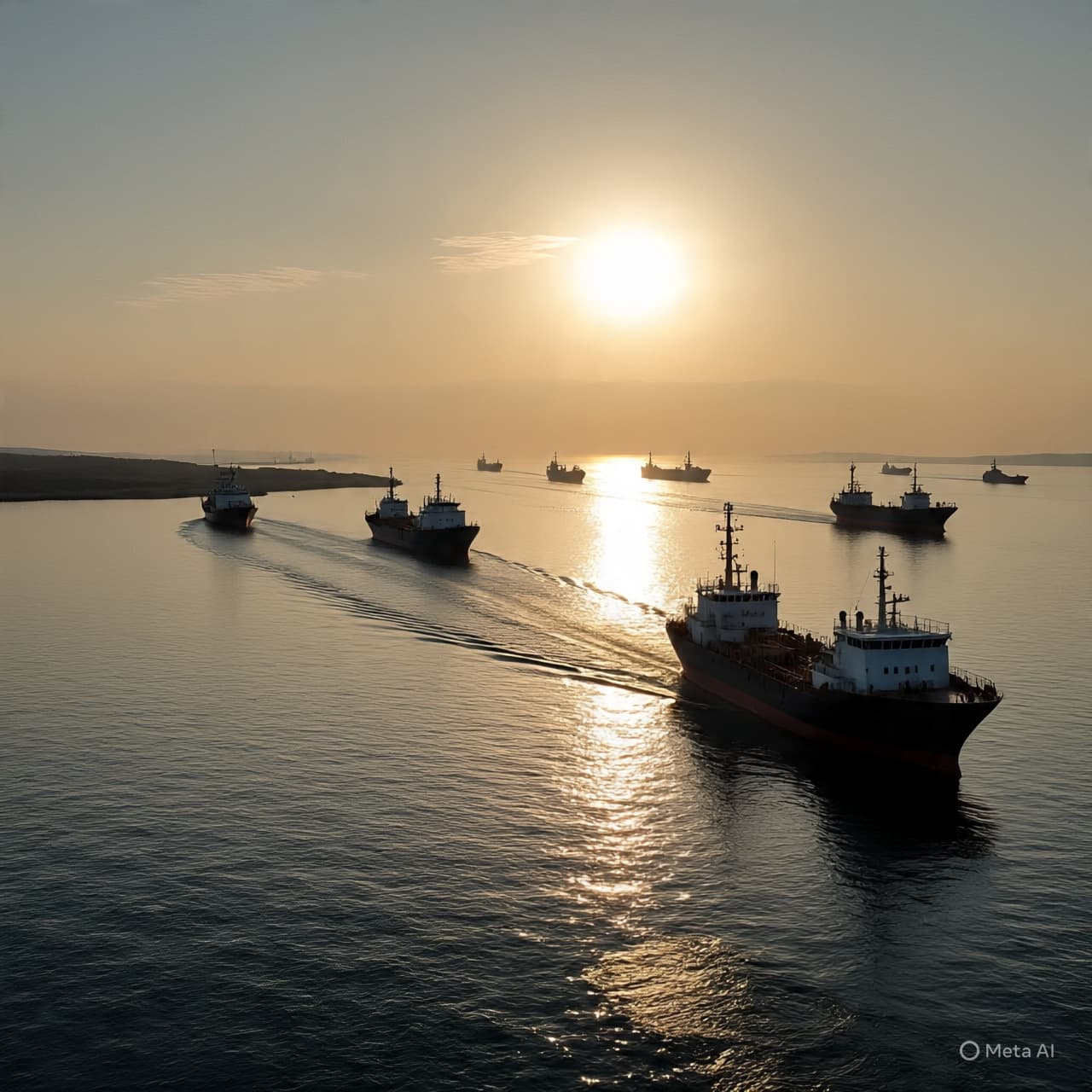
Key Highlights
- Tensions rise over the Strait of Hormuz, a critical maritime route.
- A U.S. military pilot is missing, prompting international search efforts.
- Diplomatic negotiations are underway amid escalating conflict.
The Strait of Hormuz, a vital maritime corridor, has become a focal point of geopolitical tension as nations grapple with the implications of a looming deadline. This narrow passage, through which approximately one-tenth of the world's oil supply flows, is now at the center of urgent diplomatic efforts. With just forty-eight hours to negotiate a resolution, the stakes have never been higher.
In Washington, officials have communicated the urgency of the situation, emphasizing the need for a corridor to ensure the safe passage of tankers. The language used reflects the gravity of the moment, as the world watches closely. The situation is further complicated by the disappearance of a U.S. military pilot, whose aircraft went down in a region fraught with conflict. This incident has sparked a search operation involving multiple forces, highlighting the complexities of military engagement in a volatile landscape.
As the search for the missing pilot unfolds, the rhetoric from Tehran has been equally forceful. Iranian officials have responded to the U.S. demands with a mix of defiance and calls for negotiation, illustrating the delicate balance between diplomacy and the threat of escalation. The region's history of conflict adds layers of complexity to these discussions, as both sides navigate the treacherous waters of international relations.
The search for the pilot has drawn attention to the human cost of geopolitical strife. Local communities have rallied to assist in the search, urging anyone with information to come forward. This grassroots effort serves as a poignant reminder that behind the political maneuvering are real lives at stake, each with their own stories and families waiting for news.
Diplomatic channels are buzzing with activity from Islamabad to Ankara, as intermediaries work tirelessly to broker a ceasefire. The paradox of war and peace is evident in these negotiations; each step toward resolution is shadowed by the memories of past conflicts. The weight of human lives lost in battle hangs heavily over discussions, reminding all parties involved of the stakes at play.
As the sun sets on yet another day of uncertainty, the world holds its breath, waiting for the outcome of the negotiations and the fate of the missing pilot. The Strait of Hormuz remains a symbol of both opportunity and peril, a reminder that the currents of international relations can shift rapidly, often with profound consequences.
Published by Banx Network. This article is part of the Banx decentralized media programme, powered by the BXE token on the XRP Ledger.



